
Custom Vertical Blinds: Complete Guide & Installation Tips
Custom Vertical Blinds: Complete Guide & Installation Tips
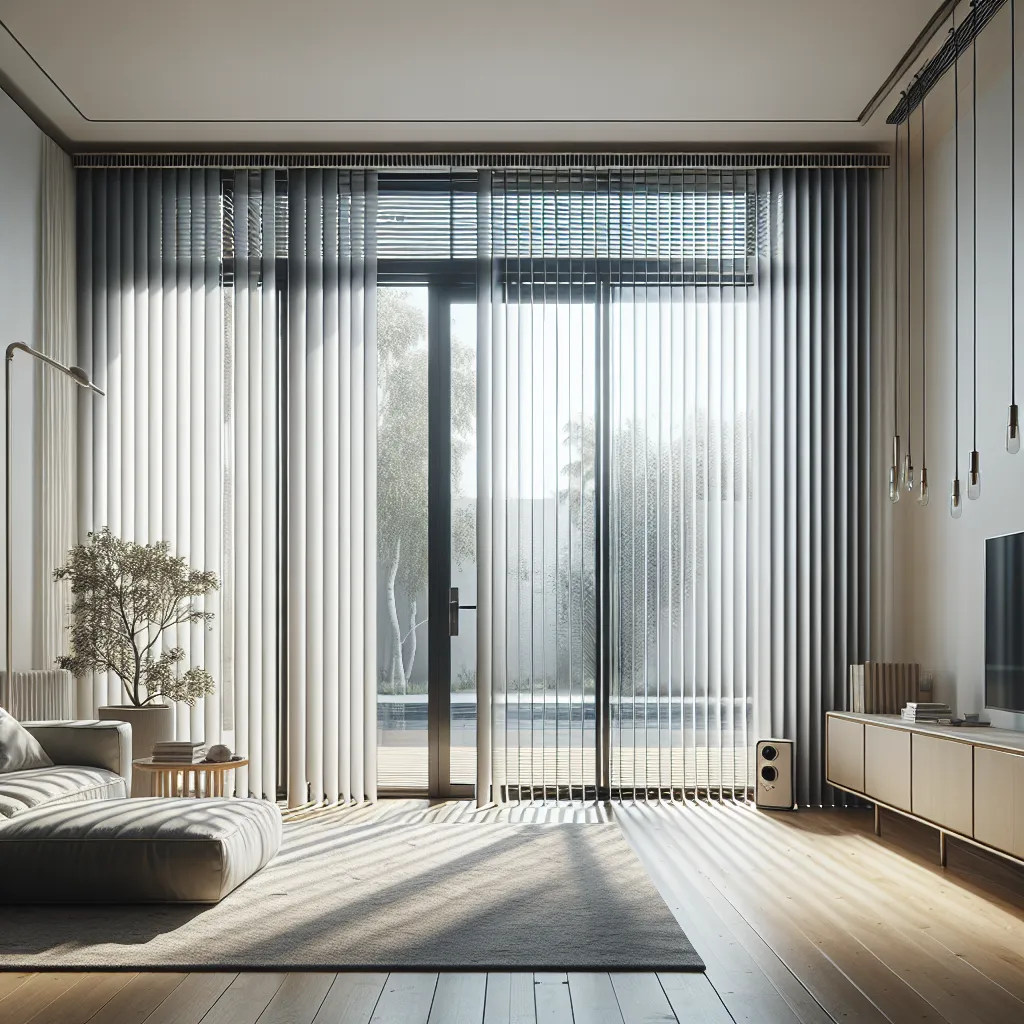
Custom vertical blinds offer the perfect solution for controlling light and privacy while adding a professional, tailored look to any space. Unlike standard off-the-shelf options, custom vertical blinds are precisely measured and manufactured to fit your specific windows, ensuring optimal coverage and functionality. These versatile window treatments work exceptionally well for sliding doors, large windows, and wide openings where traditional horizontal blinds might not be practical. With options ranging from fabric vanes to aluminum slats, custom vertical blinds can complement any décor style while providing superior light control and privacy management.
What Are Custom Vertical Blinds?
Vertical blinds consist of individual slats (called vanes or louvers) that hang vertically from a headrail and can be rotated to control light or drawn to one side for complete window access. Custom vertical blinds are specifically manufactured to your exact window measurements, ensuring a perfect fit that maximizes both functionality and aesthetic appeal.
The key advantage of vertical blinds lies in their versatility. The vanes can be rotated from 0 to 180 degrees, allowing precise light control throughout the day. When fully opened, they stack neatly to one side, providing an unobstructed view and complete window access – particularly beneficial for patio doors and large windows.
Standard vertical blind vane widths typically range from 3.5 inches to 5 inches, with 3.5-inch vanes being most popular for residential applications. The headrail width can accommodate openings from 12 inches to over 240 inches wide, making them suitable for virtually any window size.
Benefits of Choosing Custom Vertical Blinds
Perfect Fit and Coverage
Custom vertical blinds eliminate the gaps and uneven coverage common with standard-sized blinds. Professional measurement ensures the headrail extends appropriately beyond the window frame, typically 2-4 inches on each side for inside mount installations, providing complete light blockage when closed.
Superior Light Control
The vertical orientation of the slats makes these blinds particularly effective at blocking harsh afternoon sun. Studies show that properly fitted vertical blinds can reduce solar heat gain by up to 77%, significantly improving energy efficiency and comfort.
Durability and Longevity
Custom vertical blinds are built with higher-quality components than mass-produced alternatives. Premium headrails feature smooth-operating gear mechanisms rated for over 10,000 cycles, while reinforced vanes resist warping and fading even in high-humidity environments.
Design Flexibility
With custom options, you can choose from hundreds of colors, patterns, and textures. Popular materials include:
- Fabric vanes: Offer the widest selection of colors and patterns
- Vinyl vanes: Provide durability and moisture resistance
- Aluminum vanes: Deliver a sleek, modern appearance
- Wood composite vanes: Combine natural aesthetics with enhanced durability
Custom Vertical Blinds vs. Other Window Treatments
Vertical Blinds vs. Horizontal Blinds
While horizontal blinds like wood blinds and aluminum blinds work well for standard windows, vertical blinds excel in specific applications. For windows wider than 72 inches, vertical blinds provide better structural support and smoother operation. The vertical slat orientation also makes them easier to clean and maintain.
Vertical Blinds vs. Roller Shades
Roller shades offer a clean, minimalist look but lack the precise light control of vertical blinds. While cellular shades provide excellent insulation, they don't offer the same level of adjustability for light filtering throughout the day.
Cost Comparison
Custom vertical blinds typically cost 20-40% less than motorized roller shades or premium wood blinds while offering comparable functionality. The average cost ranges from $3-8 per square foot, depending on material and features.
Materials and Styles for Custom Vertical Blinds
Fabric Vertical Blinds
Fabric vanes offer the most design versatility, with options including:
- Light-filtering fabrics: Allow soft light while maintaining privacy
- Blackout fabrics: Block up to 99% of incoming light
- Textured weaves: Add visual interest and depth
- Pattern options: From subtle geometrics to bold florals
Fabric vertical blinds work exceptionally well in living rooms and bedrooms where ambiance is important. Many custom options include stain-resistant treatments that make maintenance easier.
Vinyl and PVC Vertical Blinds
Vinyl vanes excel in moisture-prone areas like bathrooms and kitchens. Modern vinyl options feature:
- UV-resistant formulations: Prevent fading and brittleness
- Embossed textures: Mimic natural materials like wood or linen
- Antimicrobial treatments: Resist mold and mildew growth
Aluminum Vertical Blinds
Aluminum vanes provide a contemporary look ideal for offices and modern homes. Benefits include:
- Lightweight construction: Reduces wear on operating mechanisms
- Powder-coat finishes: Resist scratching and corrosion
- Consistent slat alignment: Maintains appearance over time
How to Measure for Custom Vertical Blinds
Proper measurement is crucial for custom vertical blinds. Here's a step-by-step guide:
Inside Mount Measurements
Width: Measure the inside width of the window frame at three points (top, middle, bottom). Use the narrowest measurement.
Height: Measure from the top of the frame to the sill at three points (left, center, right). Use the longest measurement.
Depth: Ensure at least 2 inches of depth for proper headrail mounting.
Outside Mount Measurements
Width: Measure the desired coverage area, typically extending 2-4 inches beyond the frame on each side.
Height: Measure from the mounting point to the desired bottom position, usually 1/2 inch above the floor for floor-length applications.
Professional Measurement Services
Many retailers offer professional measurement services for $50-100, often credited toward purchase. This ensures accuracy and typically includes installation consultation.
Installation Process for Custom Vertical Blinds
Tools Required
- Drill with appropriate bits
- Level (at least 24 inches)
- Measuring tape
- Screwdriver
- Pencil for marking
- Safety glasses
Step-by-Step Installation
Mark mounting points: Use the provided template to mark screw locations, ensuring the headrail will be level.
Install mounting brackets: Drill pilot holes and secure brackets with provided screws. Check that brackets are level and properly aligned.
Mount the headrail: Snap or slide the headrail into the mounted brackets according to manufacturer instructions.
Attach vanes: Insert vanes into the carriers, ensuring proper spacing and alignment.
Install chain controls: Attach the control chain and wand, positioning them for convenient operation.
Test operation: Verify smooth tilting and drawing functions before final adjustments.
For complex installations or very large blinds, professional installation is recommended and typically costs $100-200 per window.
Cost Factors for Custom Vertical Blinds
How Expensive Are Custom Made Blinds?
Custom vertical blind costs vary significantly based on several factors:
Size Impact:
- Small windows (under 36" wide): $75-200
- Standard windows (36-72" wide): $150-400
- Large windows/doors (72"+ wide): $300-800
Material Costs:
- Basic vinyl: $3-5 per square foot
- Mid-grade fabric: $5-7 per square foot
- Premium materials: $7-12 per square foot
Additional Features:
- Motorization adds $200-500 per window
- Specialty fabrics increase costs by 25-50%
- Custom valances add $50-150
Value Proposition
While custom vertical blinds cost more upfront than ready-made options, they typically last 3-5 times longer and provide better performance. The improved fit and quality often result in better cost-per-year value.
When you're ready to explore premium options, you can shop custom blinds at SmartBlindsPro.com for professional-grade vertical blinds with competitive pricing.
Maintenance and Care Tips
Regular Cleaning
Weekly dusting: Use a microfiber cloth or vacuum brush attachment to remove surface dust.
Monthly deep cleaning: For fabric vanes, use appropriate fabric cleaner. Vinyl and aluminum vanes can be wiped with mild soap solution.
Annual inspection: Check for loose components, worn cords, or damaged vanes.
Extending Lifespan
- Rotate vanes gently to avoid stress on the mechanism
- Keep control chains untangled
- Address minor repairs promptly to prevent major issues
- Consider professional cleaning for valuable fabric vanes
Properly maintained custom vertical blinds can last 15-20 years, significantly longer than standard alternatives.
Customization Options and Features
Operating Systems
Cord and Chain Control: Traditional system offering reliable operation and easy replacement of components.
Wand Control: Eliminates dangling cords for child safety while providing smooth operation.
Motorized Options: Remote or smart home integration for ultimate convenience, particularly beneficial for large or hard-to-reach windows.
Specialty Features
- Curved headrails: Accommodate bow windows and unique architectural features
- Split-draw operation: Allows vanes to open from center or stack to either side
- Coordinating valances: Conceal the headrail for a finished appearance
- Child safety features: Cordless operation or tension devices for cord control
Can a Vertical Blind Be Cut to Size?
While some basic vinyl vertical blinds can be trimmed, it's generally not recommended for several reasons:
Structural Integrity: Cutting vanes can compromise their stability and appearance. The reinforced edges of custom-made vanes ensure proper hanging and longevity.
Warranty Concerns: Modifying blinds typically voids manufacturer warranties, potentially leaving you without coverage for defects or premature wear.
Professional Results: Custom manufacturing ensures clean, finished edges and proper proportions. DIY cutting often results in frayed edges, uneven lengths, or compromised functionality.
Cost Consideration: The modest additional cost of custom sizing versus potential replacement costs makes professional customization the wiser choice.
For the best results and long-term satisfaction, invest in properly sized custom vertical blinds rather than attempting modifications.
Smart Home Integration
Modern custom vertical blinds can integrate seamlessly with smart home systems:
Compatible Systems
- Amazon Alexa
- Google Assistant
- Apple HomeKit
- Samsung SmartThings
Automation Benefits
- Schedule-based operation: Automatic opening/closing based on time
- Light sensors: Adjust based on natural light levels
- Temperature control: Coordinate with HVAC systems for energy efficiency
- Security integration: Simulate occupancy when away
Choosing the Right Retailer
When selecting custom vertical blinds, consider:
Quality Indicators
- Manufacturer warranties of 3+ years
- Professional measurement services
- Installation support or services
- Responsive customer service
- Physical samples for material evaluation
Red Flags
- Pressure sales tactics
- No warranty information
- Unusually low prices (often indicate poor quality)
- Limited material options
- No measurement verification process
For a comprehensive selection of quality options, you can browse our collection at SmartBlindsPro.com or explore additional choices at Shade and Blinds.
Energy Efficiency and Environmental Impact
Energy Savings
Custom vertical blinds can significantly impact your home's energy efficiency:
- Summer cooling: Properly positioned vertical blinds can reduce cooling costs by 15-25%
- Winter heating: Closed blinds provide an additional insulation layer, reducing heat loss
- UV protection: Protects furniture and flooring from fading, extending their lifespan
Environmental Considerations
Many custom vertical blind manufacturers now offer:
- Recycled materials: Vanes made from post-consumer recycled content
- Sustainable manufacturing: Reduced waste production processes
- Recyclable components: End-of-life recycling programs
- Energy-efficient production: Solar-powered manufacturing facilities
Troubleshooting Common Issues
Uneven Vane Hanging
- Check for bent or damaged carriers
- Ensure vanes are properly inserted in carriers
- Verify headrail is level and securely mounted
Difficult Operation
- Lubricate moving parts with appropriate spray lubricant
- Check for obstructions in the headrail track
- Ensure control chains aren't tangled or damaged
Vane Damage
- Individual vanes can typically be replaced without replacing entire blind
- Keep spare vanes for quick repairs
- Address damage promptly to prevent further issues
Conclusion
Custom vertical blinds represent an excellent investment for homeowners seeking precise light control, privacy, and style. Their versatility makes them suitable for various applications, from patio doors to office buildings. While the initial cost exceeds ready-made alternatives, the superior fit, quality, and longevity provide excellent long-term value.
The key to success with custom vertical blinds lies in proper measurement, quality material selection, and professional installation when needed. With proper care and maintenance, these window treatments can provide decades of reliable service while enhancing your home's appearance and energy efficiency.
Ready to upgrade your windows? Shop premium custom blinds and shades at SmartBlindsPro.com for expert guidance and quality products that will transform your space.