
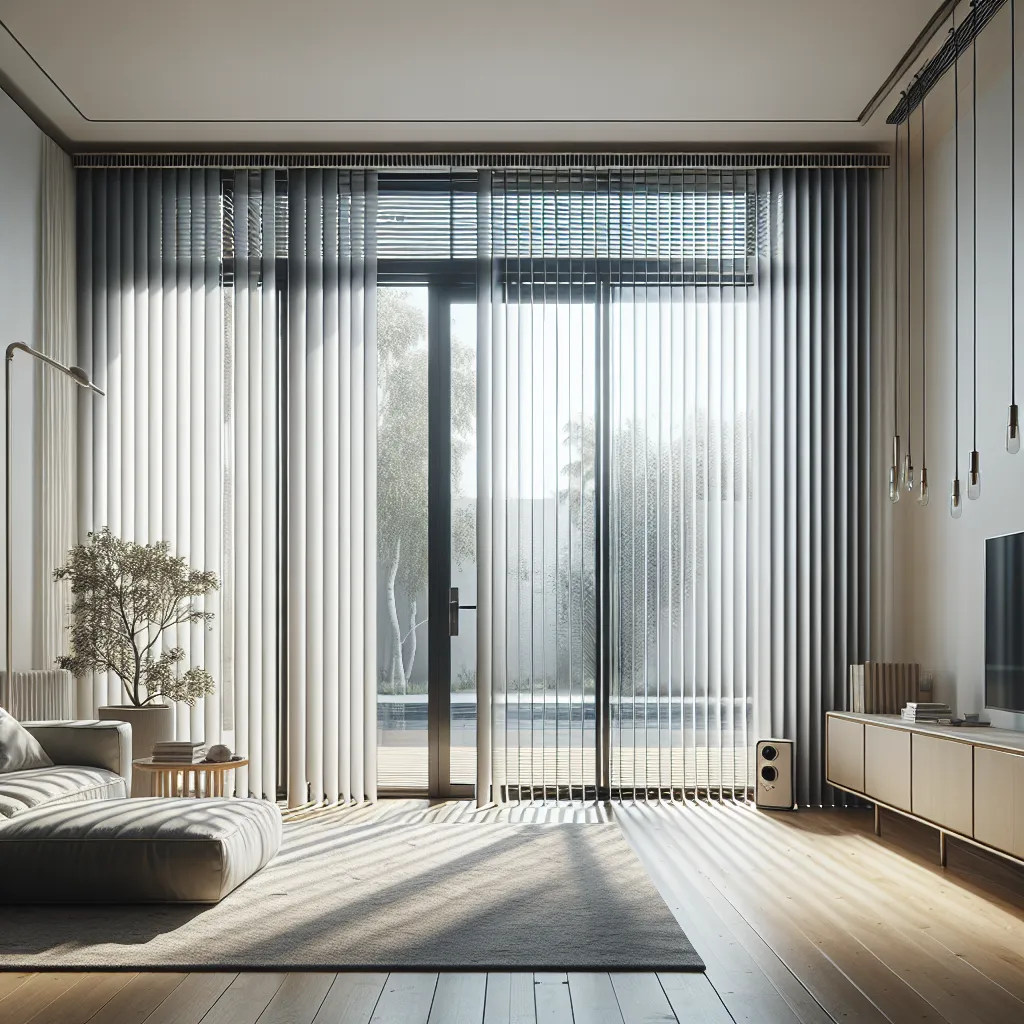
How to Choose Vertical Blinds: Complete Guide 2026
How to Choose Vertical Blinds: The Complete Homeowner's Guide
Choosing the right vertical blinds can transform your space while providing excellent light control and privacy. Whether you're covering large windows, patio doors, or sliding glass doors, vertical blinds offer practical functionality and modern aesthetics. The key factors to consider include material type, slat width, mounting options, and room-specific requirements. With vertical blinds accounting for approximately 35% of all window treatment sales in commercial spaces and growing popularity in residential settings, understanding your options ensures you'll make an informed decision that enhances both form and function.
Understanding Vertical Blinds: What Makes Them Special
Vertical blinds consist of individual slats (also called vanes or louvers) that hang vertically from a track system. Unlike horizontal blinds that stack up and down, vertical blinds draw to one or both sides of the window, making them ideal for wide openings.
Key Advantages of Vertical Blinds
- Perfect for large openings: Handle spans up to 20 feet wide
- Superior light control: Rotate slats 180 degrees for precise lighting
- Easy operation: Simple cord or wand control systems
- Space-efficient: Stack compactly to one side when fully opened
- Versatile mounting: Install inside or outside the window frame
Vertical blinds work exceptionally well in contemporary and minimalist design schemes, offering clean lines that complement modern architecture.
Choosing the Right Material for Your Vertical Blinds
The material you choose significantly impacts durability, maintenance, and aesthetic appeal. Each option offers distinct advantages depending on your specific needs.
Fabric Vertical Blinds
Fabric vanes provide the softest appearance and widest range of colors and patterns. They're available in light-filtering and room-darkening options, with some featuring UV-resistant treatments.
Best for: Living rooms, bedrooms, and offices where aesthetics are priority Maintenance: Regular dusting; some fabrics are machine washable Price range: $2-8 per square foot
PVC and Vinyl Vertical Blinds
These synthetic materials offer excellent moisture resistance and easy cleaning. Modern PVC blinds feature improved flexibility and reduced cracking compared to older versions.
Best for: Kitchens, bathrooms, and high-humidity areas Maintenance: Wipe clean with damp cloth Price range: $1.50-4 per square foot
Aluminum Vertical Blinds
Lightweight yet durable, aluminum vertical blinds resist warping and provide excellent light control. They're available in numerous colors and finishes, including wood-grain textures.
Best for: Commercial spaces, modern homes, and budget-conscious projects Maintenance: Easy wipe-clean surface Price range: $2-6 per square foot
Wood and Faux Wood Vertical Blinds
Real wood offers natural beauty but requires careful maintenance. Faux wood alternatives provide similar aesthetics with enhanced durability and moisture resistance.
Best for: Traditional décor, dining rooms, and dry climates Maintenance: Dust regularly; avoid moisture exposure for real wood Price range: $4-12 per square foot
Measuring and Sizing: Getting the Perfect Fit
Proper measurement ensures optimal function and appearance. Vertical blinds can be mounted inside the window frame (inside mount) or on the wall or trim (outside mount).
Inside Mount Measurements
- Width: Measure the inside width at top, middle, and bottom. Use the narrowest measurement
- Height: Measure from top of frame to sill at left, center, and right. Use the longest measurement
- Depth: Ensure at least 2 inches of depth for proper bracket installation
Outside Mount Measurements
- Width: Add 3-6 inches to window width for optimal coverage
- Height: Add 3-4 inches above the window and extend to desired length
- Consider obstacles: Account for handles, cranks, or architectural features
Standard Slat Widths
Vertical blind slats typically come in three widths:
- 3.5 inches: Most common, suitable for most applications
- 4.5 inches: Provides more coverage with fewer slats
- 5 inches: Premium option for maximum coverage and modern look
Wider slats create a more streamlined appearance but may not suit smaller windows where the proportions could appear overwhelming.
Choosing Vertical Blinds for Large Windows and Patio Doors
Large openings present unique challenges and opportunities when selecting vertical blinds. Windows spanning 8-20 feet wide require special consideration for both functionality and aesthetics.
Weight Distribution Considerations
For expanses wider than 12 feet, consider splitting the installation into two sections with a center support bracket. This prevents sagging and ensures smooth operation over time.
Track Quality Matters
Invest in heavy-duty tracks rated for your blind's weight. Commercial-grade tracks feature:
- Reinforced mounting brackets
- Ball-bearing carriers for smooth operation
- Adjustable end caps for perfect alignment
Motor Options for Large Installations
Motorized vertical blinds become increasingly practical for openings over 10 feet wide. Battery-powered and hardwired options eliminate the effort required to operate large, heavy blinds manually.
To explore premium options for large installations, you can shop custom blinds at SmartBlindsPro.com where you'll find heavy-duty systems designed for oversized openings.
Light Control and Privacy Options
Vertical blinds excel at providing flexible light control throughout the day. Understanding the different opacity levels helps you choose the right option for each room.
Light-Filtering Options
Sheer fabrics allow maximum light while maintaining daytime privacy. They're ideal for living areas where natural light is prioritized.
Semi-opaque materials provide moderate light filtering while obscuring clear views into your space.
Room-Darkening and Blackout Options
For bedrooms and media rooms, consider:
- Room-darkening fabrics: Block 85-95% of light
- Blackout materials: Block 99% of light when properly installed
- Layered systems: Combine light-filtering and blackout options
Color Selection: Should Blinds Be Darker or Lighter Than Walls?
Color choice significantly impacts your room's overall aesthetic and perceived size. The relationship between blind color and wall color creates different visual effects.
Lighter Than Walls
Choosing blinds lighter than your walls:
- Makes windows appear larger
- Creates an airy, spacious feeling
- Works well in small rooms
- Complements bold or dark wall colors
Darker Than Walls
Choosing blinds darker than your walls:
- Creates dramatic contrast and definition
- Makes the window treatment a focal point
- Works well in large rooms with high ceilings
- Provides better privacy when closed
Matching Wall Color
Matching blinds to wall color:
- Creates seamless, minimalist appearance
- Makes rooms appear larger and more cohesive
- Works well with architectural window treatments like valances
Current Trends
Neutral colors dominate current preferences, with white, beige, and gray accounting for approximately 70% of residential vertical blind sales. These versatile colors complement changing décor and maintain broad appeal.
What Are the Best Types of Vertical Blinds?
The "best" vertical blind depends entirely on your specific needs, but certain types consistently receive high ratings for quality and performance.
Top-Performing Options
For durability: Aluminum with baked-on finishes resist fading and maintain their appearance for 10-15 years.
For style: Fabric blinds with designer patterns offer unlimited customization options.
For easy maintenance: PVC blinds with antimicrobial treatments resist stains and odors.
For natural beauty: Bamboo and woven wood vertical blinds provide texture and organic appeal.
Premium Features to Consider
- Curved vanes: Provide better closure and light control
- Floating louvers: Create contemporary appearance without visible holes
- Coordinating valances: Hide track hardware for finished look
- Motorization options: Add convenience and smart home integration
Installation Considerations and Options
Proper installation ensures years of trouble-free operation. While many homeowners can handle basic installations, complex situations may require professional help.
DIY Installation Requirements
- Basic tool requirements: Drill, level, measuring tape, screwdriver
- Wall anchor knowledge for drywall installations
- Understanding of bracket types and spacing requirements
- Ability to cut vanes to proper length if needed
When to Hire Professionals
- Windows over 10 feet wide requiring center supports
- Motorized blind installations requiring electrical work
- Unusual window shapes or architectural challenges
- Historical homes with delicate trim work
Maintenance and Longevity Tips
Proper maintenance extends the life of vertical blinds significantly. Most quality vertical blinds should last 7-12 years with appropriate care.
Regular Maintenance Schedule
Weekly: Light dusting of slats and track Monthly: Vacuum both sides of fabric vanes with brush attachment Quarterly: Deep clean track channels and lubricate moving parts Annually: Professional cleaning for fabric blinds in high-traffic areas
Common Issues and Solutions
Slats won't rotate: Check for debris in track channels or bent carrier stems Uneven hanging: Adjust carrier positions or replace worn carriers Difficult operation: Lubricate tracks and inspect cord systems for wear
Cost Considerations and Budget Planning
Vertical blind costs vary significantly based on materials, size, and features. Understanding the price ranges helps you budget appropriately.
Budget Breakdown by Category
Basic PVC blinds: $50-150 for standard windows Mid-range fabric options: $100-300 per window Premium materials: $200-600 per window Motorized systems: Add $200-500 per window
Cost-Saving Strategies
- Measure carefully to avoid remake fees
- Consider standard sizes over custom measurements
- Purchase multiple blinds together for volume discounts
- Compare installation costs versus DIY savings
For competitive pricing on quality vertical blinds, browse our collection at SmartBlindsPro.com or explore additional options at Shade and Blinds.
Room-Specific Recommendations
Different rooms have unique requirements that influence the best vertical blind choice.
Living Rooms and Family Rooms
- Prioritize aesthetics with fabric or faux wood options
- Consider light-filtering materials for daytime privacy
- Choose wider slats for contemporary appeal
- Add coordinating valances for finished appearance
Bedrooms
- Select room-darkening or blackout materials
- Consider quiet operation features for peaceful environments
- Choose colors that complement bedding and décor
- Motorization adds convenience for hard-to-reach windows
Kitchens and Bathrooms
- Use moisture-resistant PVC or aluminum materials
- Select easy-clean surfaces that resist grease and humidity
- Choose lighter colors to maximize natural light
- Ensure proper ventilation to prevent moisture buildup
Home Offices
- Prioritize glare control with adjustable light-filtering options
- Consider cordless operation for safety and cleaner appearance
- Choose neutral colors that won't distract from work
- Add motorization for easy adjustment throughout the day
Smart Home Integration and Modern Features
Technology integration becomes increasingly important in modern window treatments. Smart vertical blinds offer convenience and energy efficiency benefits.
Motorization Options
Battery-powered systems: Easy retrofit installation without electrical work Hardwired motors: Reliable power for large or frequently used blinds Solar charging options: Eco-friendly power for moderate-use applications
Smart Home Compatibility
- Voice control through Alexa, Google Assistant, or Siri
- Smartphone apps for remote operation
- Integration with home automation systems
- Scheduling capabilities for automatic operation
Energy Efficiency Benefits
Automated vertical blinds can reduce energy costs by:
- Automatically adjusting based on sun position
- Maximizing natural heating in winter
- Blocking heat gain in summer
- Maintaining consistent indoor temperatures
Making Your Final Decision
After considering all factors, prioritize your most important requirements. Create a decision matrix weighing:
- Budget constraints: What's your total investment comfort level?
- Aesthetic preferences: What style complements your décor?
- Functional needs: What's your primary goal—privacy, light control, or energy efficiency?
- Maintenance willingness: How much upkeep are you prepared to handle?
- Longevity expectations: How long do you plan to keep these blinds?
Final Recommendations
For most homeowners, mid-range fabric vertical blinds with light-filtering properties provide the best balance of aesthetics, functionality, and value. They offer sufficient durability for residential use while providing the style flexibility most people desire.
For high-moisture areas, PVC vertical blinds with antimicrobial treatments provide practical benefits that outweigh aesthetic compromises.
For large installations or smart home enthusiasts, investing in motorized systems with quality tracks justifies the additional cost through improved convenience and longevity.
Ready to upgrade your windows? Shop premium custom blinds and shades at SmartBlindsPro.com for professional-quality products and expert guidance to ensure your vertical blind selection perfectly meets your needs.


