
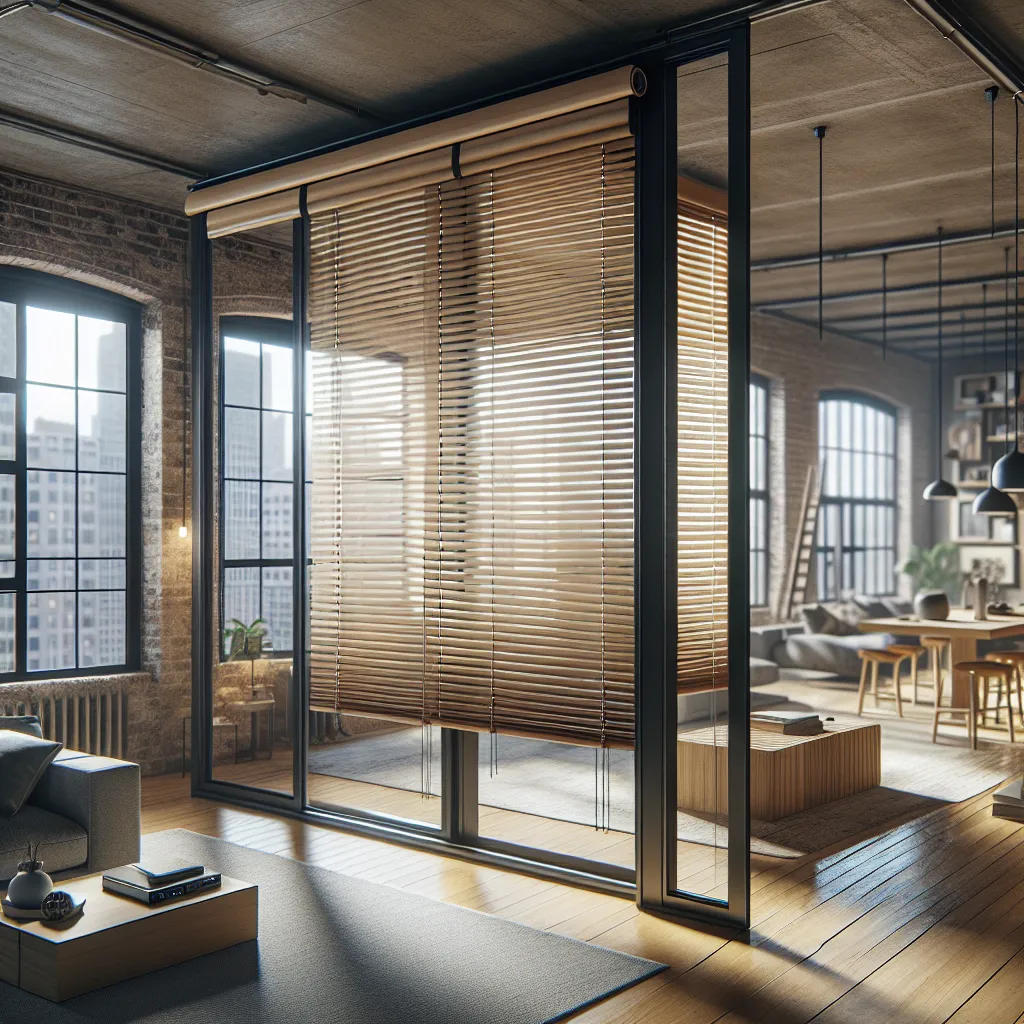
Motorized Blinds: Complete Guide to Smart Window Treatments
Motorized Blinds: The Ultimate Guide to Smart Window Treatments
Motorized blinds represent the pinnacle of modern window treatment technology, offering unparalleled convenience, energy efficiency, and style. These automated window coverings allow you to control light, privacy, and ambiance with the touch of a button, voice command, or smartphone app. Whether you're considering cellular shades, roller blinds, or wood blinds, motorized options can transform any room into a smart, comfortable living space. With prices ranging from $200-$800 per window and potential energy savings of 15-25%, motorized blinds are becoming an increasingly popular choice for homeowners seeking both luxury and functionality.
What Are Motorized Blinds?
Motorized blinds are window treatments equipped with electric motors that automatically raise, lower, and adjust the slats or fabric without manual operation. These smart window coverings integrate seamlessly with home automation systems, smartphone apps, and voice assistants like Alexa or Google Home.
Key Components of Motorized Blinds
- Electric Motor: Typically battery-powered or hardwired, providing smooth operation
- Control System: Remote controls, wall switches, or app-based interfaces
- Sensors: Optional light and temperature sensors for automated adjustments
- Integration Hub: Connects to smart home systems like SmartThings or Hubitat
Types of Motorized Window Treatments
Motorized Cellular Shades
Cellular shades offer excellent insulation properties with R-values ranging from 2.0 to 5.0, making them ideal for energy-conscious homeowners. When motorized, these honeycomb-structured treatments can automatically adjust throughout the day to optimize temperature control.
Benefits:
- Superior insulation (up to 40% energy savings)
- Light filtering and room darkening options
- Cordless safety for children and pets
- Quiet operation (typically under 45 decibels)
Motorized Roller Shades
Roller shades provide sleek, minimalist aesthetics while offering precise light control. Motorized versions can be programmed to specific positions, allowing for optimal glare reduction and privacy.
Popular Fabric Options:
- Blackout fabrics (99% light blocking)
- Solar screens (1-14% openness factors)
- Natural materials like bamboo and linen
- Smart fabrics that adjust opacity based on light levels
Motorized Wood Blinds
Traditional wood blinds enhanced with modern automation technology offer timeless elegance with contemporary convenience. Premium hardwoods like basswood and cedar provide durability and natural beauty.
Slat Size Options:
- 1-inch slats for smaller windows
- 2-inch slats for standard applications
- 2.5-inch slats for maximum light control
How Much Do Motorized Blinds Cost?
The cost of motorized blinds varies significantly based on size, material, and features:
Price Ranges by Type
- Basic Motorized Roller Shades: $200-$400 per window
- Mid-Range Cellular Shades: $300-$600 per window
- Premium Wood Blinds: $500-$800 per window
- Smart Integration Systems: $100-$300 additional
Cost Factors
- Window Size: Standard 36"x60" windows cost 20-30% less than custom sizes
- Motor Type: Battery-powered motors cost $50-100 less than hardwired options
- Material Quality: Premium fabrics and hardwoods increase costs by 25-50%
- Smart Features: Voice control and sensors add $75-150 per window
- Installation: Professional installation ranges from $100-$200 per window
To explore competitive pricing and find the perfect motorized solution for your home, shop custom blinds at SmartBlindsPro.com, where you'll discover extensive customization options and professional-grade products.
Are Motorized Blinds Really Worth It?
Energy Efficiency Benefits
Motorized blinds can significantly impact your home's energy consumption:
- Heating Savings: Up to 25% reduction in winter heating costs
- Cooling Savings: 15-20% decrease in summer cooling expenses
- Smart Scheduling: Automated adjustments optimize natural light and temperature
- ROI Timeline: Most homeowners see payback within 3-5 years
Convenience and Lifestyle Advantages
Daily Convenience:
- Morning routines simplified with sunrise automation
- Evening privacy activated automatically
- Vacation settings for security and plant care
- Hard-to-reach window accessibility
Smart Home Integration:
- Voice commands: "Alexa, close the bedroom blinds"
- Geofencing: Blinds adjust when you arrive home
- Weather response: Automatic closure during storms
- Security features: Random opening/closing when away
Health and Wellness Benefits
- Circadian Rhythm Support: Gradual morning light exposure
- UV Protection: Automated adjustment prevents furniture fading
- Sleep Quality: Precise room darkening for better rest
- Allergen Control: Sealed cellular shades reduce dust infiltration
What Are the Disadvantages of Motorized Blinds?
While motorized blinds offer numerous benefits, potential drawbacks include:
Initial Investment
The upfront cost can be 2-3 times higher than manual alternatives. However, energy savings and increased home value often offset this premium over time.
Technical Considerations
Battery Maintenance:
- Rechargeable batteries last 6-12 months
- Replacement costs range from $30-$60
- Solar charging panels available for $100-$150 additional
Connectivity Issues:
- Wi-Fi dependence for smart features
- Potential app or hub malfunctions
- Software updates required periodically
Professional Installation Requirements
While some DIY options exist, most motorized blinds require professional installation for:
- Hardwired electrical connections
- Smart home system integration
- Warranty compliance
- Proper motor alignment and calibration
Installation and Setup Process
Pre-Installation Planning
- Measure Accurately: Use a metal tape measure for precise dimensions
- Assess Power Options: Determine battery vs. hardwired preferences
- Plan Smart Integration: Consider existing home automation systems
- Select Mounting: Inside mount vs. outside mount considerations
Professional Installation Steps
Day of Installation (typically 2-4 hours for 6-8 windows):
- Mounting bracket installation
- Motor and blind assembly
- Electrical connections (if hardwired)
- Smart system pairing and testing
- Programming schedules and preferences
- User training and warranty registration
Top Smart Features and Technology
Advanced Automation Options
Scene Control:
- Morning scene: 25% open for gentle wake-up
- Work scene: Optimal glare reduction
- Evening scene: Complete privacy activation
- Movie scene: Room darkening for entertainment
Environmental Sensors:
- Light sensors adjust for cloud cover
- Temperature sensors optimize energy efficiency
- Wind sensors protect outdoor treatments
- Rain sensors close awnings and outdoor shades
Voice and App Controls
Popular Integration Platforms:
- Amazon Alexa (85% compatibility rate)
- Google Assistant (80% compatibility rate)
- Apple HomeKit (70% compatibility rate)
- Custom manufacturer apps (95% functionality)
Maintenance and Troubleshooting
Regular Maintenance Schedule
Monthly:
- Check battery levels in app
- Clean fabric or slats with appropriate tools
- Test remote controls and replace batteries
Quarterly:
- Inspect mounting brackets for stability
- Update software and firmware
- Calibrate motor positions if needed
Annually:
- Professional motor inspection
- Deep cleaning of cellular shade chambers
- Smart system optimization and upgrades
Common Issues and Solutions
Motor Won't Respond:
- Check battery charge level
- Verify Wi-Fi connectivity
- Reset motor per manufacturer instructions
- Contact customer support if issues persist
Uneven Operation:
- Recalibrate upper and lower limits
- Check for fabric or slat obstructions
- Inspect mounting bracket alignment
Choosing the Right Motorized Blinds
Room-Specific Recommendations
Bedrooms:
- Blackout cellular shades for sleep optimization
- Quiet motors (under 40 decibels)
- Gradual morning opening schedules
Living Rooms:
- Light-filtering options for ambiance control
- Premium materials like real wood or designer fabrics
- Integration with entertainment systems
Kitchens:
- Easy-clean materials like faux wood or vinyl
- Moisture-resistant treatments
- Quick-adjust capabilities for cooking tasks
Home Offices:
- Glare-reduction fabrics with 5-10% openness
- Precise positioning for screen visibility
- Automated adjustment based on work schedules
Size and Measurement Considerations
Weight Limitations:
- Battery motors: Up to 15 pounds maximum
- Hardwired motors: Up to 25 pounds capacity
- Large windows may require multiple panels
Width Restrictions:
- Single panel maximum: 120 inches
- Optimal operation: 36-96 inches wide
- Custom solutions available for architectural windows
For expert assistance in selecting the perfect motorized blinds for your specific needs, browse our collection at SmartBlindsPro.com, where you'll find detailed product specifications and customization tools.
Future of Motorized Window Treatments
Emerging Technologies
Artificial Intelligence Integration:
- Learning algorithms adapt to user preferences
- Predictive adjustments based on weather forecasts
- Energy optimization through machine learning
Advanced Materials:
- Self-cleaning fabrics with photocatalytic properties
- Color-changing smart materials
- Enhanced insulation with aerogel integration
Sustainable Power Options:
- Improved solar charging capabilities
- Kinetic energy harvesting from wind and movement
- Extended battery life (2-3 year targets)
Market Growth and Adoption
The global smart blinds market is projected to grow from $1.8 billion in 2023 to $3.9 billion by 2028, representing a 17.2% compound annual growth rate. This growth is driven by:
- Increased smart home adoption (32% of US households by 2024)
- Energy efficiency mandates in new construction
- Aging population seeking automated solutions
- Commercial building automation requirements
Making the Investment Decision
Return on Investment Calculations
Energy Savings Example (2,500 sq ft home):
- Annual heating/cooling costs: $2,400
- Potential savings with motorized blinds: 20%
- Annual savings: $480
- Payback period: 4-6 years (depending on initial investment)
Home Value Impact
Motorized window treatments can increase home value by:
- $500-$1,000 per motorized window
- 2-3% overall home value increase
- Enhanced appeal to tech-savvy buyers
- Competitive advantage in luxury markets
Conclusion
Motorized blinds represent a smart investment in comfort, convenience, and energy efficiency. While the initial cost may seem substantial, the combination of energy savings, increased home value, and enhanced quality of life makes them worthwhile for most homeowners. From cellular shades offering superior insulation to elegant wood blinds with timeless appeal, motorized options are available for every style and budget.
The technology continues to evolve, with smarter automation, longer battery life, and better integration capabilities on the horizon. Whether you're building a new home or upgrading existing window treatments, motorized blinds offer a future-proof solution that grows with advancing smart home technology.
For additional options and competitive pricing, you can also explore selections at Shade and Blinds to compare features and find the best value for your specific requirements.
Ready to upgrade your windows? Shop premium custom blinds and shades at SmartBlindsPro.com to discover the perfect motorized solution for your home, backed by expert guidance and professional installation services.