
Blackout Roller Shades with Side Channels
A blackout fabric stops light going through the shade. Side channels stop it going around the shade. If you want a room that is actually dark at 7 a.m., you need both.
Read moreExplore more Roller Shades


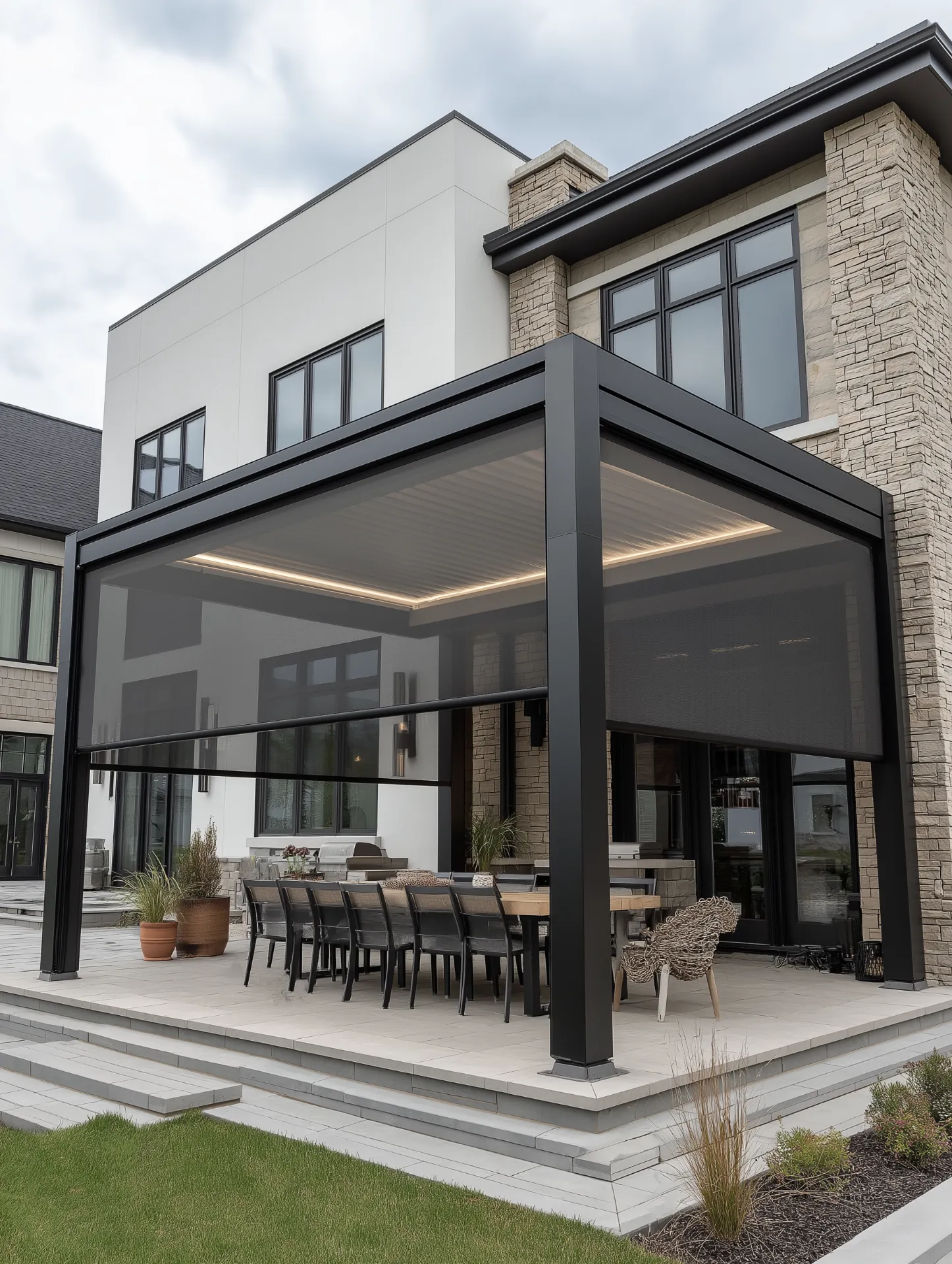
4 Products

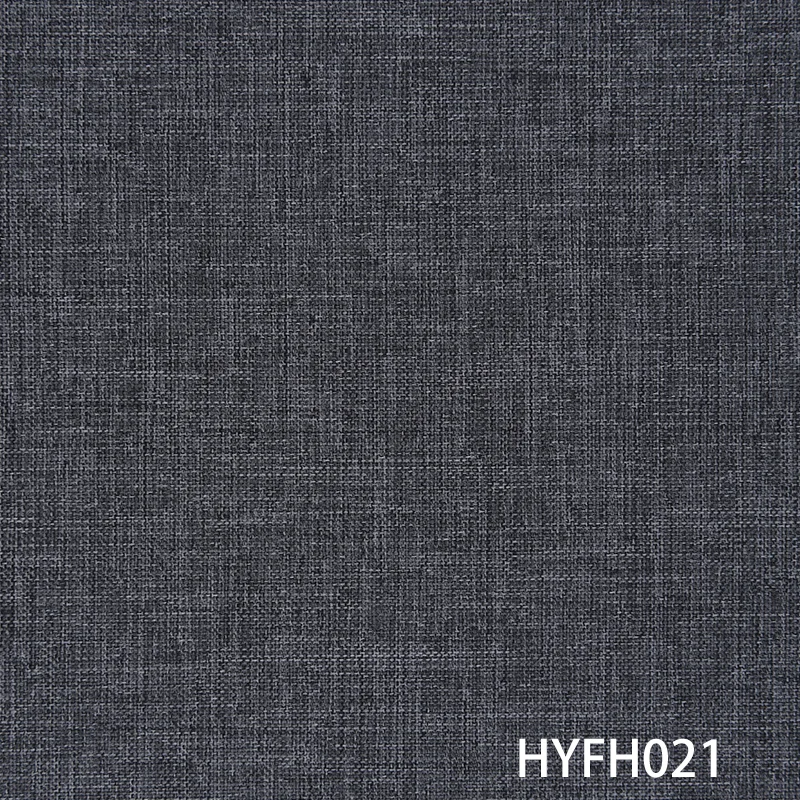
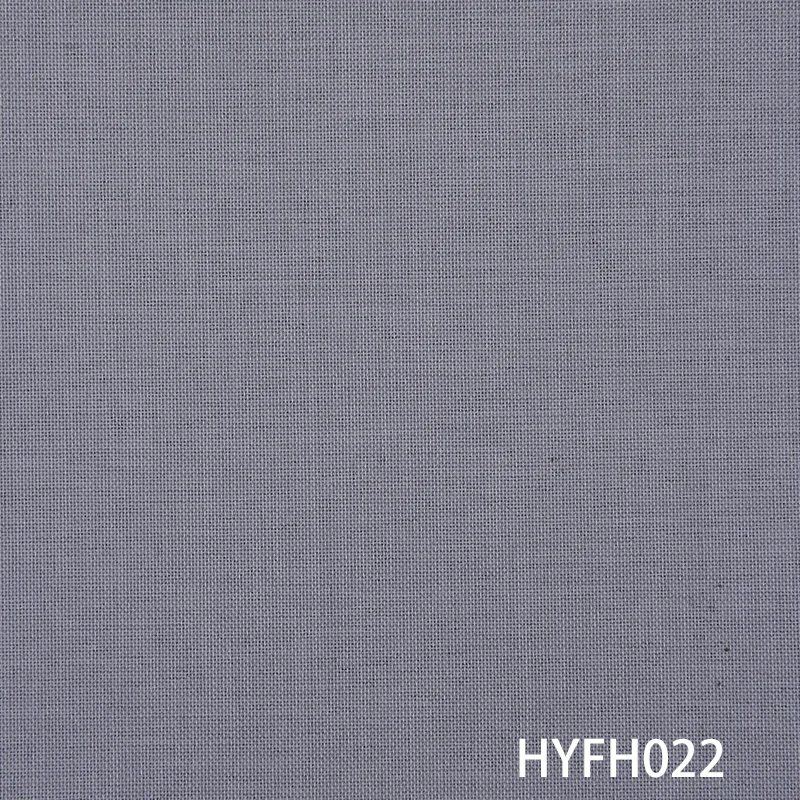
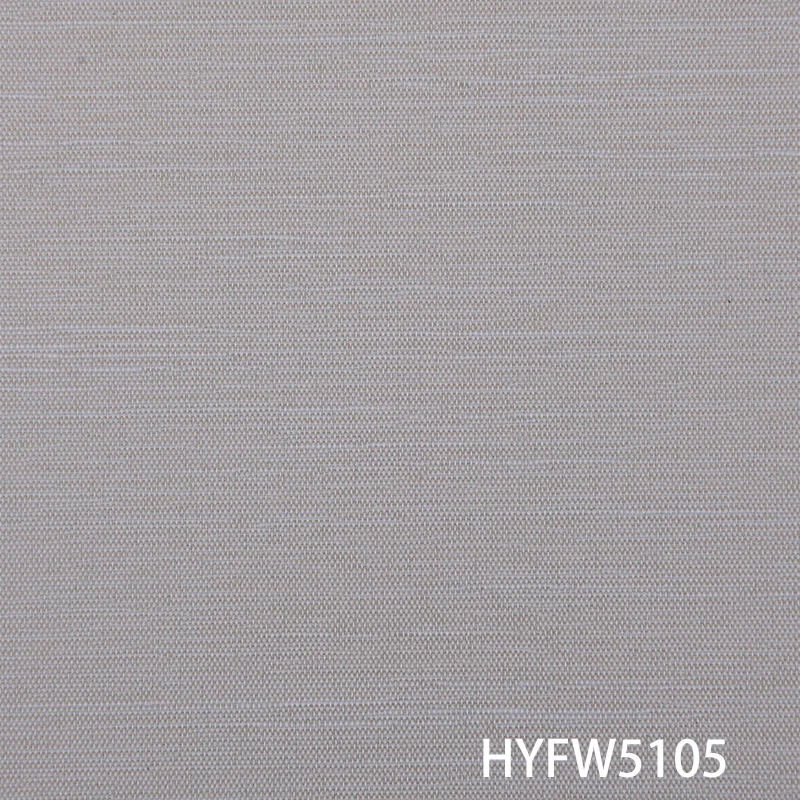
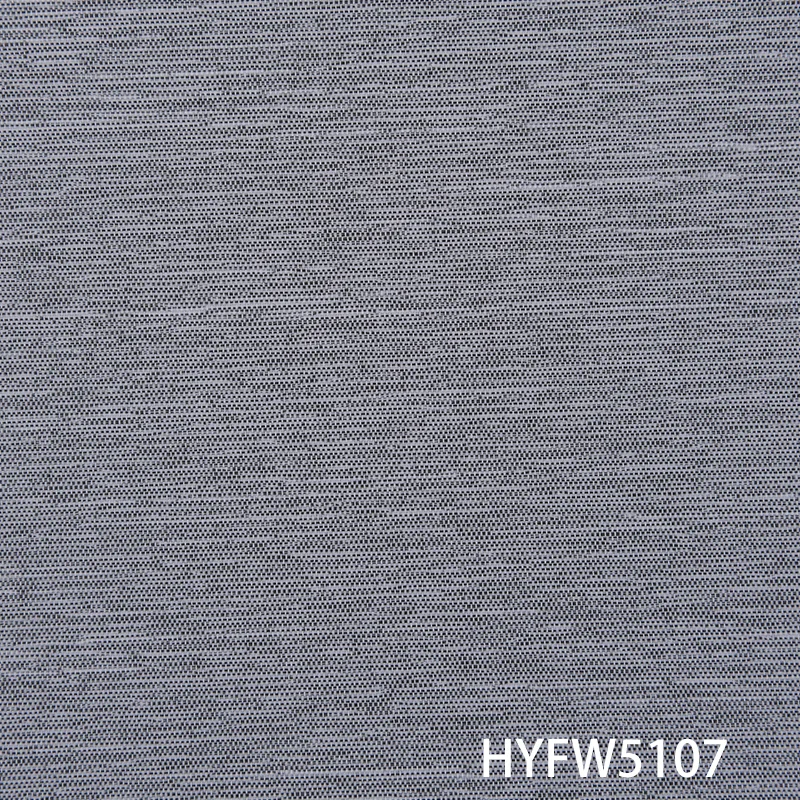
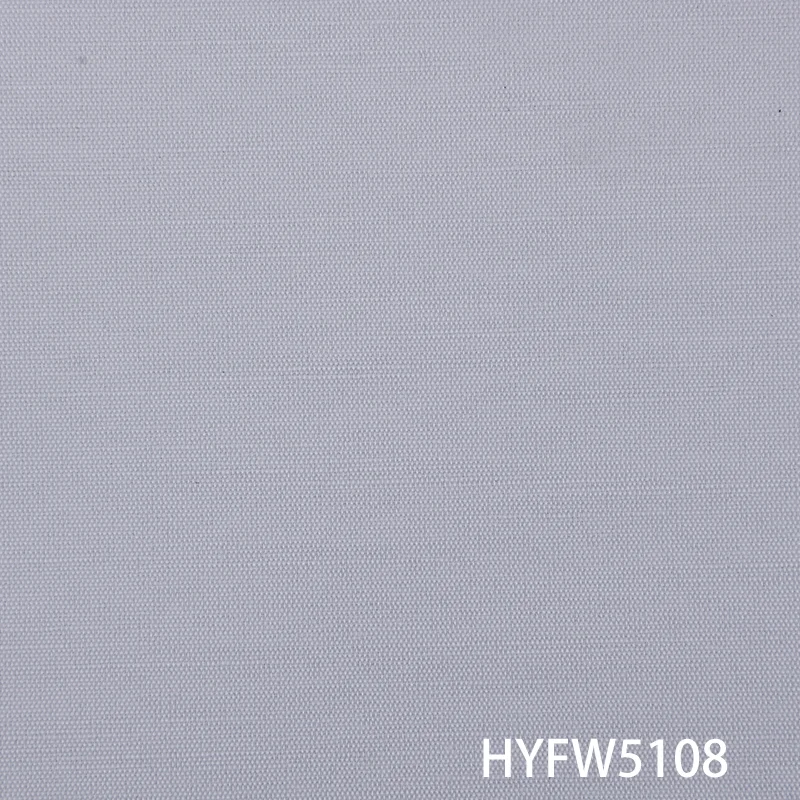
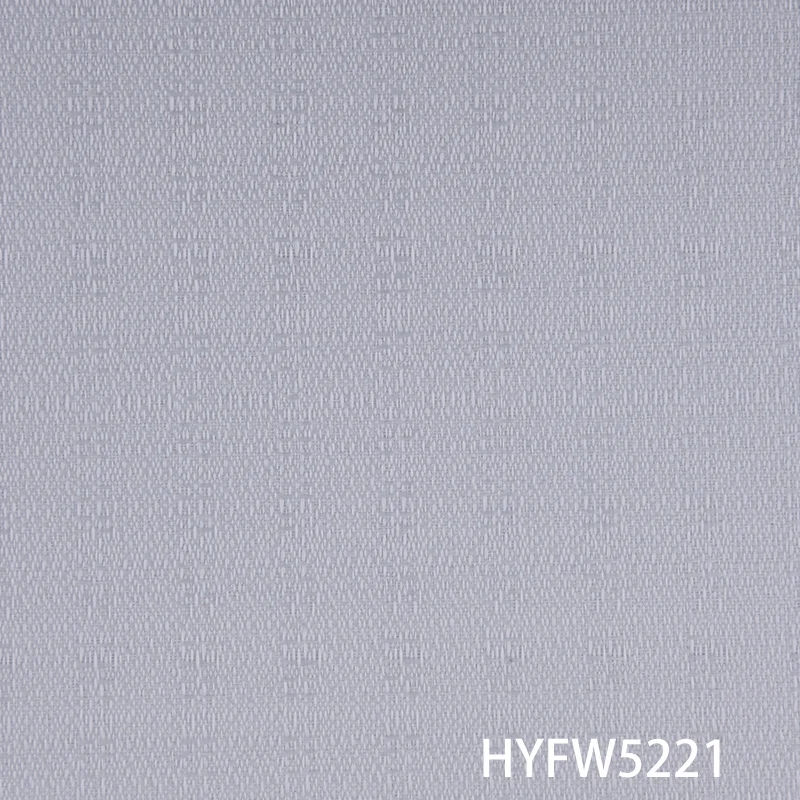 +34
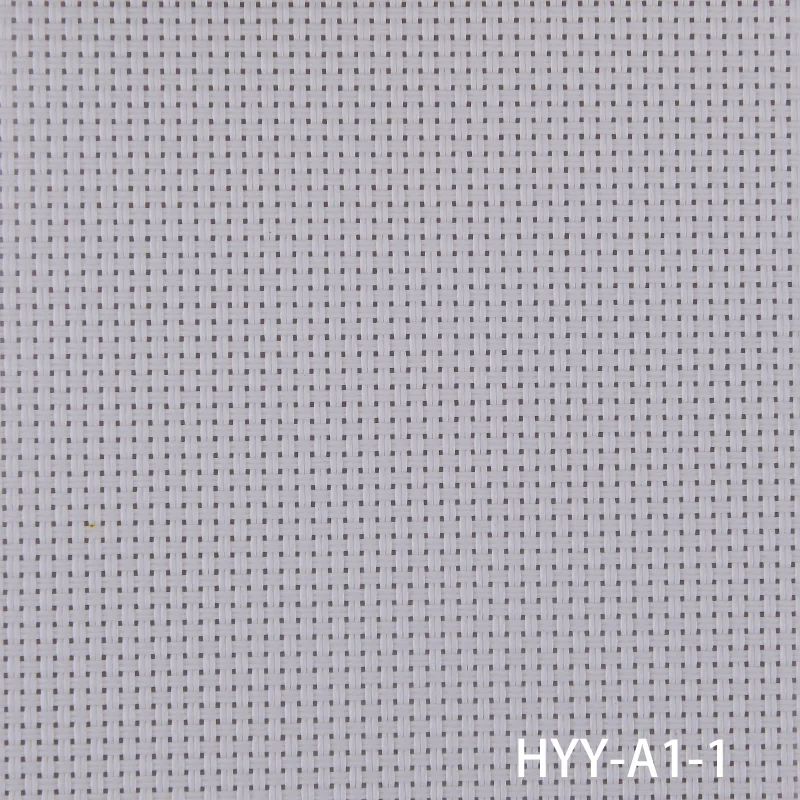
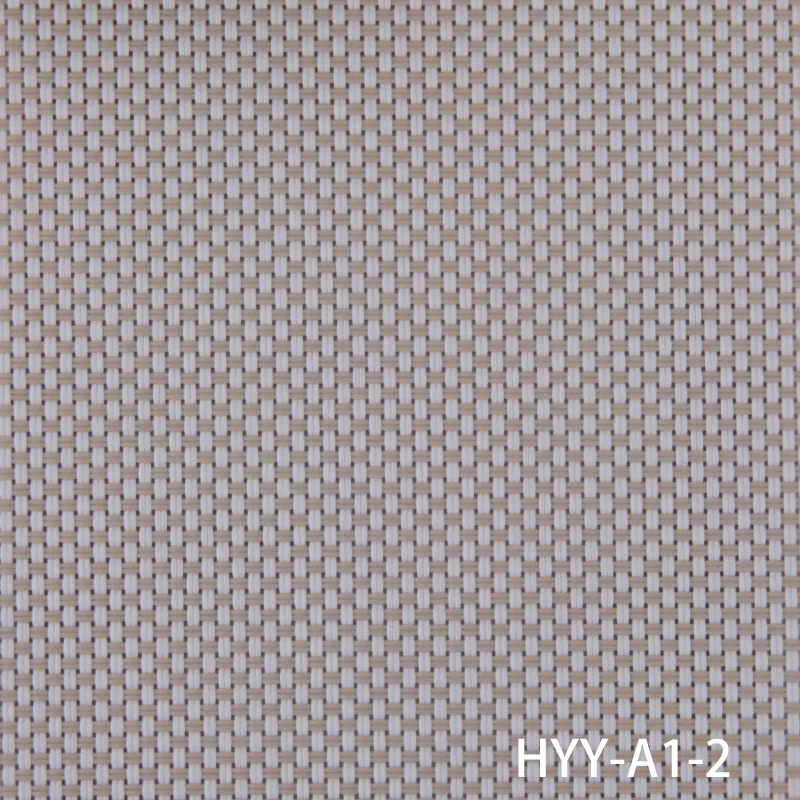
+34Blackout Roller Shades with Side Channels
$145.99for 24" x 36"
Free Shipping · Made to Measure
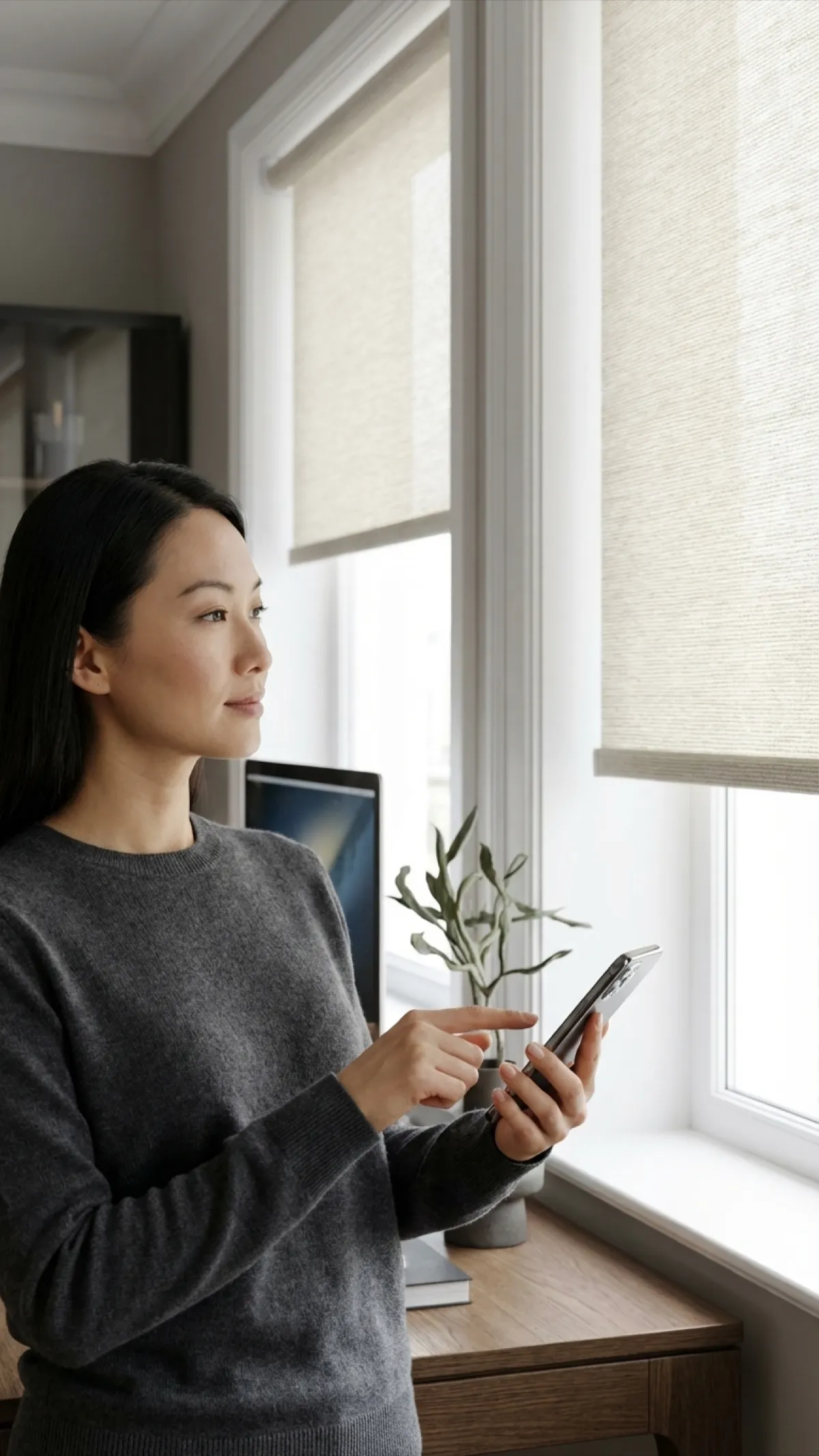
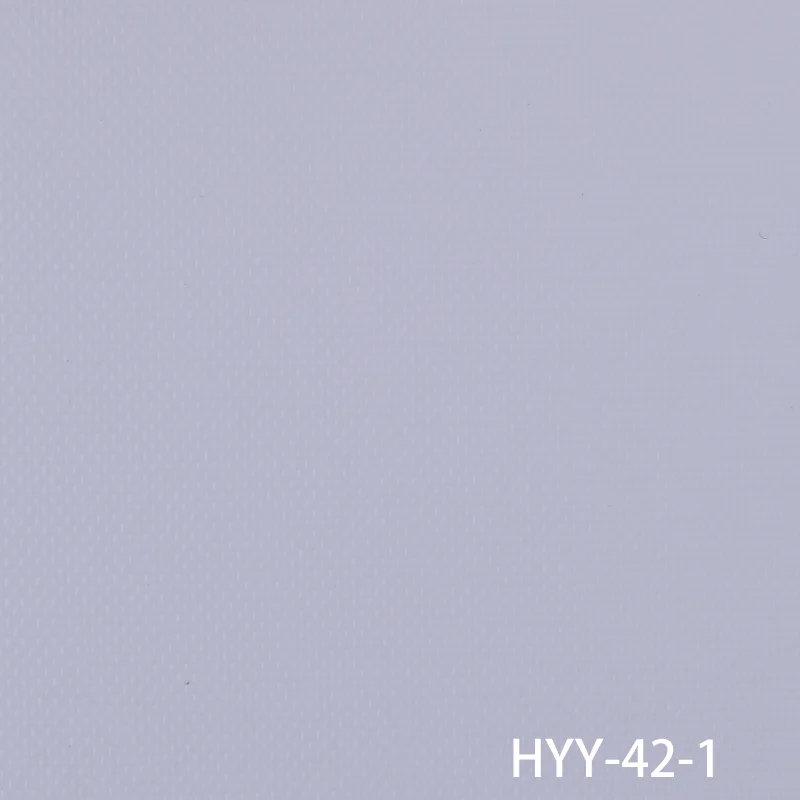
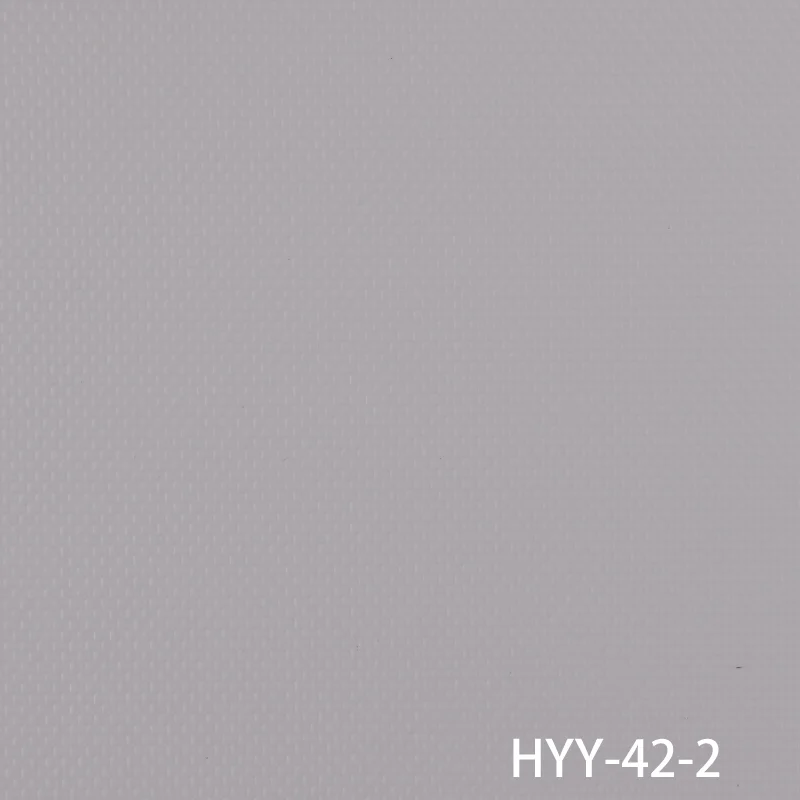
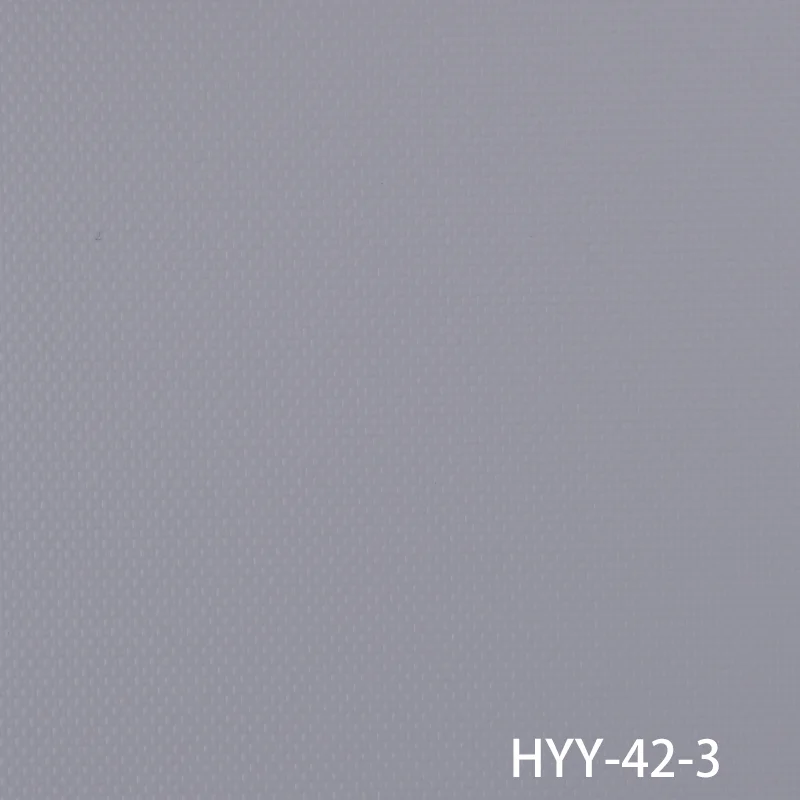
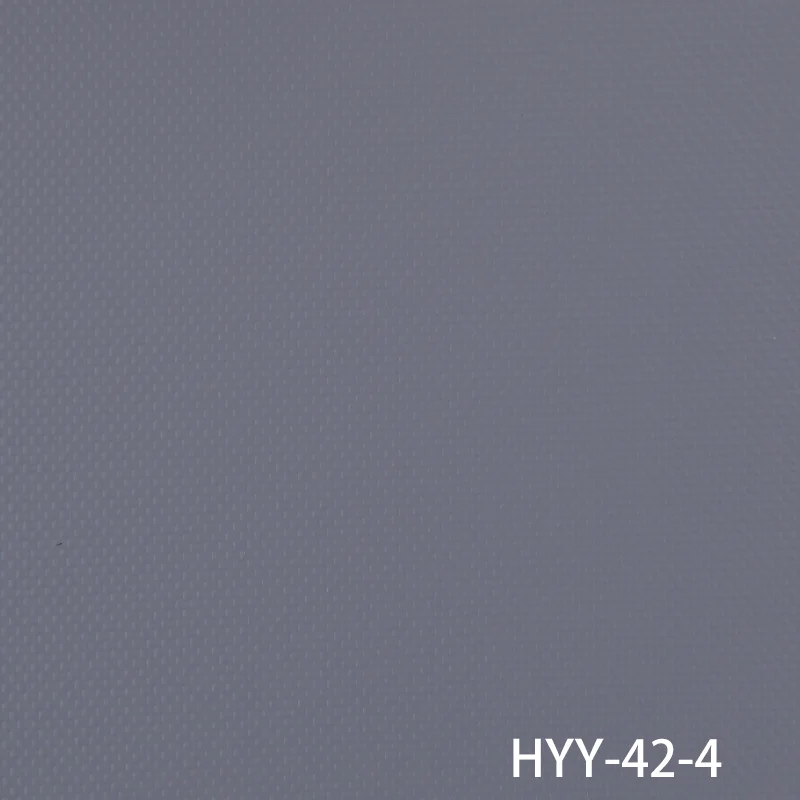
 +98
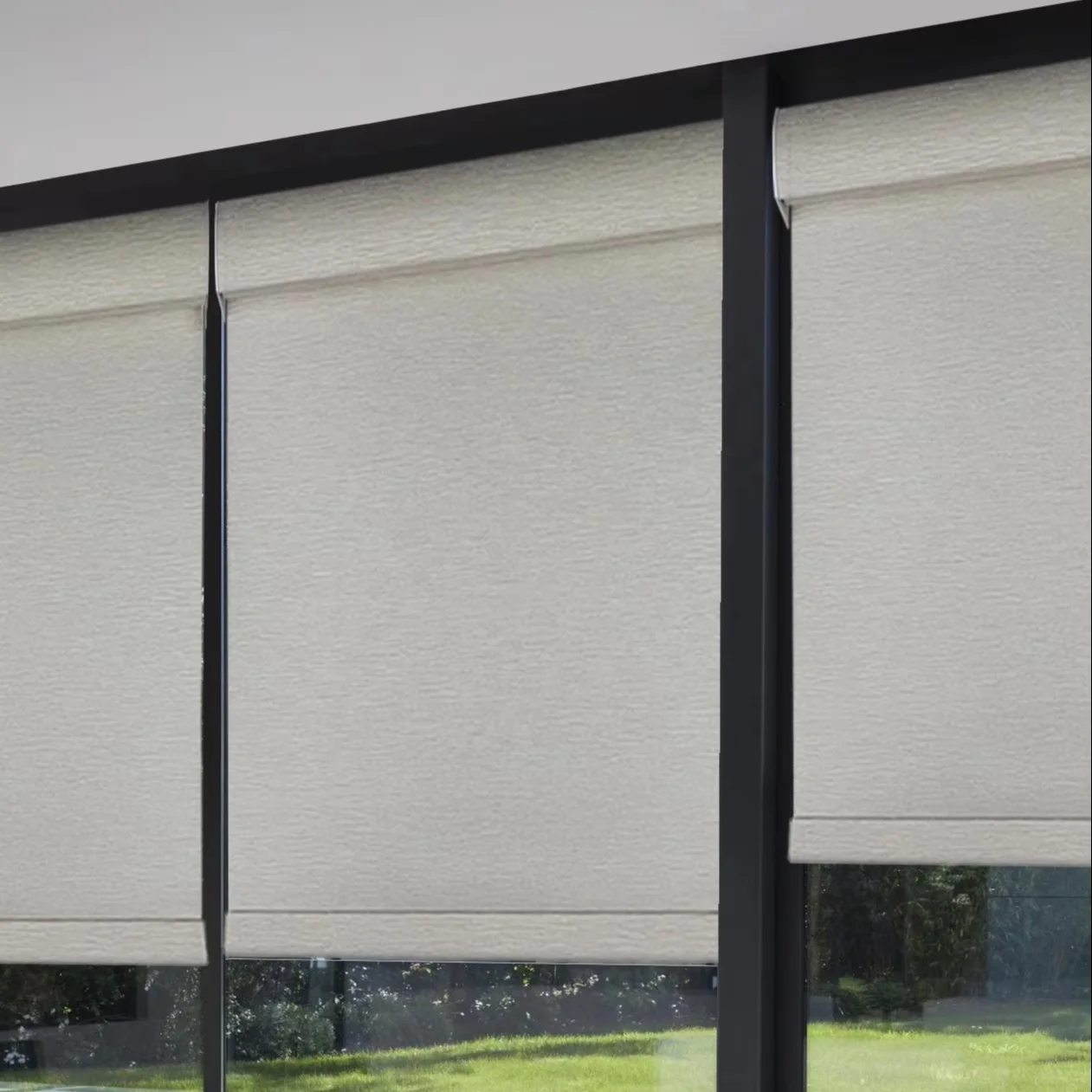
+98Motorized Roller Shades
$84.92for 24" x 36"
Free Shipping · Made to Measure
 +34
+34Blackout Roller Shades
$66.00for 36" x 48"
Free Shipping · Made to Measure

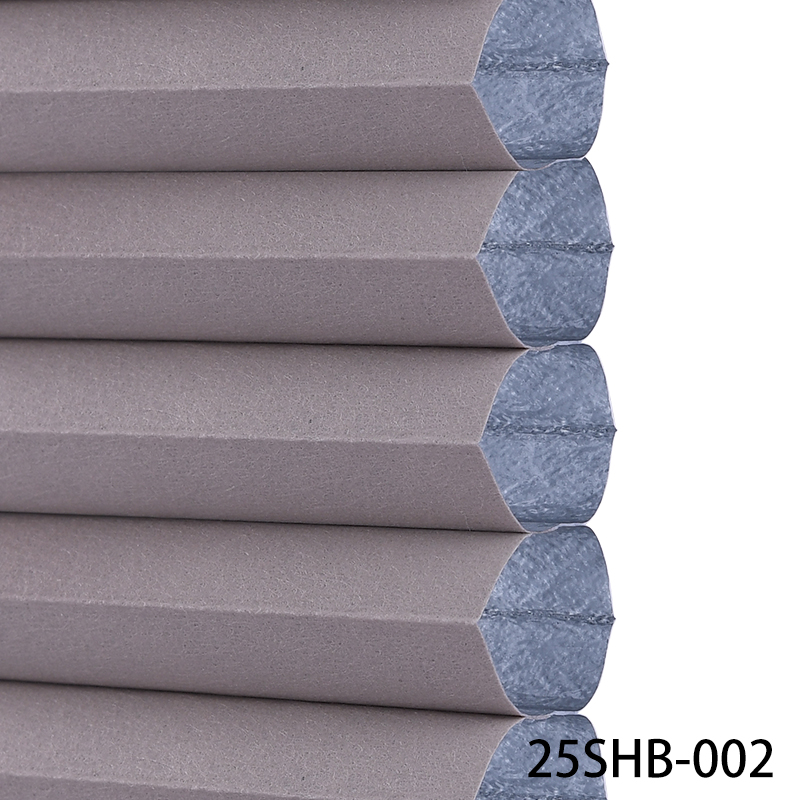
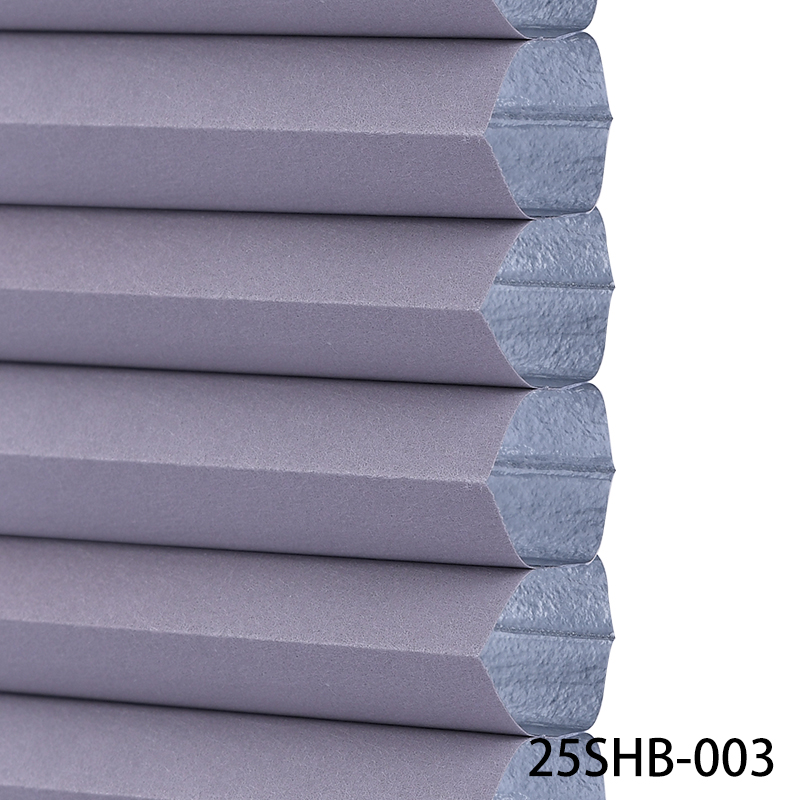
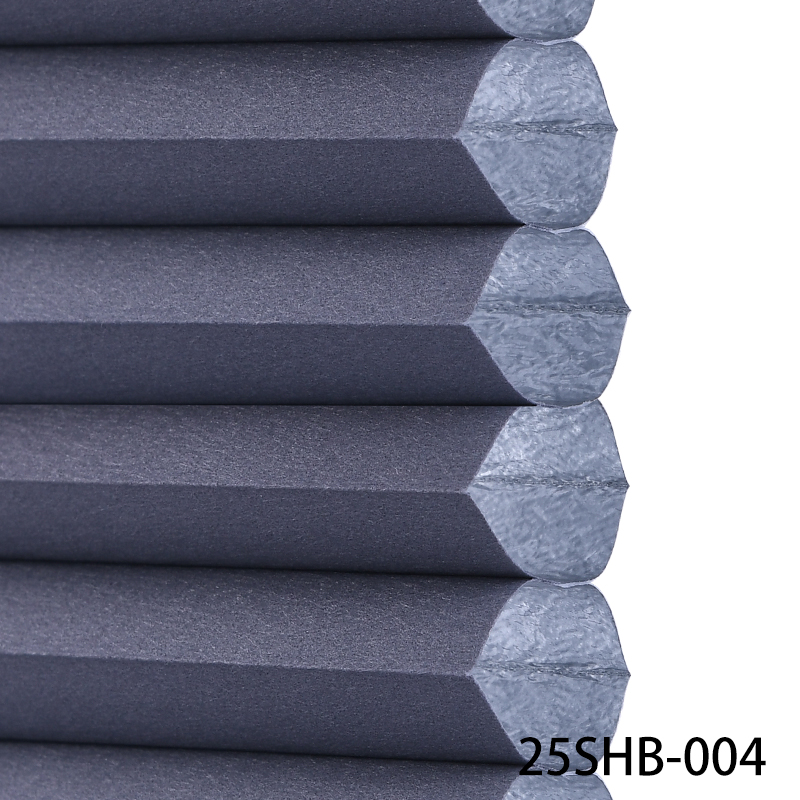
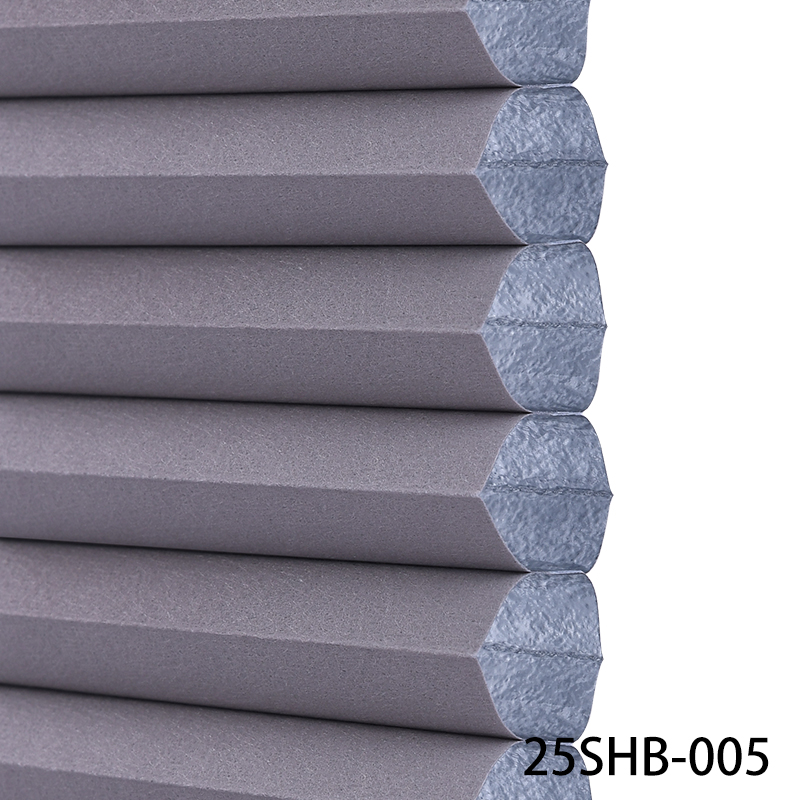
 +67
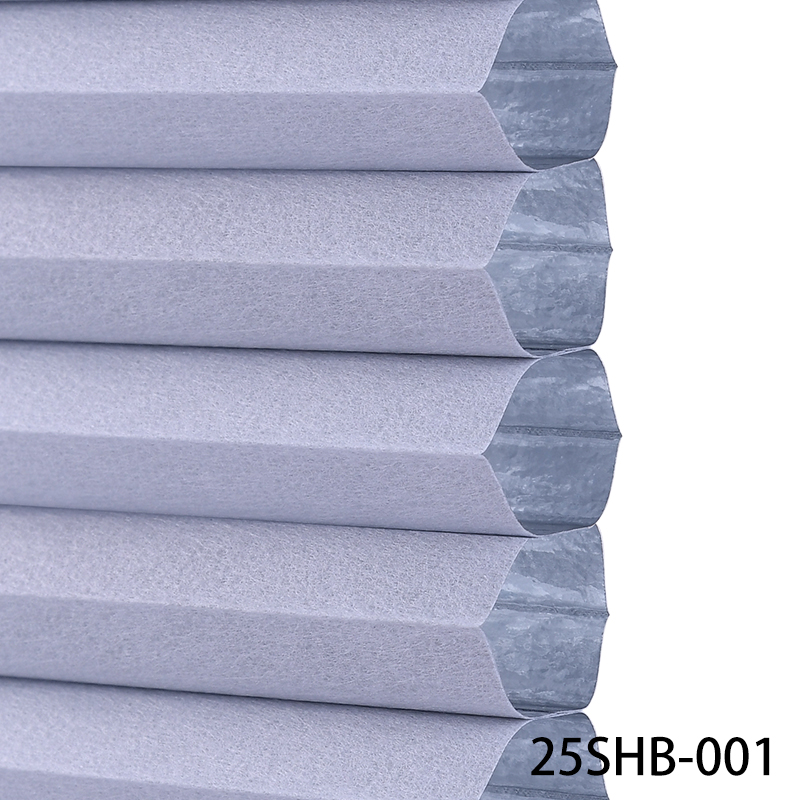
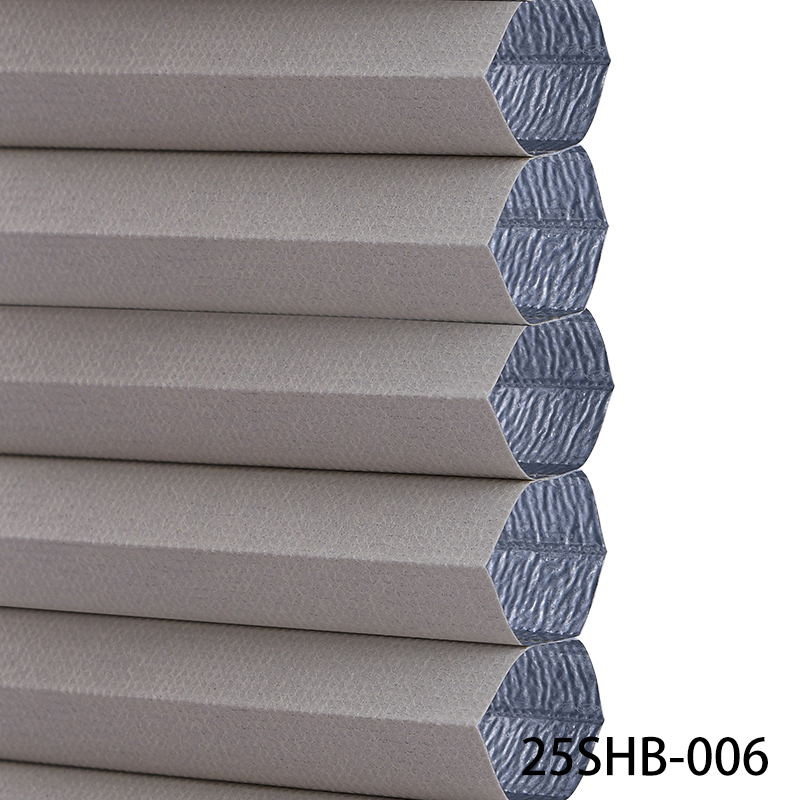
+67Premium Blackout Cellular Shades
$49.50for 24" x 36"
Free Shipping · Made to Measure
Choose with a little more clarity
Not sure which shade to choose?
Compare a live-priced shortlist by room, light and operation. No login or email needed.
Current channel pricing and ordering limits
Blackout Roller Shades with Side Channels: +$100 per shade; Motorized Roller Shades: +$100 per shade. The dedicated side-channel product preselects the channel option, so its starting quote already includes it—do not add the surcharge a second time. Each product card states its own reference dimensions. Final pricing depends on your size, fabric, controls and hardware; there is no single reference size shared by every product.
| Product | Channel option | Width range | Maximum height with channels |
|---|---|---|---|
| Blackout Roller Shades with Side Channels | +$100 | 12–96 inches | 110 inches |
| Motorized Roller Shades | +$100 | 12–96 inches | 110 inches |
Profile width and depth, alloy, exact finish codes, fabric composition and the final sill clearance depend on the selected system. Request the supplier specification for your product before ordering where those details are critical. A preview image is not a dimensioned hardware drawing.
Why a “blackout” shade still lets light in
Blackout fabric is designed to block light through the material. Installed room darkness also depends on the window and the fit of the system. A roller shade mounted inside the window frame has to be cut narrower than the opening so it can turn, and that clearance becomes a strip of daylight down each side. At the top, an open roll lets light bounce over the tube. On a bright morning those two leaks light the whole room.
Side channels are aluminum U-profiles fixed to each jamb (or to the wall on an outside mount). The edge of the fabric runs inside the profile, so the clearance is behind metal instead of open to the glass. A cassette headrail does the same job at the top. Light can still enter at joints, uneven surfaces and the bottom rail. We do not specify a universal sill gap or guarantee zero light leakage for every installation.
1. Side channels
Cover the running clearance on both sides. The fabric is cut to run inside them.
2. Cassette headrail
Encloses the roll so light can't spill over the top of the tube.
3. Bottom rail to sill
On an inside mount the rail lands on the sill; on an outside mount, order the shade to overlap the sill.
Measuring for side channels
- Inside mount: measure the opening width at the top, middle and bottom and enter the narrowest. We make the deductions for the channels — do not subtract anything yourself. Measure height at left, center and right and enter the tallest so the bottom rail reaches the sill.
- Check the frame is square: if the three width readings differ by more than about ¼", the channels will not sit flat against both jambs and light will show at the wider end. In that case choose outside mount.
- Outside mount: measure the area you want covered and add overlap on each side and above; the channels mount on the wall or trim and the shade is made to that size.
- Limits: side channels cannot be supplied above 110 inches in height. Use the product-specific width range shown above and confirm the available fabric and operating system in the configurator. A taller shade without channels does not make a taller channel system available.
Who these are for
Night-shift sleepers
Daytime darkness that a curtain-and-shade stack never quite delivers.
Bedroom blinds →Nurseries
Naps at 1 p.m. in July. Cordless as standard, no cords within reach.
Nursery blackout shades →Media rooms
No side glare across the screen; the shade disappears into the frame when it's up.
Living room blinds →Migraine and light sensitivity
A dark room on demand, from a remote if you add the motor.
Motorized shades →Channels vs blackout curtains vs blackout cellular
| You care about | Roller + side channels | Blackout curtains | Blackout cellular |
|---|---|---|---|
| Darkness at the edges | Sides and top sealed | Leaks at the sides unless wrapped to the wall | Edge glow ¼–½" each side |
| Footprint | Flat, inside the frame | Stack 6–12" beside the window | Flat, inside the frame |
| Insulation | Basic (single layer) | Good when lined and floor-length | Best — trapped-air cells |
| Sound | No published acoustic rating | Varies by material and installation | No published acoustic rating |
| Cleaning | Wipe the fabric | Wash or dry-clean | Vacuum with brush |
| Motorized option | Yes | Track motor, separate purchase | Yes |
Short version: for darkness alone, roller with channels. For a different approach to light control and insulation, a blackout cellular shade. Curtains only when you want the fabric on show.
What the channels change
Reduce side light
Side tracks cover the running clearance beside the fabric. The remaining light depends on the window, mounting surface and installation.
Sealed at the top
A metal cassette headrail encloses the roll, so light can't spill over the top of the tube the way it does on an open-roll shade.
Made to the eighth of an inch
Enter your window measurements in the configurator. Side channels are available only up to 110 inches tall, subject to the product’s size limits. Read the Perfect Fit Guarantee terms before ordering.
Cordless or motorized
Choose from the controls listed for the exact product. Motor and remote options vary; the dedicated side-channel product does not offer the solar motor.
Blackout Roller Shades with Side Channels FAQ
The questions people ask before adding side channels
Do side channels really make a blackout shade darker?
Yes — that is their only job. Blackout fabric already blocks light through the material; what you still see is light leaking around the edges, typically a bright line ¼" to ½" wide down each side and a glow over the top of the roll. Channels cover the sides and the cassette covers the top. The remaining leak is at the bottom rail, which sits against the sill on an inside mount.
Can I use side channels on an outside mount?
Yes. On an outside mount the channels screw to the wall or trim on either side of the window and the shade runs inside them. It works well when the window frame is too shallow for an inside mount, or when the frame is not square enough for channels to sit flat against the jambs.
How much do side channels add to the price?
Blackout Roller Shades with Side Channels: +$100 per shade; Motorized Roller Shades: +$100 per shade. The dedicated side-channel product preselects the channel option, so its starting quote already includes it—do not add the surcharge a second time. Each product card states its own reference dimensions. Final pricing depends on your size, fabric, controls and hardware; there is no single reference size shared by every product.
Do side channels block sound?
Side channels are sold for light control, not soundproofing. We do not publish a tested acoustic rating for this system or promise a particular noise reduction.
Can I add channels to a shade I already own?
Not to a shade bought elsewhere — the fabric has to be cut narrower than the opening to run inside the channels, so channels are specified when the shade is made. If you already have one of our roller shades, contact us with the order number and we will quote a replacement fabric and channel set.
Which is darker: blackout roller with channels or blackout cellular?
Roller with channels. Cellular shades are made without channels, so they keep the side light gap; a blackout cellular is darker than a light-filtering one but still shows an edge glow. If darkness is the goal, roller + channels wins; compare insulation needs separately; neither option has a published acoustic rating here.
What colors do the channels come in?
The channel and cassette hardware is finished to match the headrail options shown in the configurator; you choose them on the same screen as the fabric so you can see the combination before you order.
Get Exclusive Offers & Inspiration
Sign up for our email list for exclusive deals and design inspiration.