
5 Vertical Blind Alternatives for Sliding Glass Doors
Vertical blinds clack, tangle, and drop a vane a year. These five do the same job — cover a door you walk through — with a roll instead of a track. Ranked by how often we would recommend them.
Read moreExplore more Blinds & Shades



5 Products





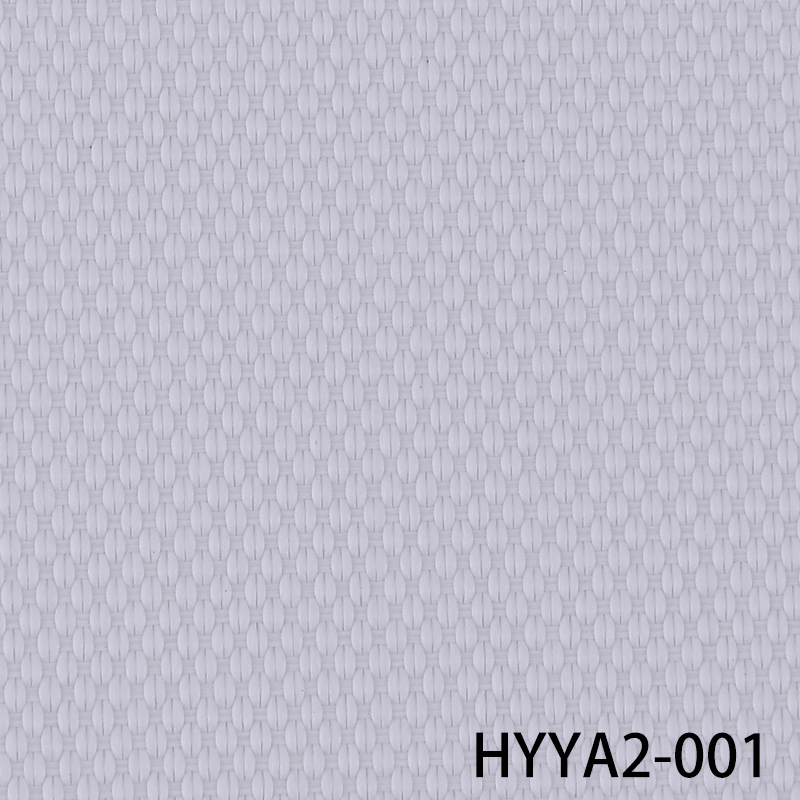
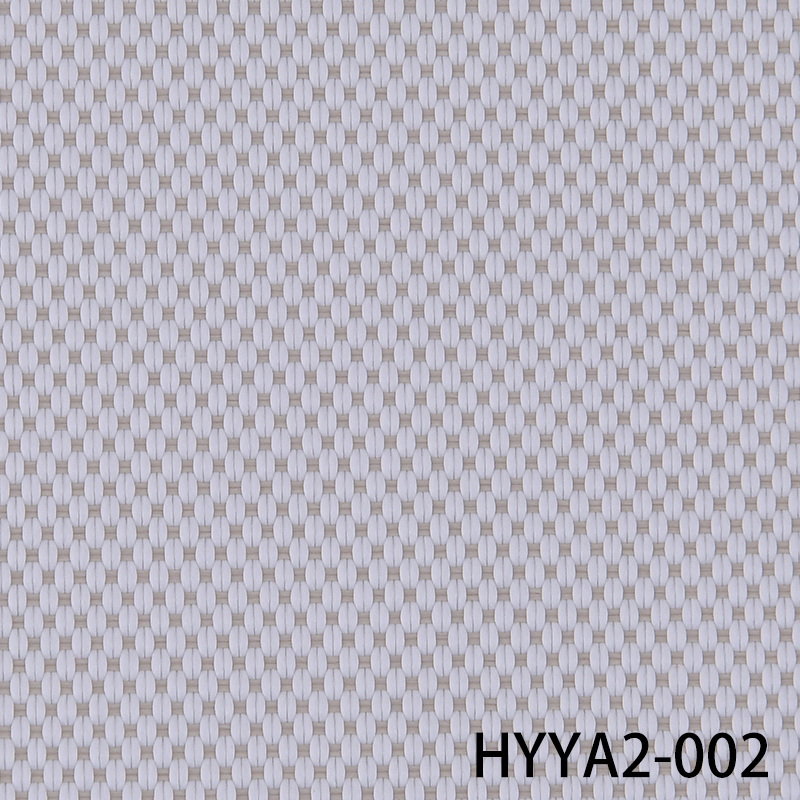 +113
+1133% Openness Solar Shades
$85.80for 36" x 48"
Free Shipping · Made to Measure
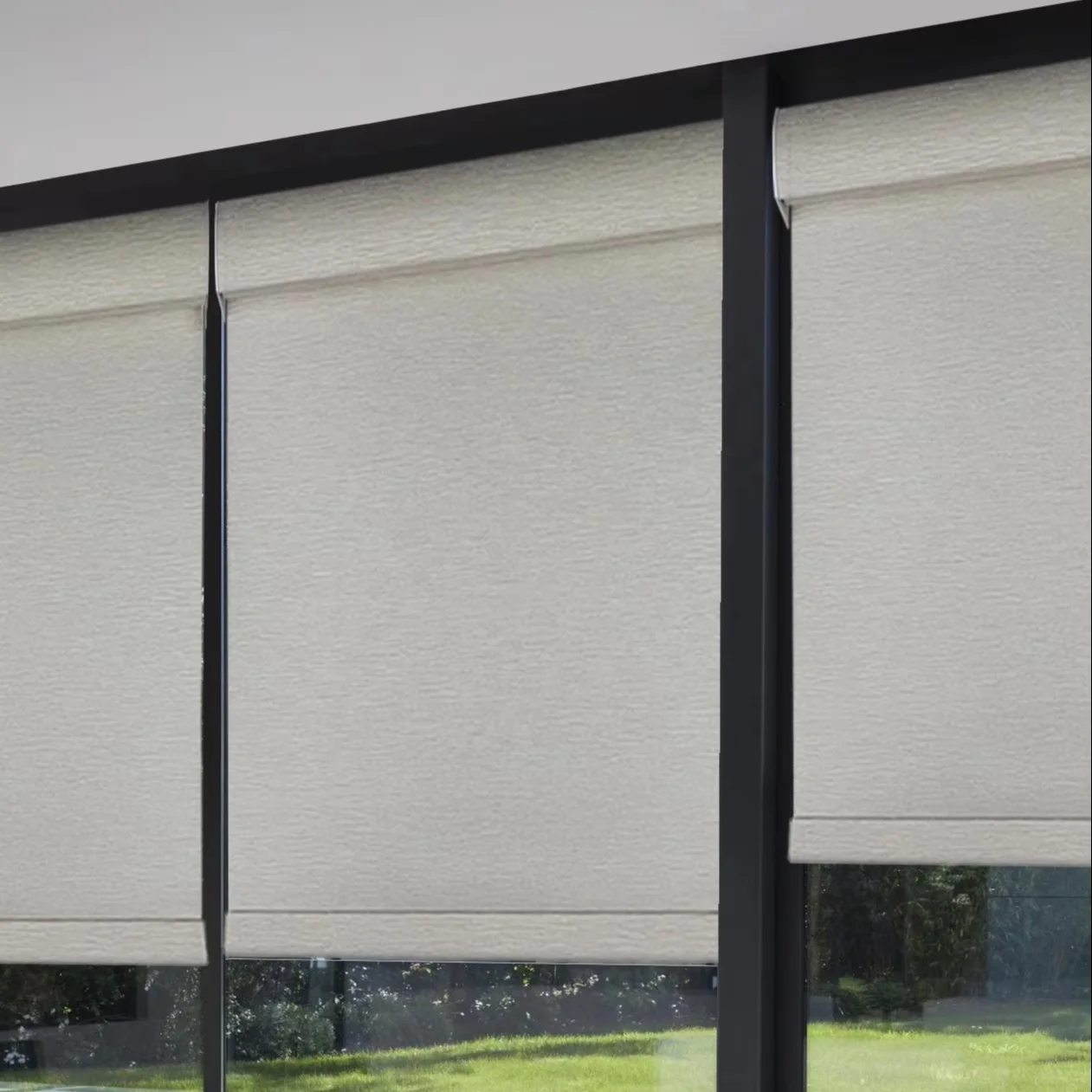
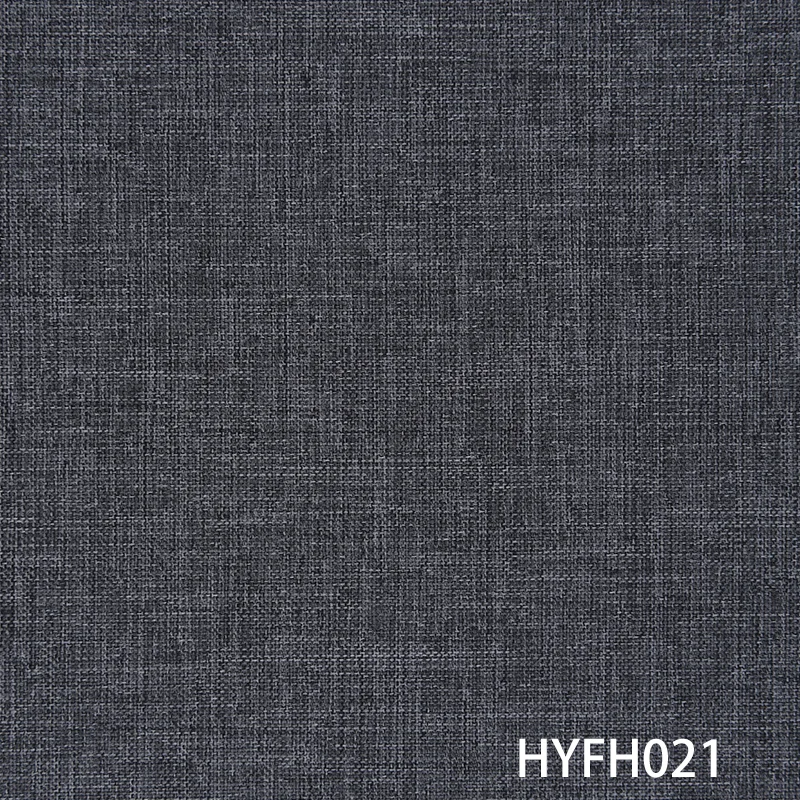
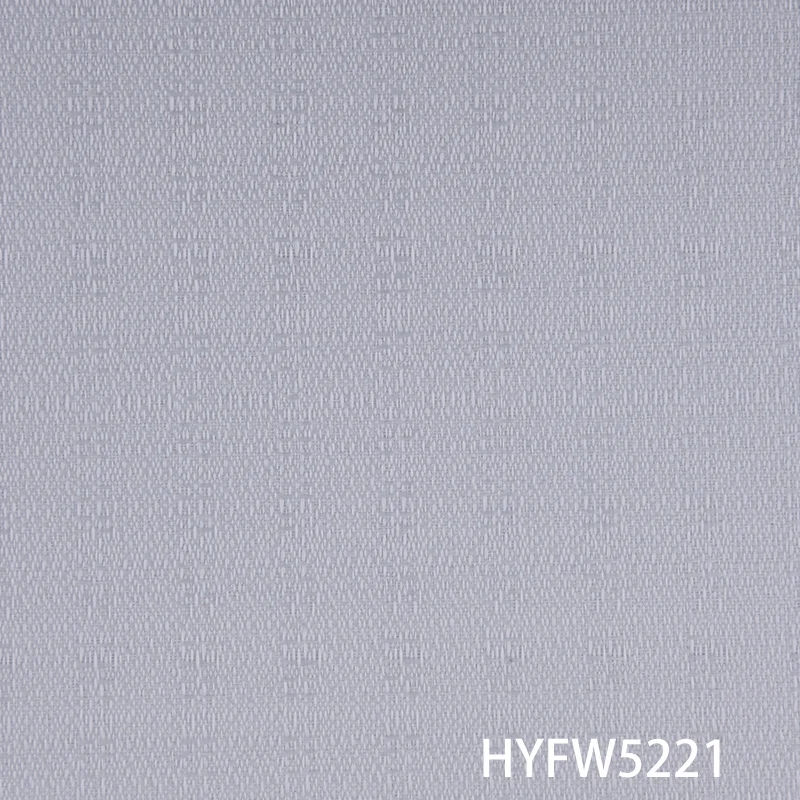 +34
+34Blackout Roller Shades
$66.00for 36" x 48"
Free Shipping · Made to Measure

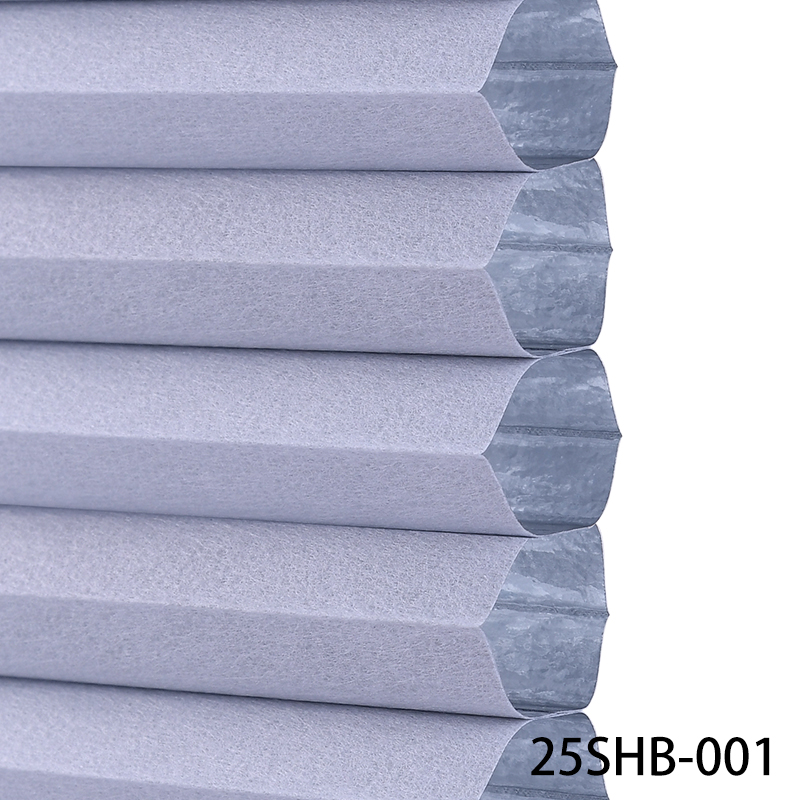
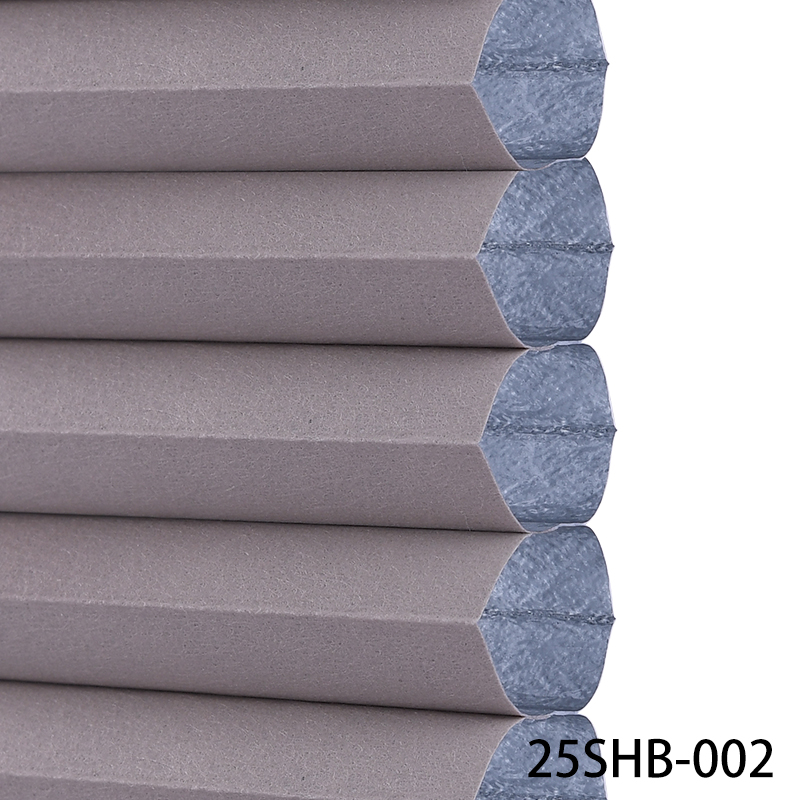
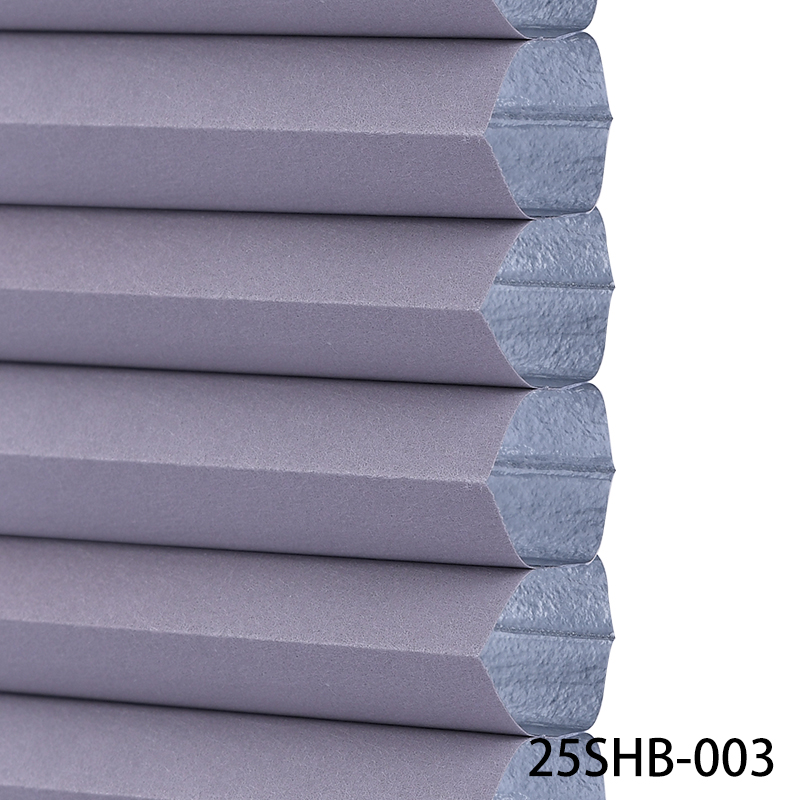
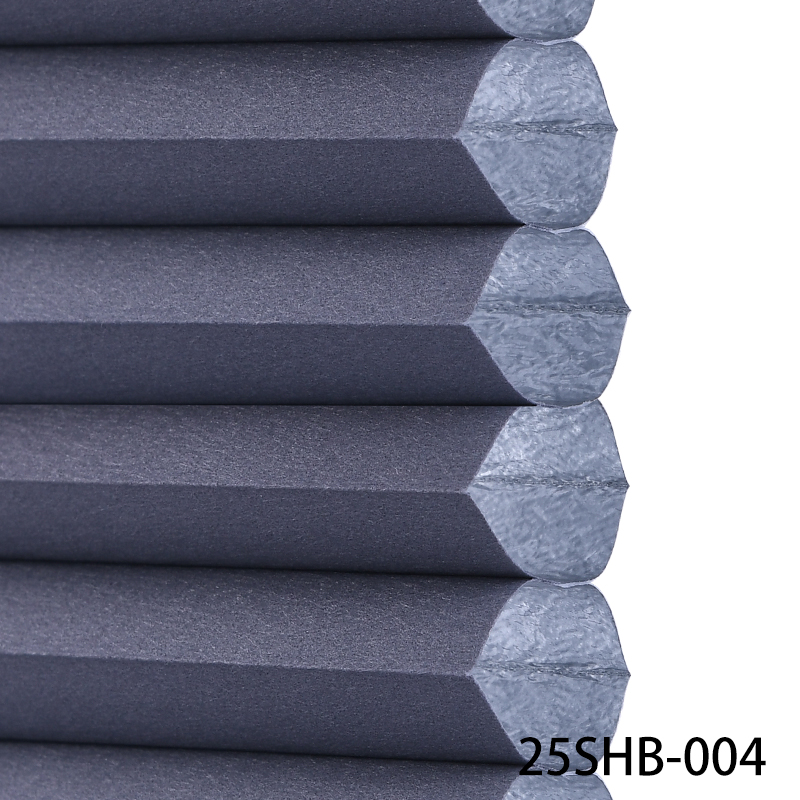
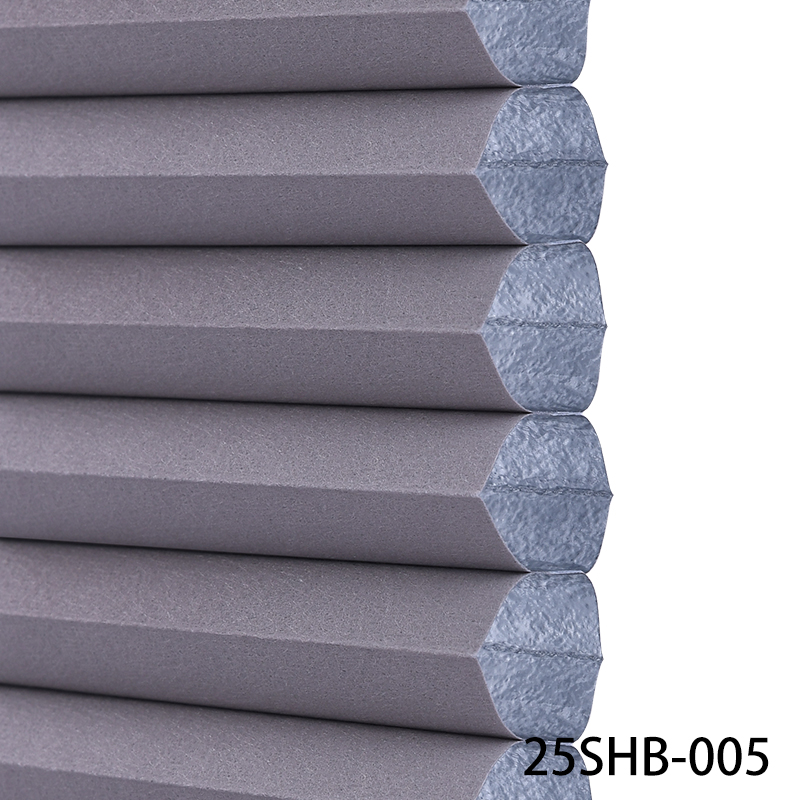
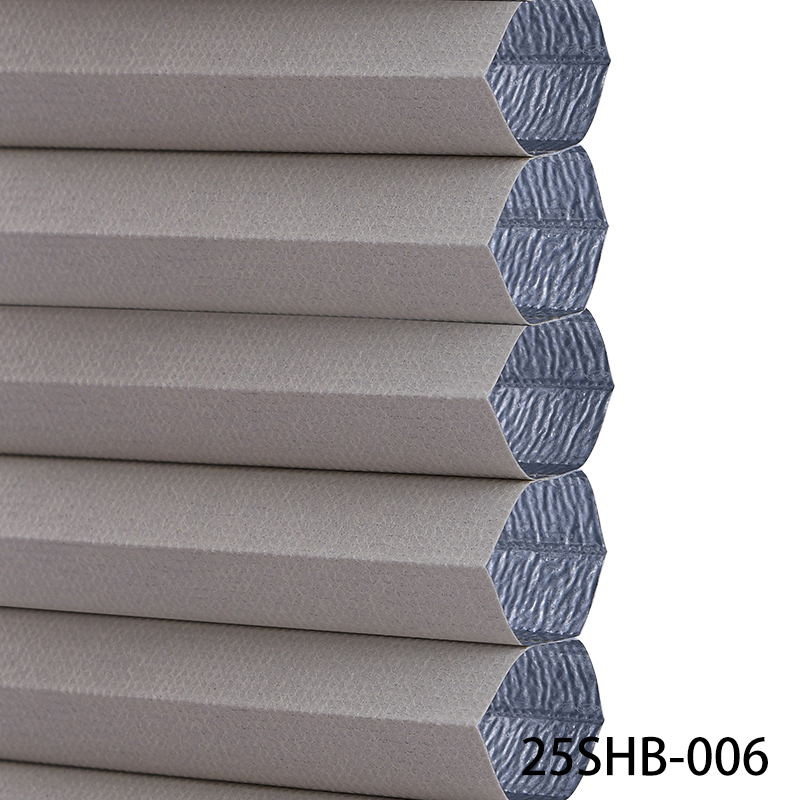 +67
+67Single Cell Light Filtering Shades
$73.50for 36" x 48"
Free Shipping · Made to Measure


 +98
+98Motorized Roller Shades
$84.92for 24" x 36"
Free Shipping · Made to Measure

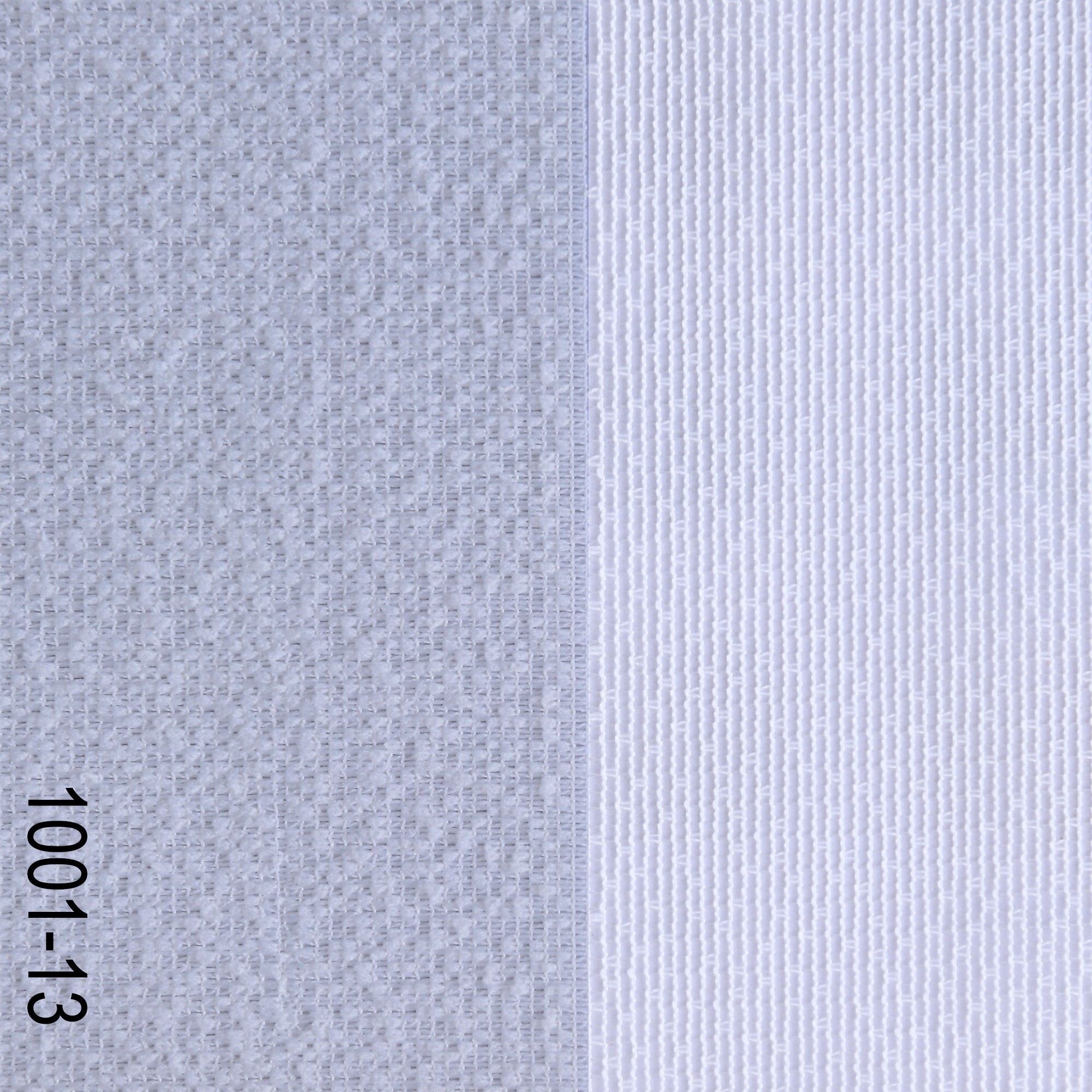
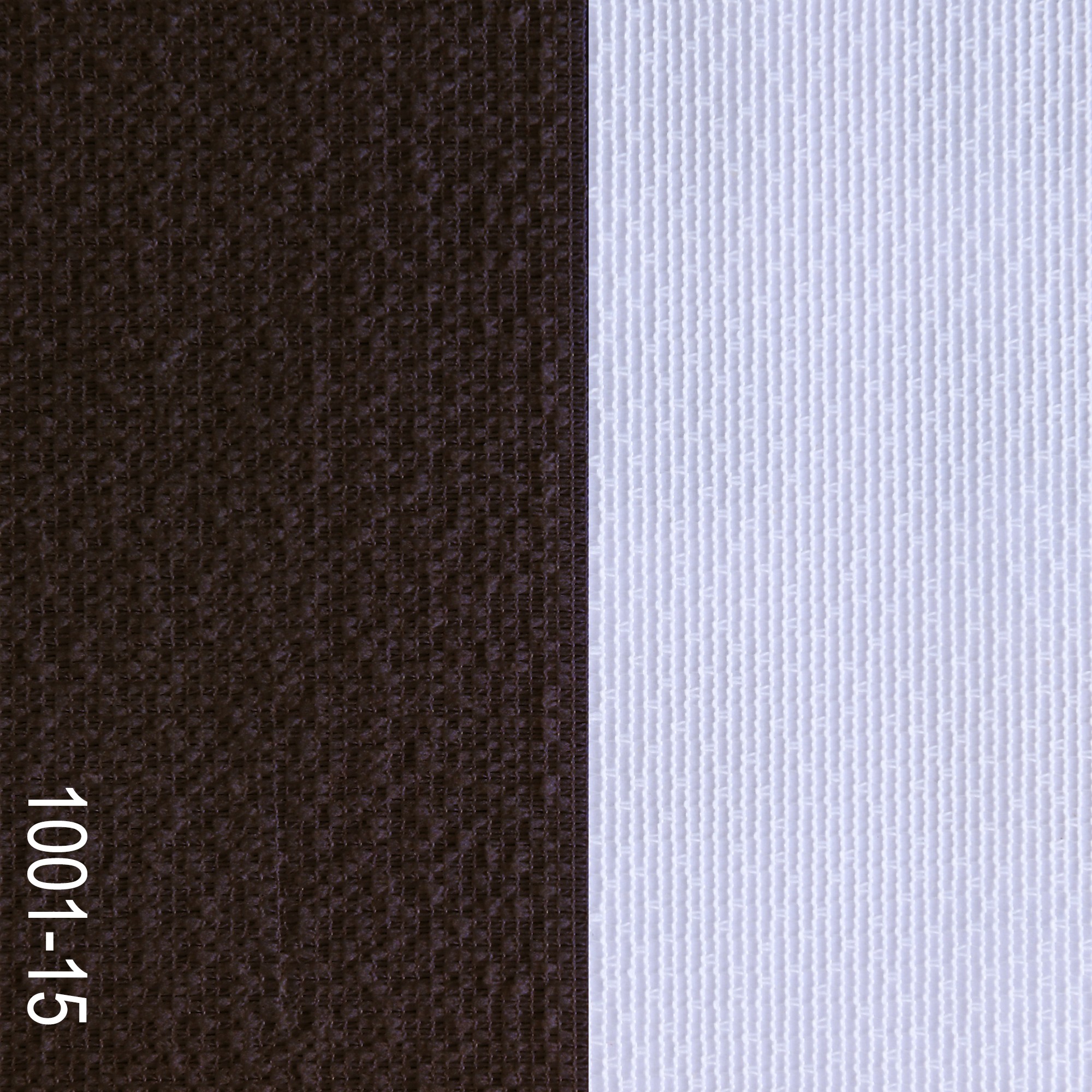 +85
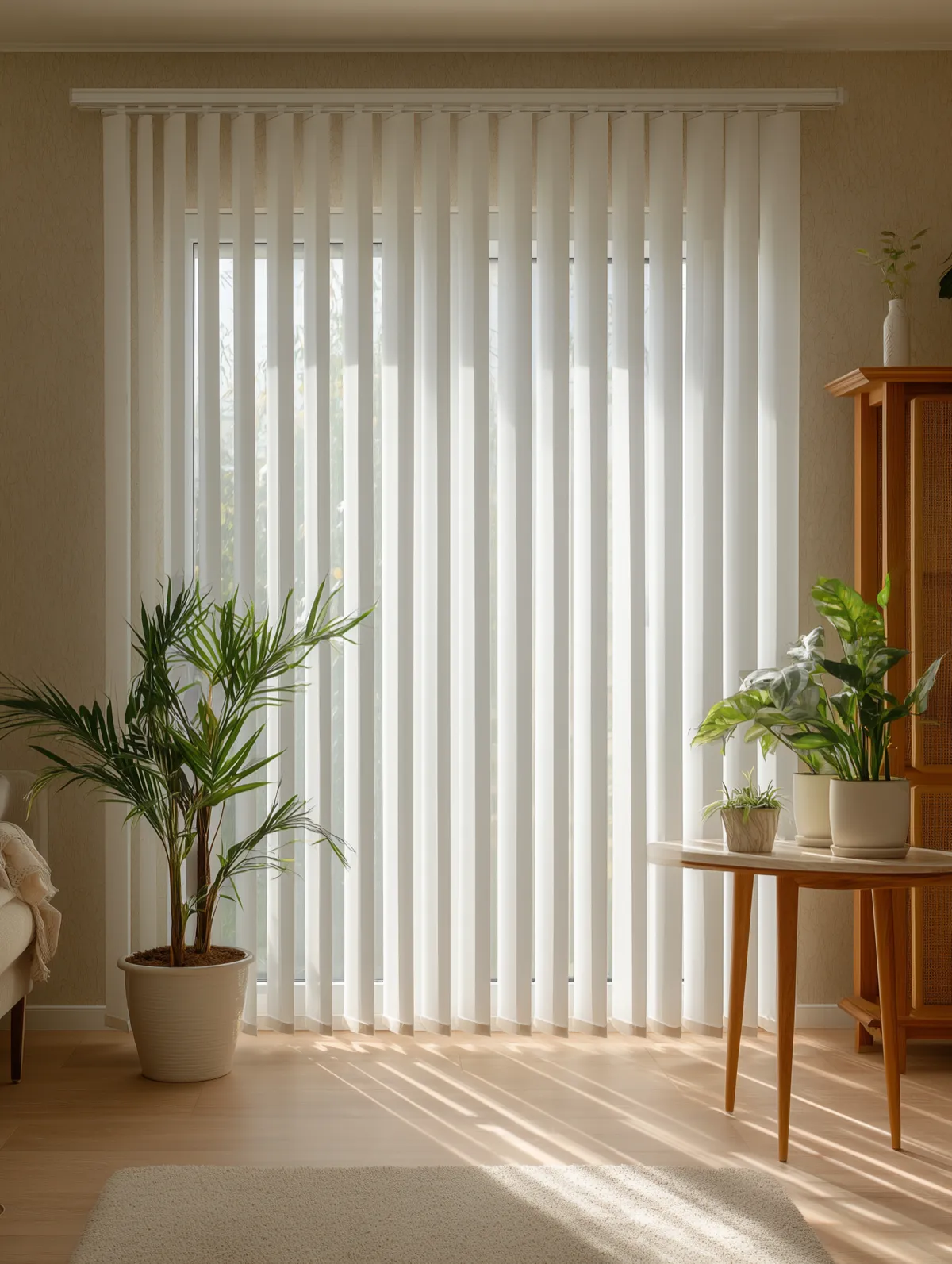
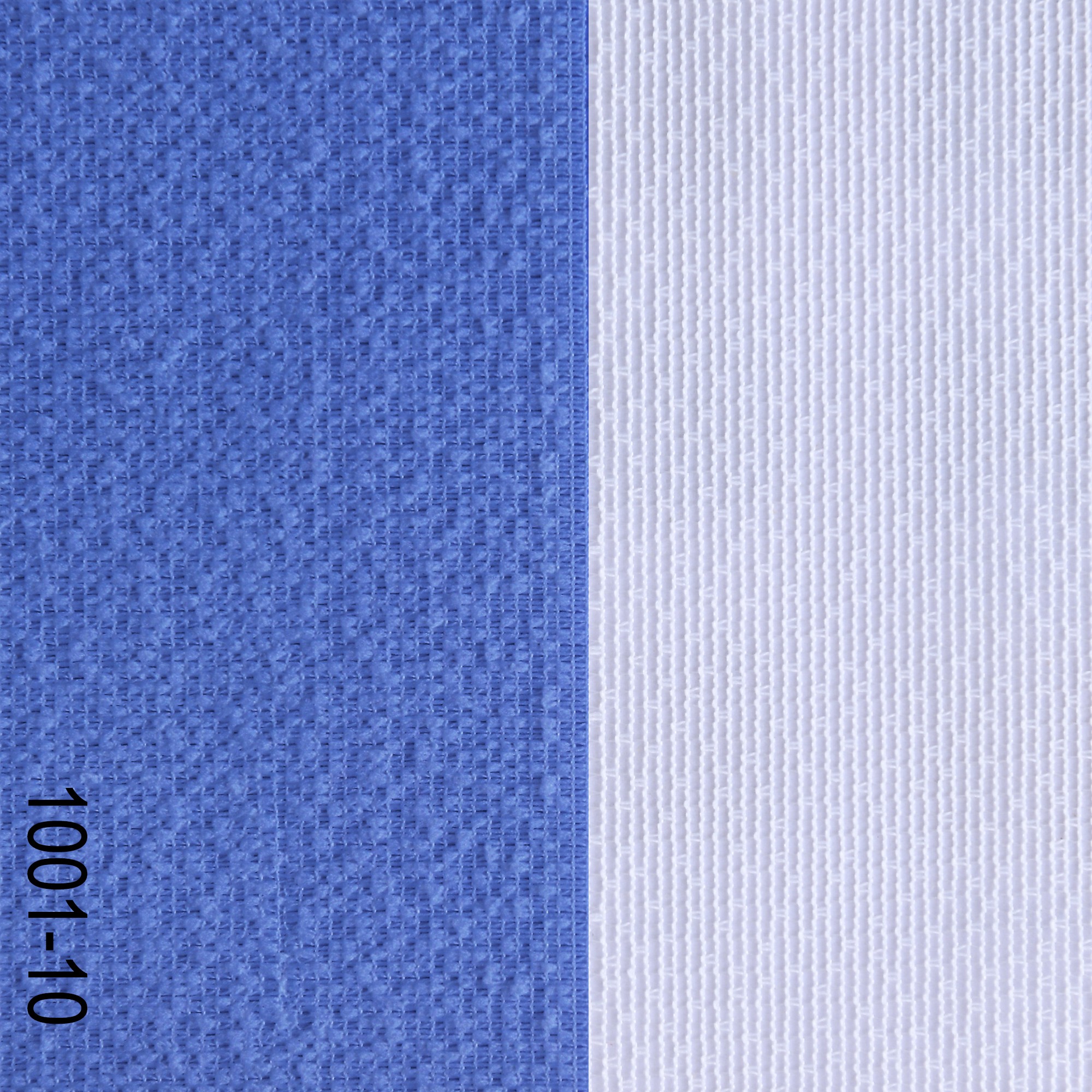
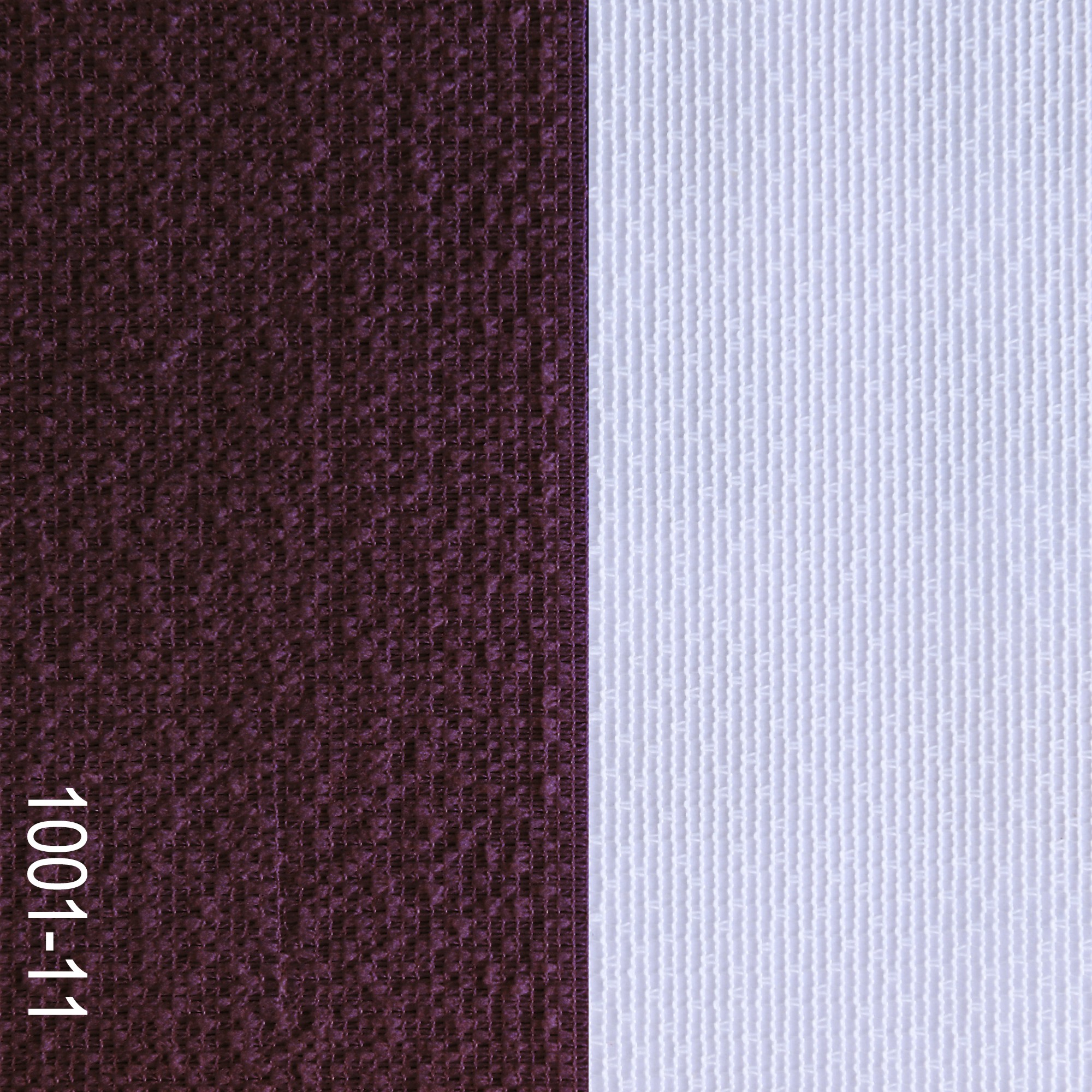
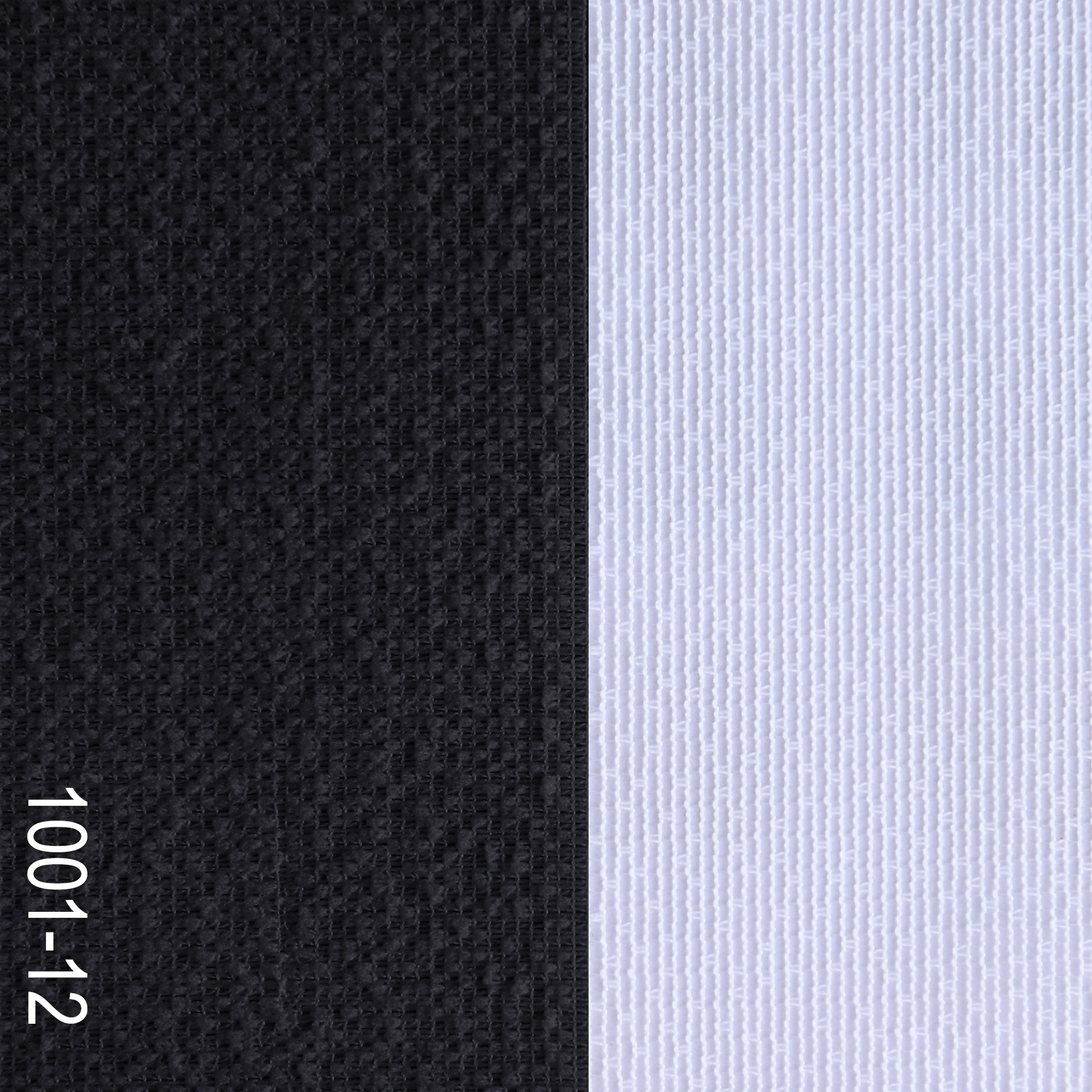
+85Fabric Vertical Blinds
$104.00for 50" x 36"
Free Shipping · Made to Measure
Choose with a little more clarity
Not sure which shade to choose?
Compare a live-priced shortlist by room, light and operation. No login or email needed.
The five, ranked
- 1
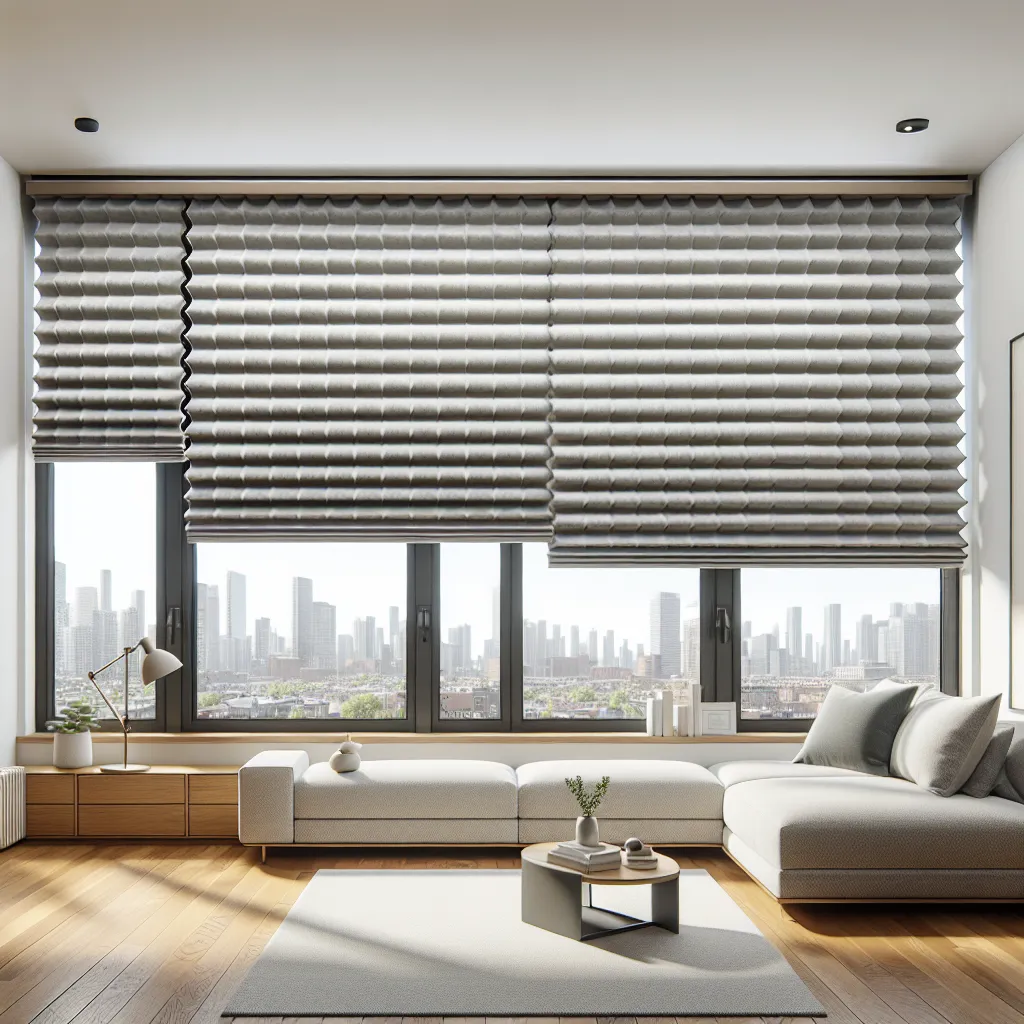
Zebra blind
View by day through the sheer bands, privacy at night with the solid bands aligned, and it raises fully clear of the door. The all-rounder for a living-room or kitchen patio door.
But: Not blackout; 96" maximum width.
- 2
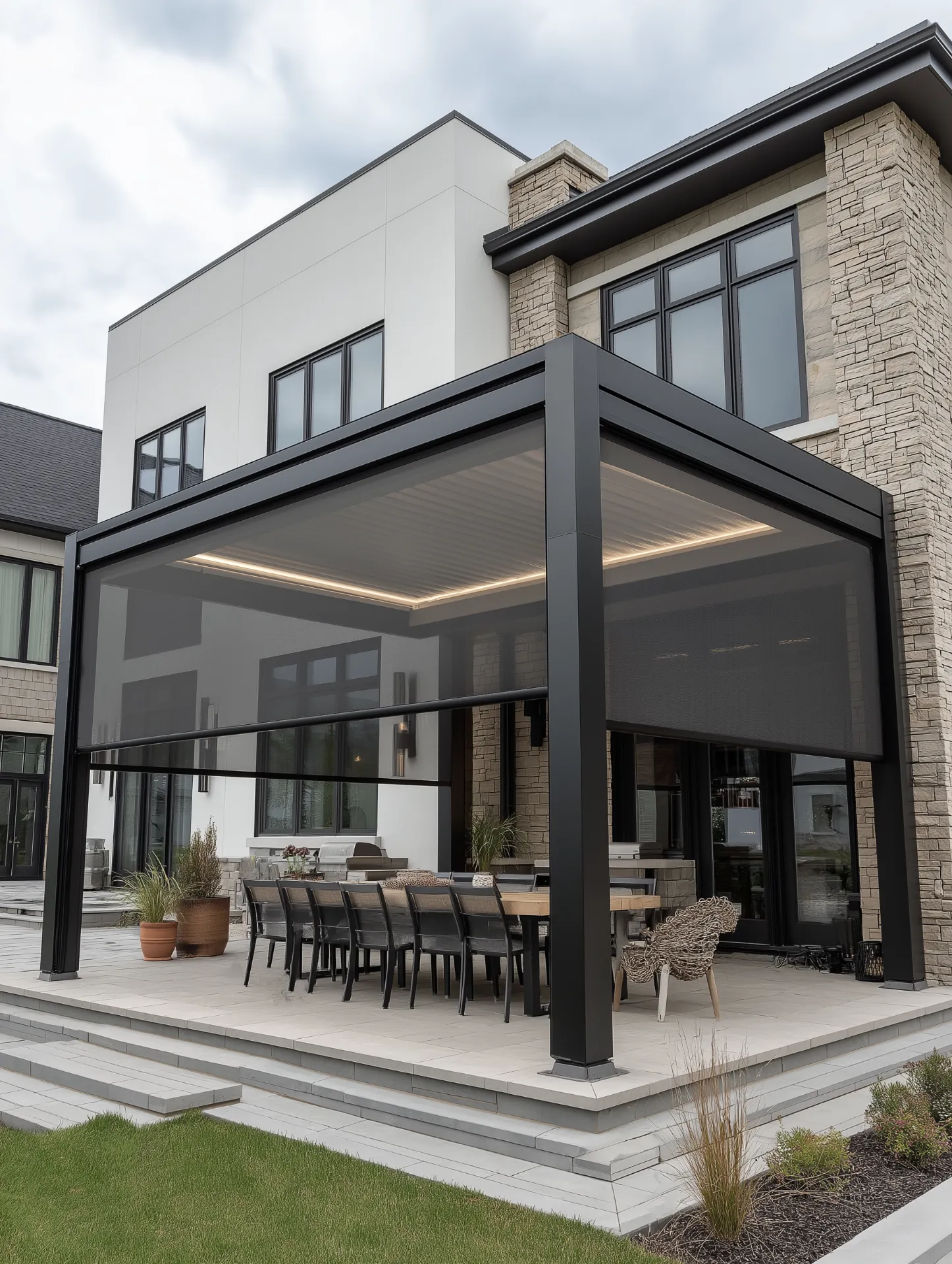
Solar shade (3%)
The glare-and-heat answer for a west- or south-facing door. You keep the view of the yard and lose the squint. Up to 115" wide in one piece.
But: No privacy at night with the lights on.
- 3
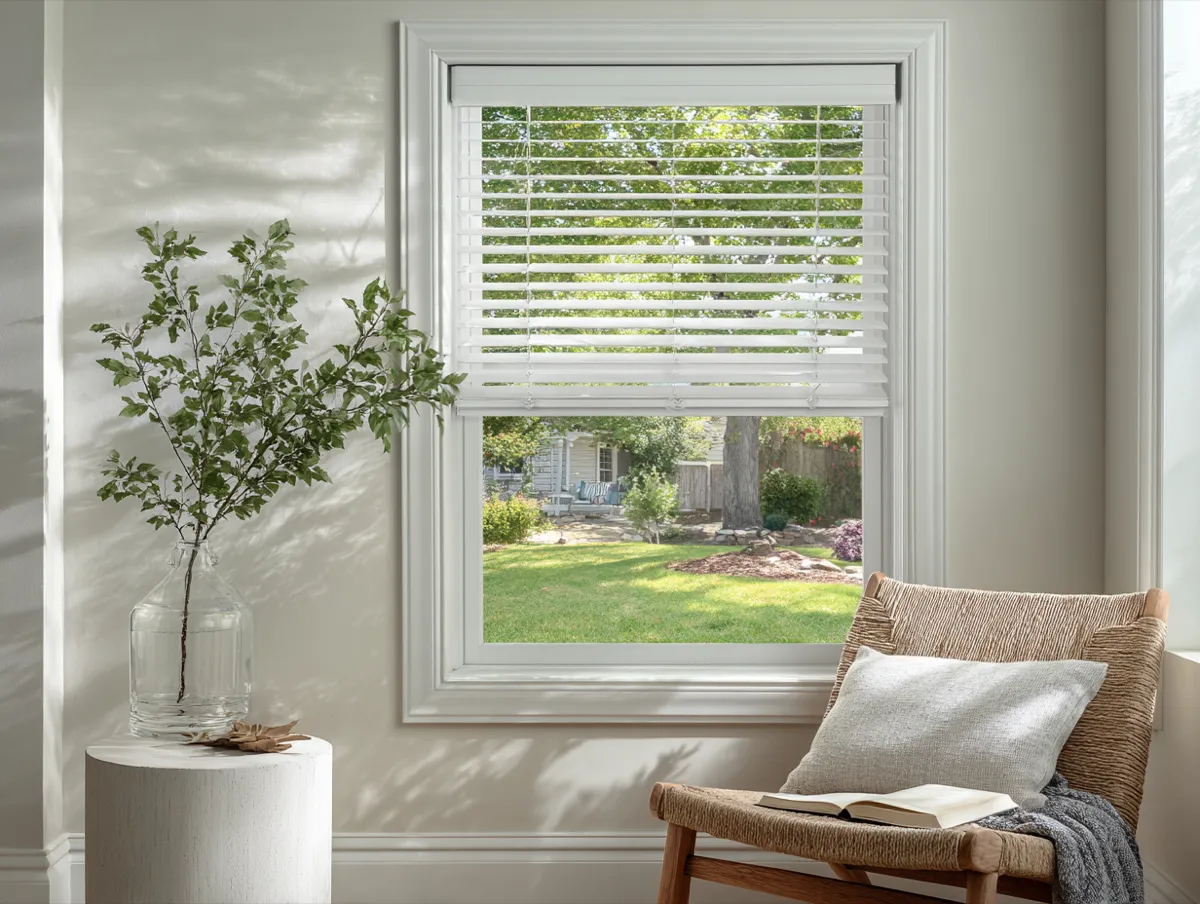
Blackout roller shade
For a bedroom or media-room door. Total darkness when down, a clean panel when up; add side channels to seal the edges.
But: No view when it's down — it is either open or dark.
- 4
Cellular shade
The insulating choice for a door that makes the room cold in winter and hot in summer. Soft light through the honeycomb, cordless.
But: Stacks thicker than a roller when raised; 96" maximum width.
- 5
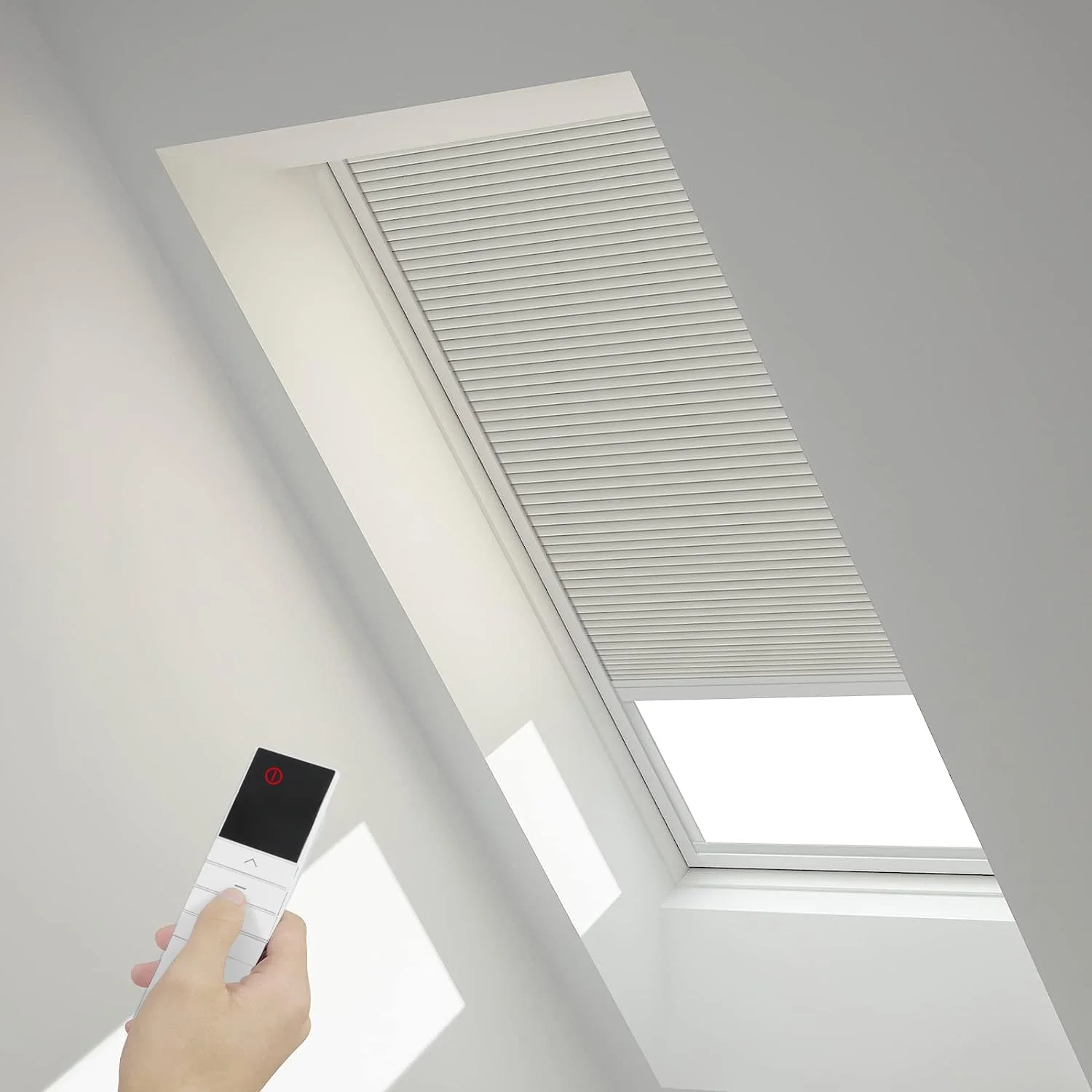
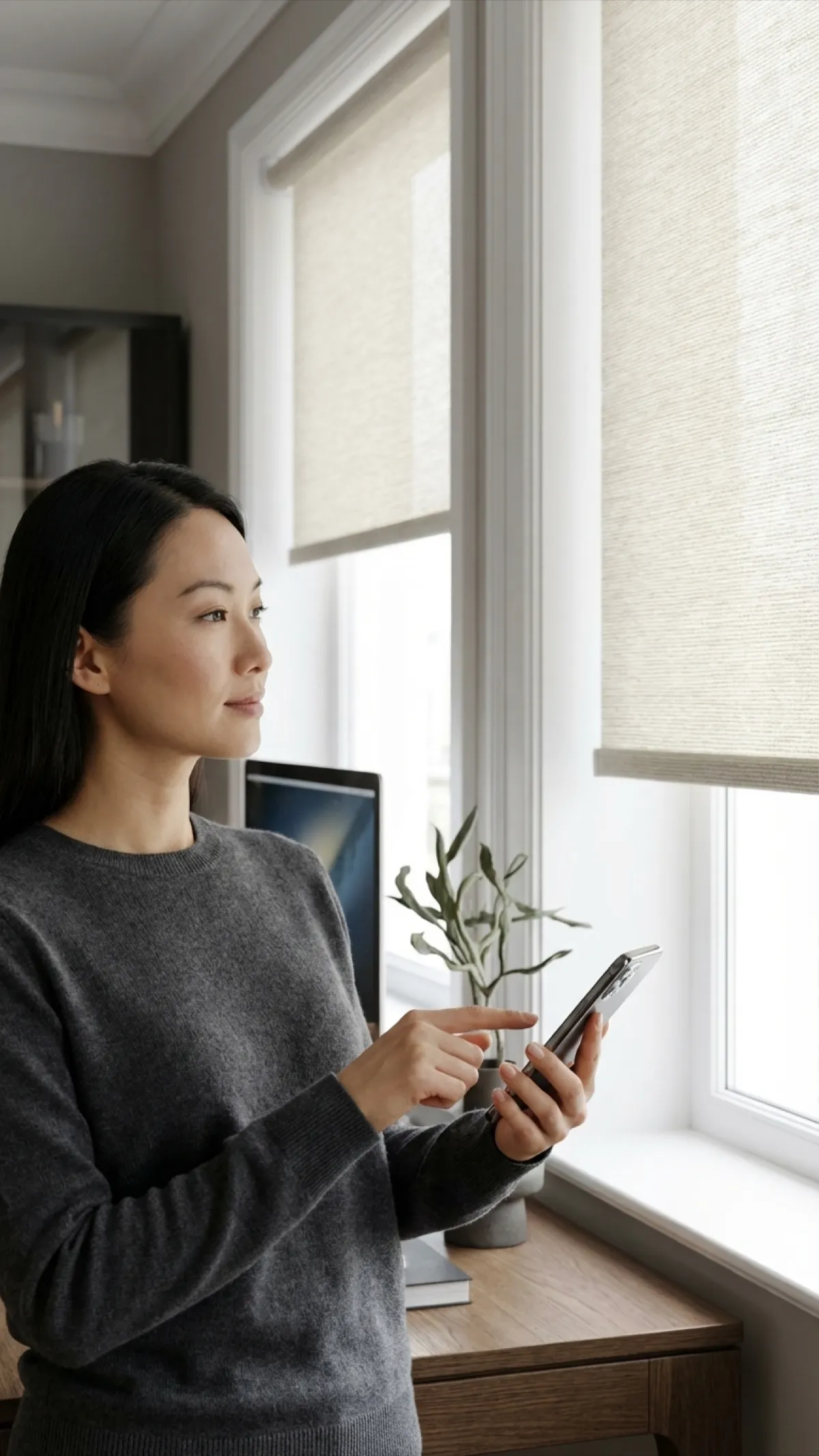
Motorized roller shade
Any roller or solar fabric with a battery or solar-panel motor and a remote — the right call for a door you open twenty times a day or a shade wider than 72".
But: The motor and remote are extra; that's the whole difference.
Verticals vs the alternatives
| Vertical blinds | Roller-type alternatives | |
|---|---|---|
| View out with privacy in | No — open or closed | Zebra: yes. Solar: by day |
| Noise when the door opens | Vanes swing and clack | None |
| Pets and children | Vanes bend and detach; chains | Cordless fabric panel |
| Walking through with blind closed | Yes — vanes part | No — raise the shade |
| Widest single unit | 240" | 115" (roller/solar), 96" (zebra/cellular) |
| Blackout option | Room-darkening only | Blackout roller, blackout cellular |
| Motorized | Yes | Yes |
When verticals are still right
Two cases. First, you want to go through the door with the blind closed — verticals part; a shade has to be raised. Second, the opening is wider than one roller can span: our fabric vertical blinds run from 50" to 240" in one unit with centre, left or right opening. Fabric vanes are also quieter and softer than the PVC verticals most people are replacing.
Mounting a shade over a door
Outside mount above the frame, 2" or so wider each side, with the reverse-roll option so the fabric clears the handle and a cassette so the roll sits above the opening. Measure the height from the bracket line to just below the sill so the shade covers the glass fully. The sliding-door measuring guide walks through it with the numbers.
What a roller-type shade fixes
No clatter
Nothing swings when the door opens or the HVAC kicks on. A fabric panel just hangs.
Real light control
Verticals are open or closed. Solar and zebra fabrics give you a middle that keeps the view.
Pets and kids
No vanes to chew, bend, or pull off the carrier. Cordless by default, motor optional.
Clear opening
Raised, the shade sits above the door in a cassette. Verticals stack beside it and still hang in the way.
Window Treatments for Sliding Glass Doors FAQ
Replacing vertical blinds, answered
What is the best alternative to vertical blinds for a sliding glass door?
For most homes, a zebra blind: it gives a view through the sheer bands by day, closes for privacy at night, and raises clear of the door. If glare is the main problem, a 3% solar shade. If the door is in a bedroom, a blackout roller shade. The cards above are priced for a 36" × 60" reference; enter your door size for the live price.
How do you mount a roller shade over a sliding door?
Outside mount on the wall or trim above the frame, with the shade a couple of inches wider than the frame on each side. Choose the reverse-roll option so the fabric clears the handle and lock, and a cassette so the rolled-up shade sits neatly above the opening.
Can one shade cover a whole sliding door?
Yes, up to 115" wide for roller and solar shades and 96" for zebra and cellular. Standard two-panel doors are 60"–72" wide, so a single shade is the usual choice. Only very wide openings need two.
Do I lose the ability to use just one door panel?
With a single shade you raise the whole door at once. If you always use one panel, order two shades side by side so you can lift just that one — the join sits on the meeting rail of the two panels.
When are vertical blinds still the better choice?
When you want to walk through the door with the blind closed — verticals part in the middle or to one side without lifting. Our fabric vertical blinds are made from 50" to 240" wide, with centre, left or right opening, so very wide openings that a roller can't span in one piece are also a case for verticals.
Which alternative is cheapest?
At the same size, roller, solar, zebra and cellular are all within a few percent of each other; motorized adds the motor and remote. The real cost difference is in options — cassette, side channels, motor — not the product type. Price your exact door in the configurator to compare.
Get Exclusive Offers & Inspiration
Sign up for our email list for exclusive deals and design inspiration.