
Solar Shades for Sliding Glass Doors
A patio door is the biggest pane of glass in the house and usually faces the afternoon sun. Solar screen fabric tames the glare and heat without hiding the yard — and never rattles when the door opens.
Read moreExplore more Blinds & Shades


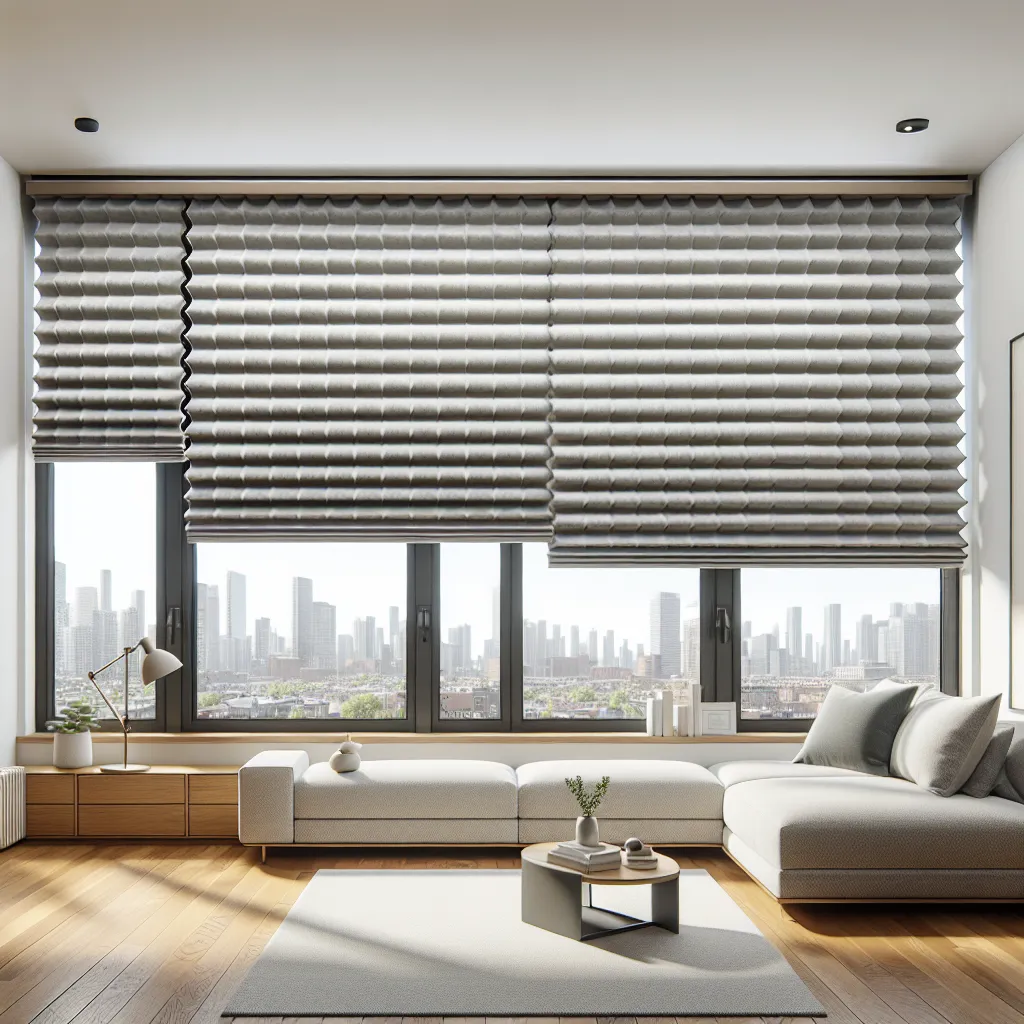

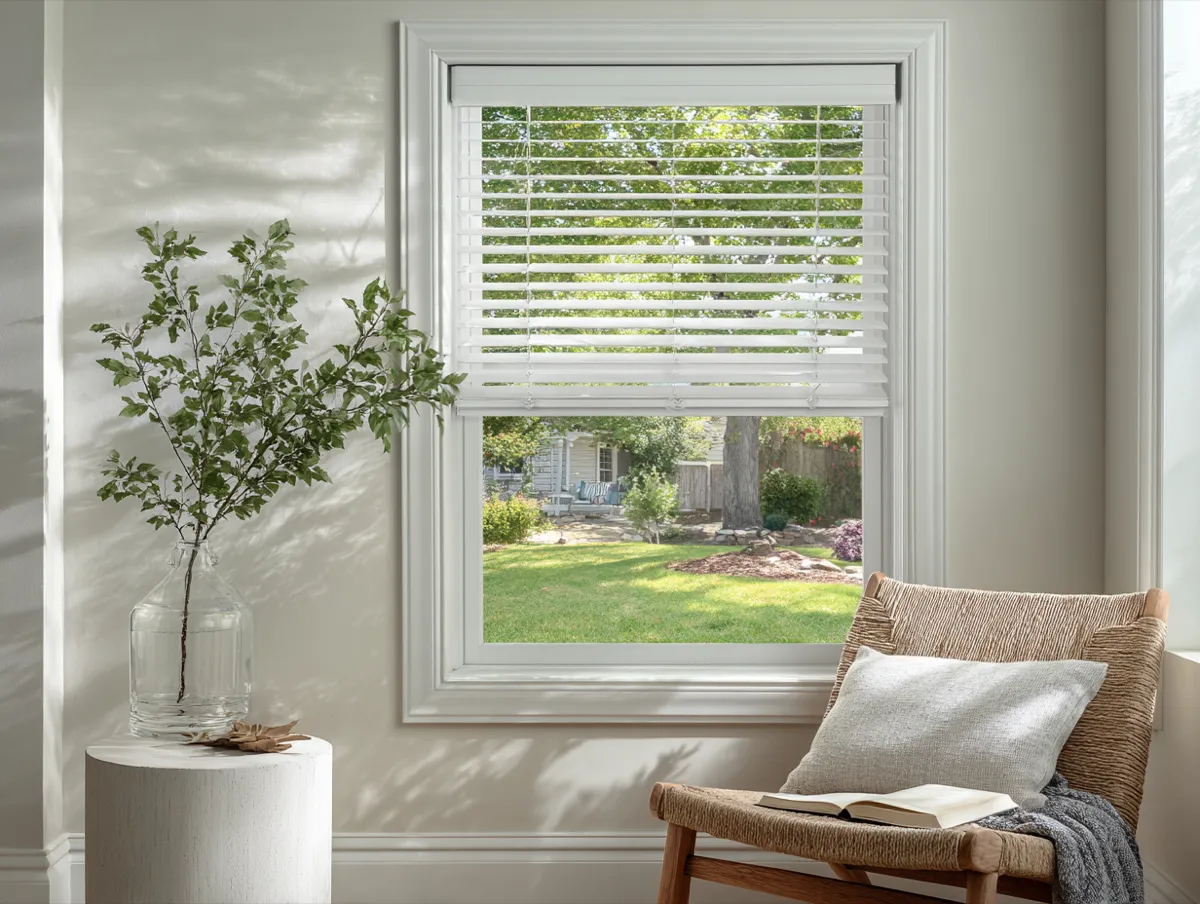
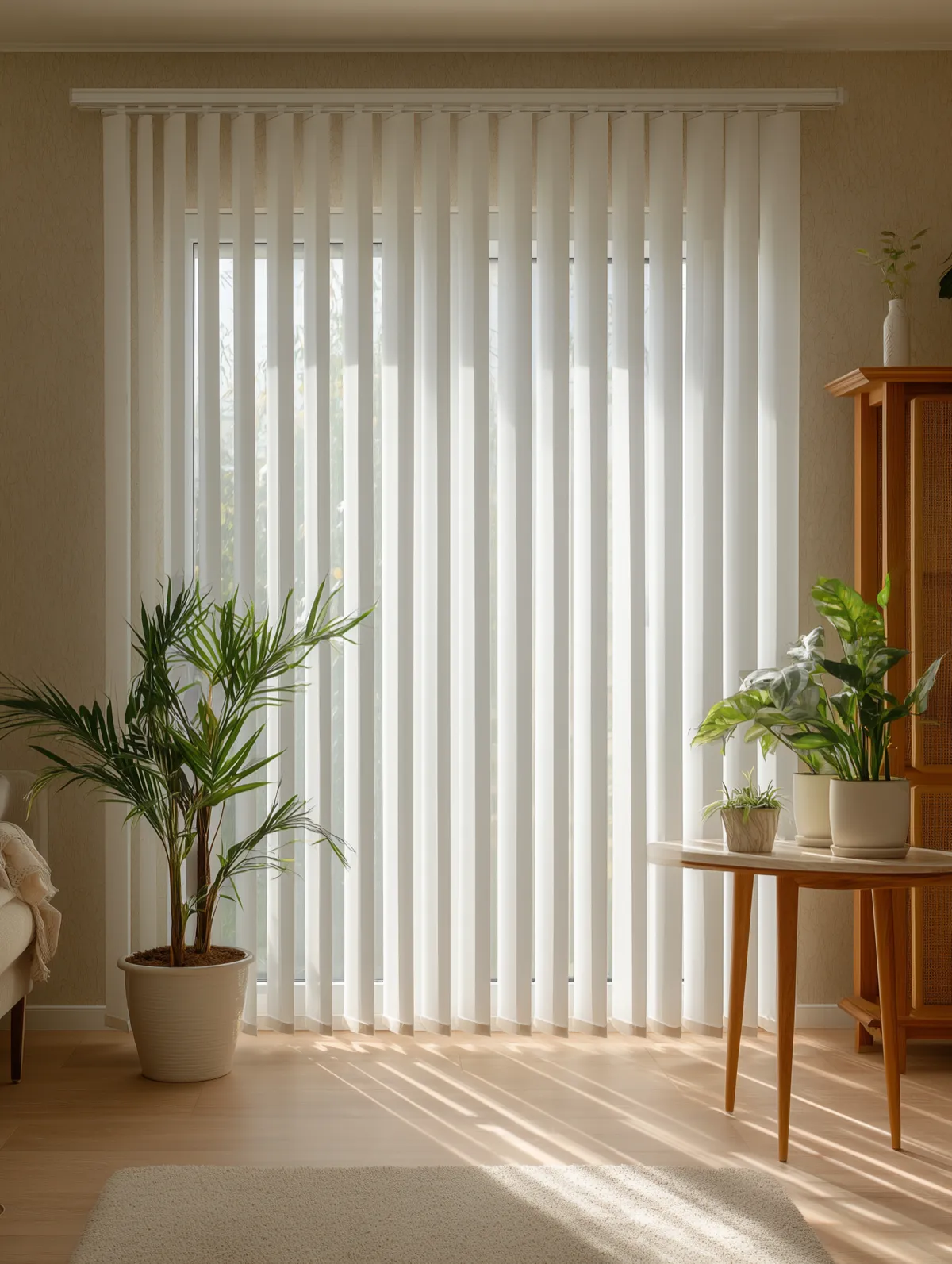
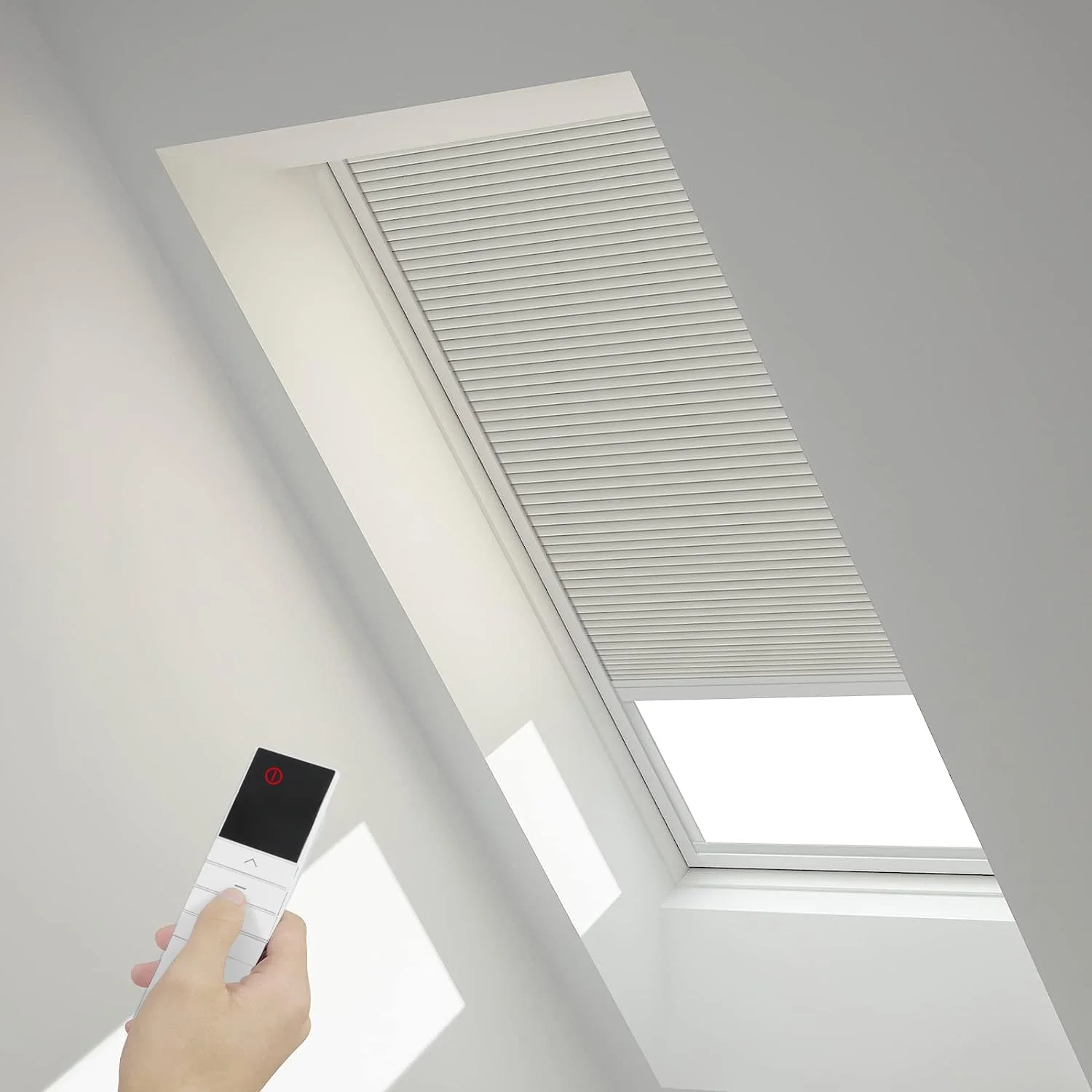
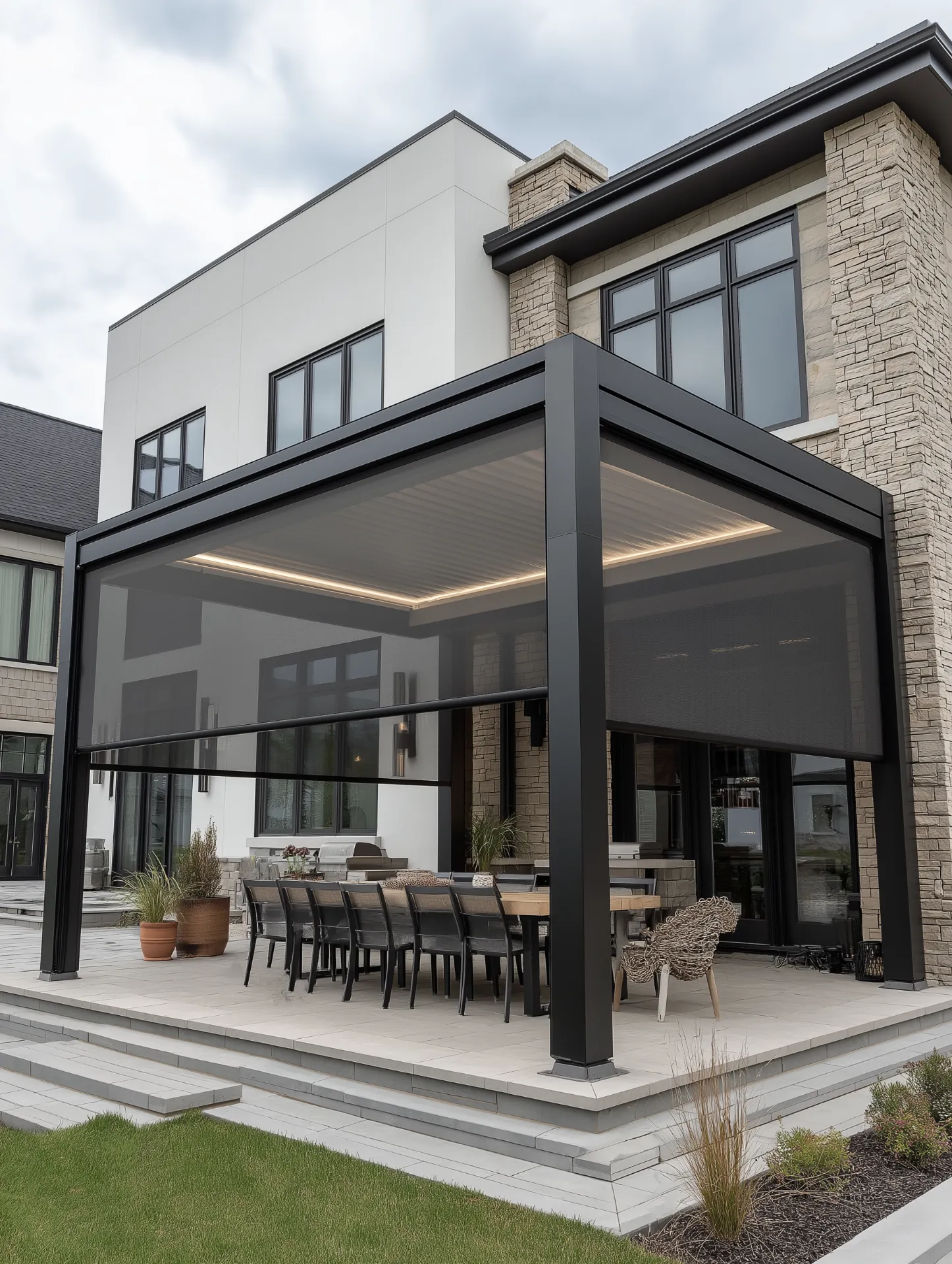
4 Products




 +113
+1133% Openness Solar Shades
$85.80for 36" x 48"
Free Shipping · Made to Measure
 +113
+1131% Openness Solar Shades
$47.99for 24" x 36"
Free Shipping · Made to Measure
 +113
+1135% Openness Solar Shades
$85.80for 36" x 48"
Free Shipping · Made to Measure

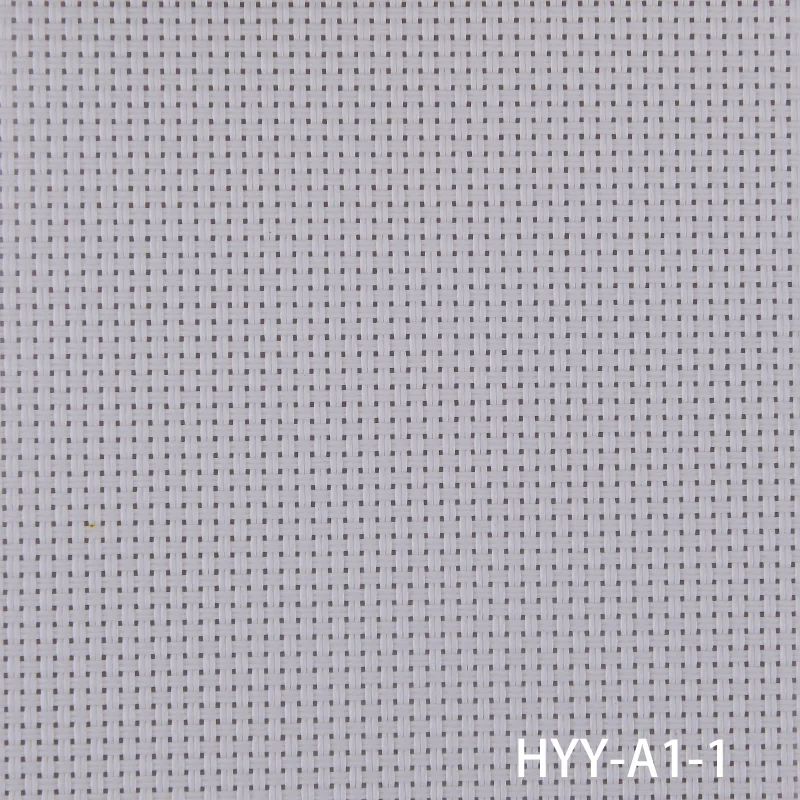
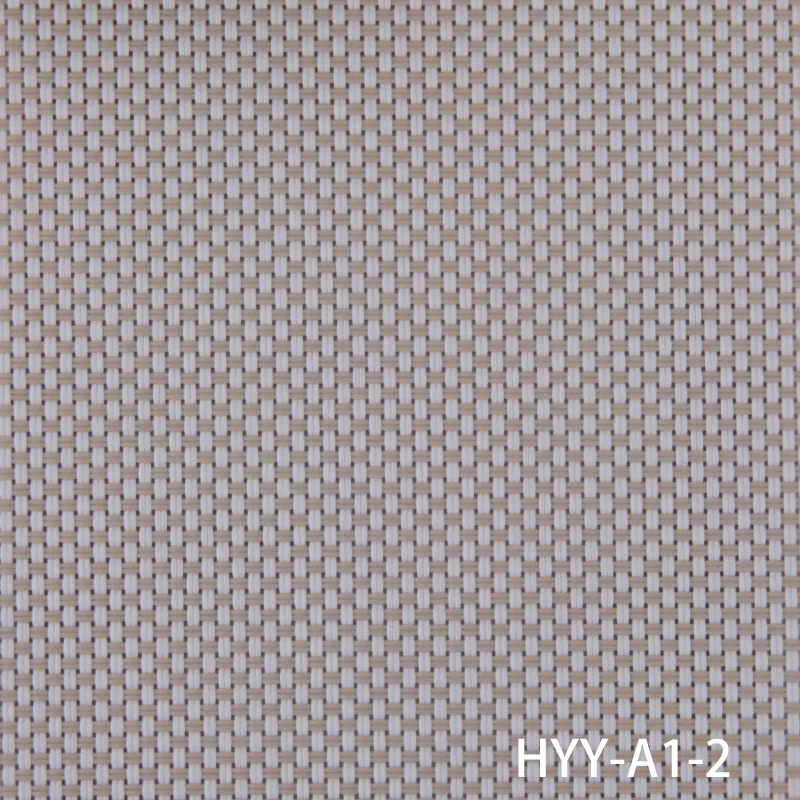 +98
+98Motorized Solar Shades
$100.14for 24" x 36"
Free Shipping · Made to Measure
Choose with a little more clarity
Not sure which shade to choose?
Compare a live-priced shortlist by room, light and operation. No login or email needed.
How to configure a solar shade for a patio door
- Outside mount, above the frame. Measure the width you want covered — the frame plus about 2" each side — and the height from where the bracket will sit to just below the sill. Enter those as-is; the shade is made to the numbers you give.
- One shade or two. Up to 115" wide is one shade. If you only ever open one panel, two shades let you raise that side alone. Split shades meet in the middle with a thin light line; a single shade has none.
- Reverse roll. Tick it. The fabric then drops from the front of the tube and clears the handle and lock without touching them.
- Cassette. A small or big metal cassette hides the roll above the door and stops light spilling over the top of the tube. On a door most people take it.
- Motor. A door shade is raised every time someone goes out. Over 72" wide a rechargeable-battery motor and remote pays for itself in not fighting a heavy roll; add the smart-home remote if you want it on a schedule or a voice assistant.
Which openness for a door
Doors are large and usually face the garden, so glare is the complaint far more than privacy. 3% is the default. Go to 1% when the door faces west and the room has a screen or a sofa in the afternoon sun. Go to 5% only when the door faces north or east and the view is the reason the door is there. The full comparison is on the openness guide.
Night privacy is the catch
A solar shade is a screen; whichever side is brighter is the side that gets seen. After dark that is you. If the door faces a neighbour or the street, either layer a room-darkening roller behind it, or choose a zebra blind, which gives the daytime view and closes for night privacy from one shade.
Why solar beats vertical blinds on a door
Glare without the blackout
Cuts the low sun that washes out the TV and heats the room, while you still see the deck.
Nothing to walk through
Raise it and the door is clear. No vanes to clack, tangle or snap off the carrier.
One shade to 115"
Most two-panel doors (60"–72") take a single shade. Wider openings take two shades or a motorized one.
Motor for the daily up-and-down
A door shade moves more than any window shade. A rechargeable-battery motor and remote make it a button press.
Solar Shades for Sliding Glass Doors FAQ
Sliding-door solar shades, answered
Should I use one wide shade or two on a sliding door?
One shade if the door is up to about 96" wide — it looks cleaner and there is no light line in the middle. We make a single solar shade up to 115". Two shades make sense when you use one panel of the door far more than the other and want to leave the other shaded, or when the opening is wider than 115".
Inside mount or outside mount on a patio door?
Outside mount, above the frame, almost always. Door frames are shallow and the shade would foul the handle and the lock on an inside mount. Mounting on the wall or trim above the door also lets the rolled-up shade sit clear of the opening.
What about the door handle?
Choose the reverse-roll option. The fabric then comes off the front of the tube instead of the back, holding it an inch or so further from the glass and clear of the handle and lock.
Which openness for a sliding glass door?
3% for most doors. 1% if the door faces west and the afternoon glare is the whole problem. 5% only for north- or east-facing doors where you want the maximum view. See our openness guide for the full comparison.
Do solar shades give privacy at night?
No — with lights on inside, any screen fabric can be seen through from outside. If the door faces a neighbour or the street, pair the solar shade with a room-darkening roller on the same headrail plane, or choose a zebra blind, which gives daytime view and night privacy from one shade.
How high does the shade stack when it's up?
A 96"-tall solar shade rolls into a tube a few inches in diameter. Mounted above the frame with a cassette, the whole roll sits over the door head rather than in the opening, so a standard 80" door stays fully usable.
Can I get an exterior solar shade for the outside of the door?
Yes. The exterior solar shade uses a heavier screen and hardware rated for outdoors and stops the heat before it reaches the glass — the most effective option for a west-facing door, and it is on the cards above.
Get Exclusive Offers & Inspiration
Sign up for our email list for exclusive deals and design inspiration.