
Zebra Blinds vs Roller Shades
They hang from the same kind of tube and cost about the same. The difference is what happens when you want light in but eyes out — and what happens when you want the room black.
Read moreExplore more Roller Shades


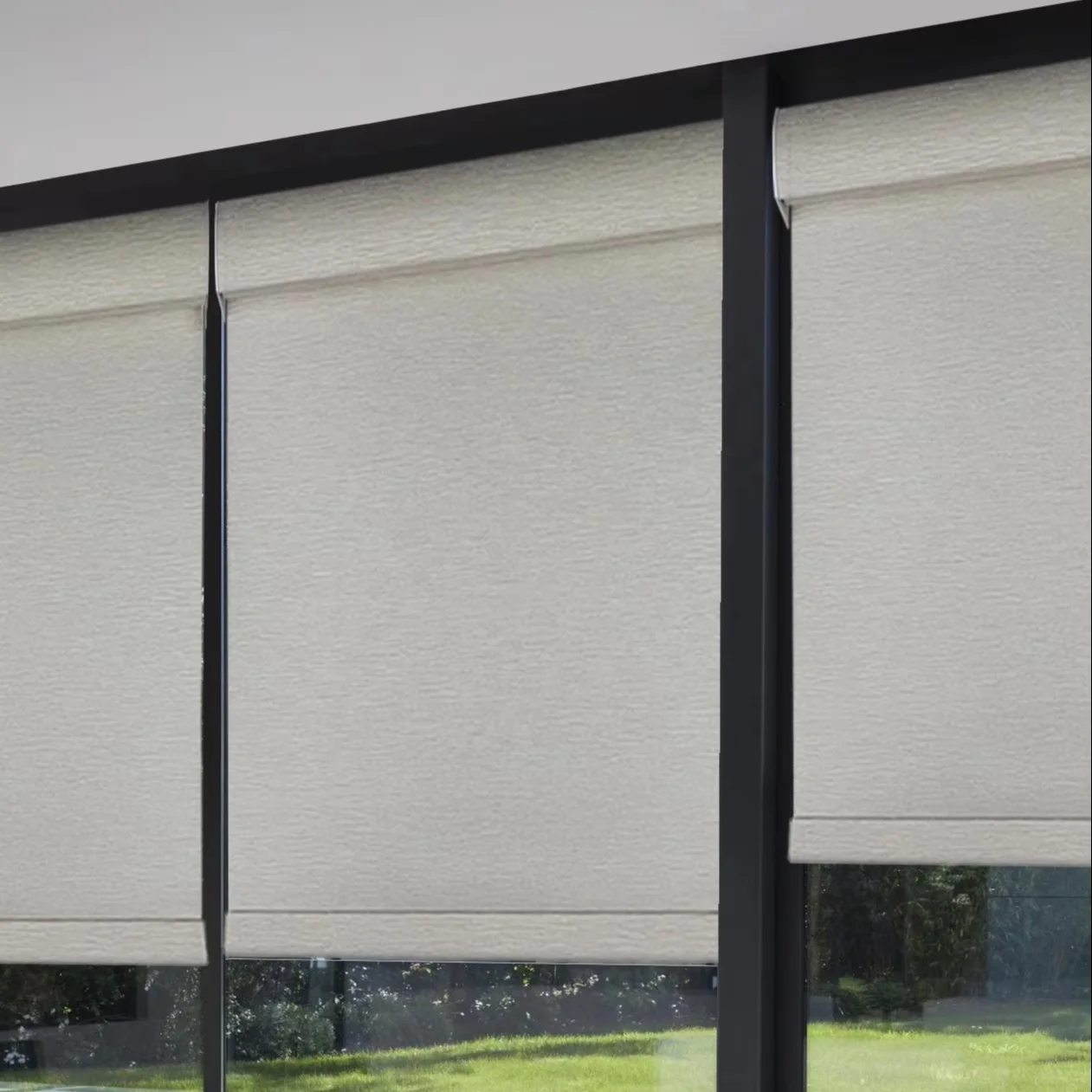

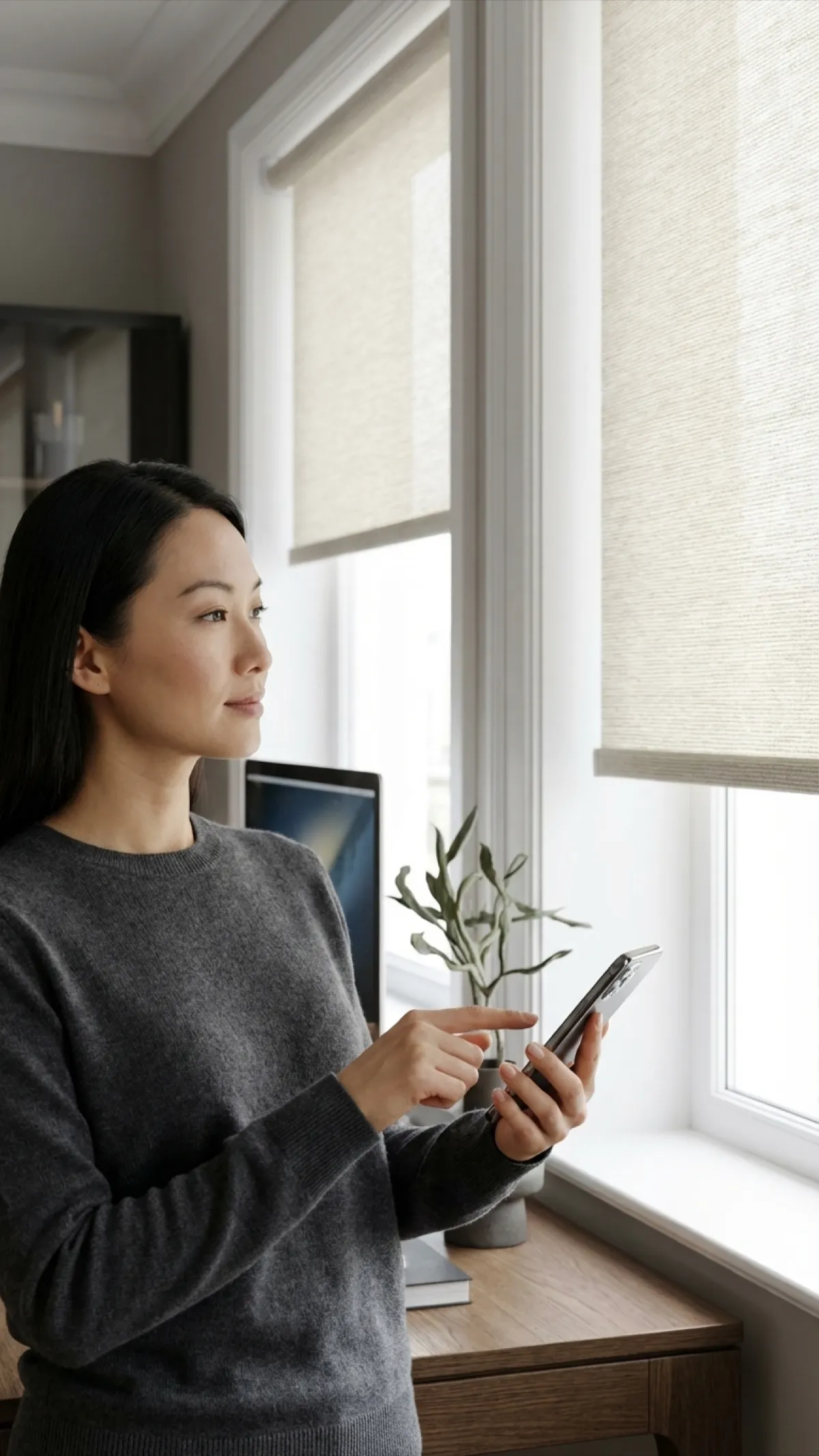
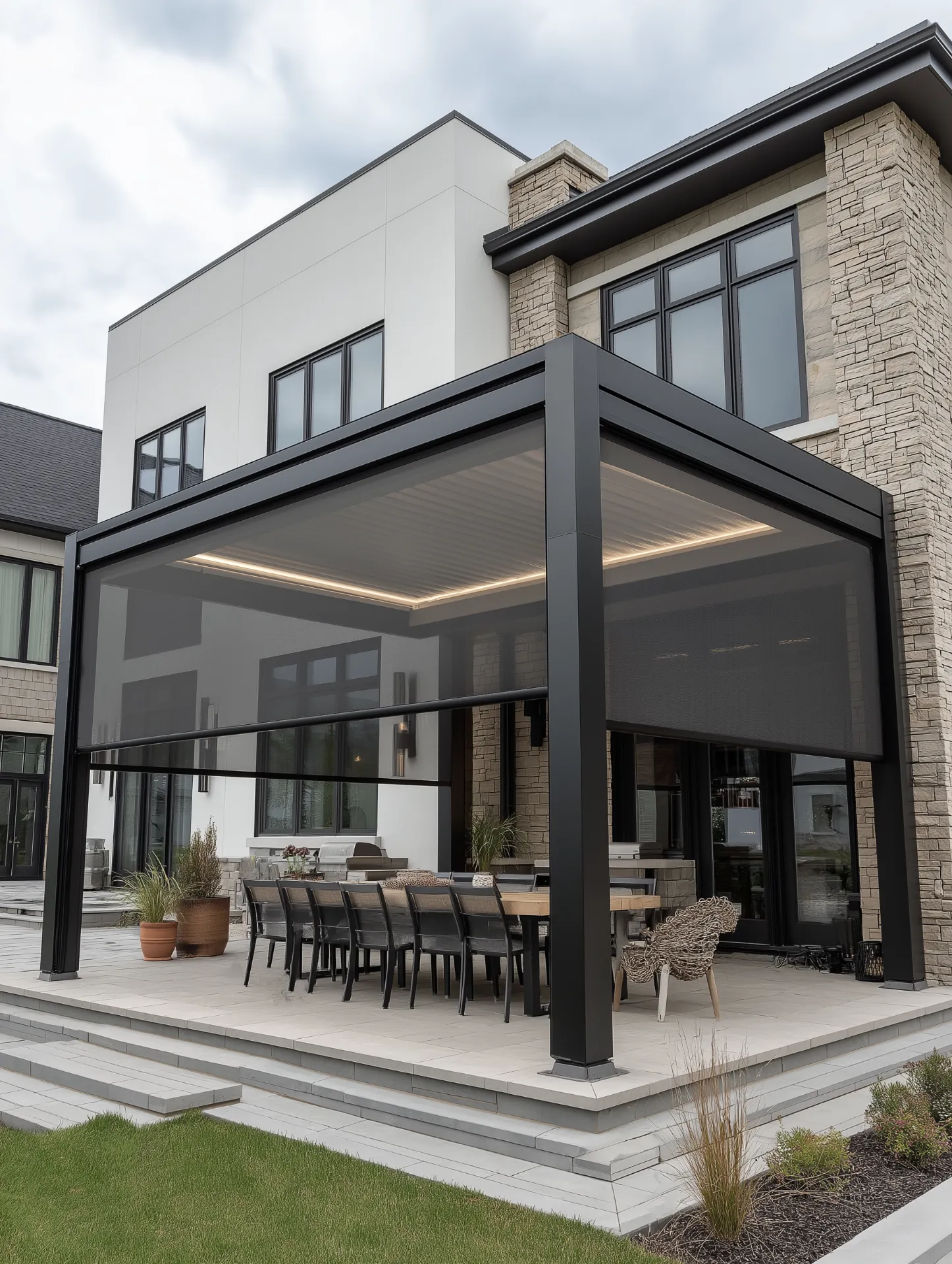
Choose with a little more clarity
Not sure which shade to choose?
Compare a live-priced shortlist by room, light and operation. No login or email needed.
Pick a zebra blind if…
- You want to see out during the day without the neighbours seeing in
- The room is a living room, kitchen, office or dining room
- You raise and lower shades rarely and adjust light often
- You like a bit of texture at the window
Pick a roller shade if…
- You need the room dark — bedroom, nursery, media room
- The window is wider than 96"
- You want the flattest, plainest look and the easiest cleaning
- You want solar-screen fabric for glare (a roller-shade fabric family)
Side by side
| Feature | Zebra blinds | Roller shades |
|---|---|---|
| How it works | Two layers of alternating sheer and solid bands on a continuous loop; align or offset them | One flat panel of fabric on a tube; raise or lower it |
| Light control | Filtered light with the bands offset; soft privacy with them aligned | Set by the fabric you choose: light-filtering, room-darkening or blackout |
| Privacy at night | Good with bands aligned; must be closed after dark | Blackout fabric: complete. Light-filtering: silhouettes visible |
| True blackout | Not possible | Yes, and side channels seal the edges |
| View outside | Yes, through the sheer bands while keeping some privacy | Only with the shade raised or a light-filtering fabric |
| Maximum width | 96" | 115" |
| Cleaning | Vacuum on low; dust settles between the layers | Wipe with a damp cloth |
| Motorized / smart home | Yes | Yes |
| Best rooms | Living room, kitchen, home office, dining | Bedroom, nursery, media room, bathroom |
The one thing zebra can’t do
Go dark. A zebra fabric is half sheer by construction; when the solid bands line up they overlap the sheer ones, but the sheer layer is still there and still passes light. Room-darkening zebra fabrics get close enough for a living room at night. They do not get close enough for someone who sleeps during the day. That job belongs to a blackout roller with side channels.
The one thing roller can’t do
Give you the view and privacy at the same time. A roller shade is either up (view, no privacy) or down in whatever opacity you bought. A light-filtering fabric lets a glow through and hides detail; a solar screen keeps the view by day and gives none of the privacy at night. Zebra’s offset position is the only one of the two that lets you look out through the sheer bands while the solid bands break up the view in.
Same hardware, same options
Both mount inside or outside the frame, both are cordless as standard, both take a metal cassette or fabric-wrapped valance, side channels, reverse roll, and the same motor and remote choices. So the decision really is just fabric behaviour — which is why the table above is short.
The four things that decide it
Daytime view + privacy
Zebra: yes, in one position. Roller: pick either a light-filtering fabric (view, less privacy) or a blackout one (privacy, no view).
Blackout
Roller wins outright. Zebra's sheer bands always pass some light, even fully closed.
Cleaning
Roller is a flat panel you wipe. Zebra's two-layer loop collects dust between the layers — vacuum on low.
Kids and pets
Both are cordless by default and both can be motorized. A pet that swats the fabric will find zebra's loop more tempting.
Zebra Blinds and Roller Shades FAQ
Zebra vs roller, answered
Can you see through zebra blinds at night?
With the solid bands aligned (closed), a room-darkening zebra fabric gives privacy comparable to a light-filtering roller shade: silhouettes are not visible, but the shade glows. With the bands offset (open), yes — at night the sheer bands show movement inside, so close them after dark.
Which is cheaper, zebra blinds or roller shades?
At the same size they are close. The cards above show the real starting price of each at 36" × 60"; the configurator prices your exact window. Options like a metal cassette, side channels or a motor cost the same on either.
Can zebra blinds be blackout?
No. Even a room-darkening zebra fabric has sheer bands, so a small amount of light always passes when they are aligned. If a dark room matters, choose a blackout roller shade — with side channels if you want the edges sealed too.
Are zebra blinds good for sliding glass doors?
Yes, up to 96" wide per shade. Over that, use two shades side by side or a roller shade, which we make up to 115" wide. Mount above the frame (outside mount) so the stack clears the door when it is fully raised.
Can both be motorized?
Yes. Both take the same rechargeable-battery or solar-panel motor and the same remotes, including a smart-home-compatible remote for Alexa, Google Home or a hub.
Which looks more modern?
Roller shades are the plainer, flatter panel — the minimalist choice. Zebra reads as more textured because of the banding; it suits rooms where the window is the feature rather than the backdrop.
Get Exclusive Offers & Inspiration
Sign up for our email list for exclusive deals and design inspiration.