1%, 3% or 5% Solar Shades?
Openness is simply how much of the weave is hole. Lower number, tighter weave, more sun blocked, less view. Higher number, the reverse. Here is how to pick without guessing.
Read moreExplore more Roller Shades



4 Products

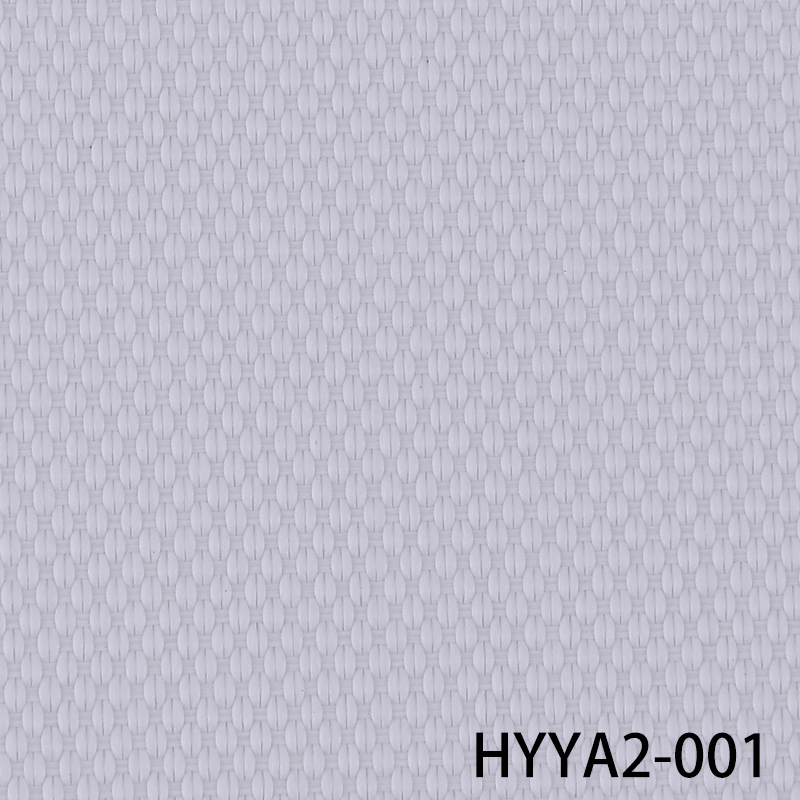
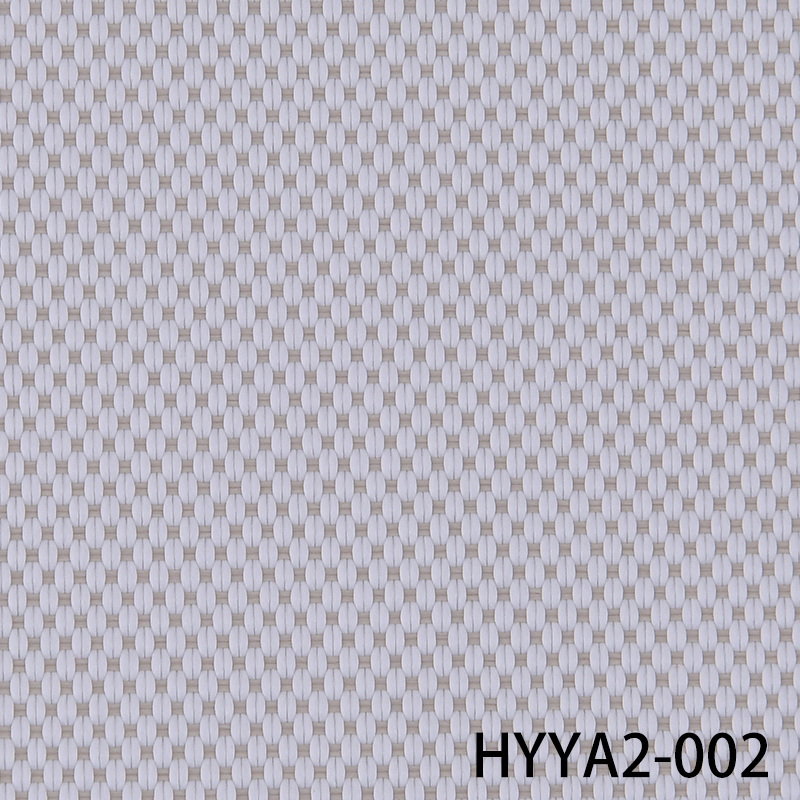 +113
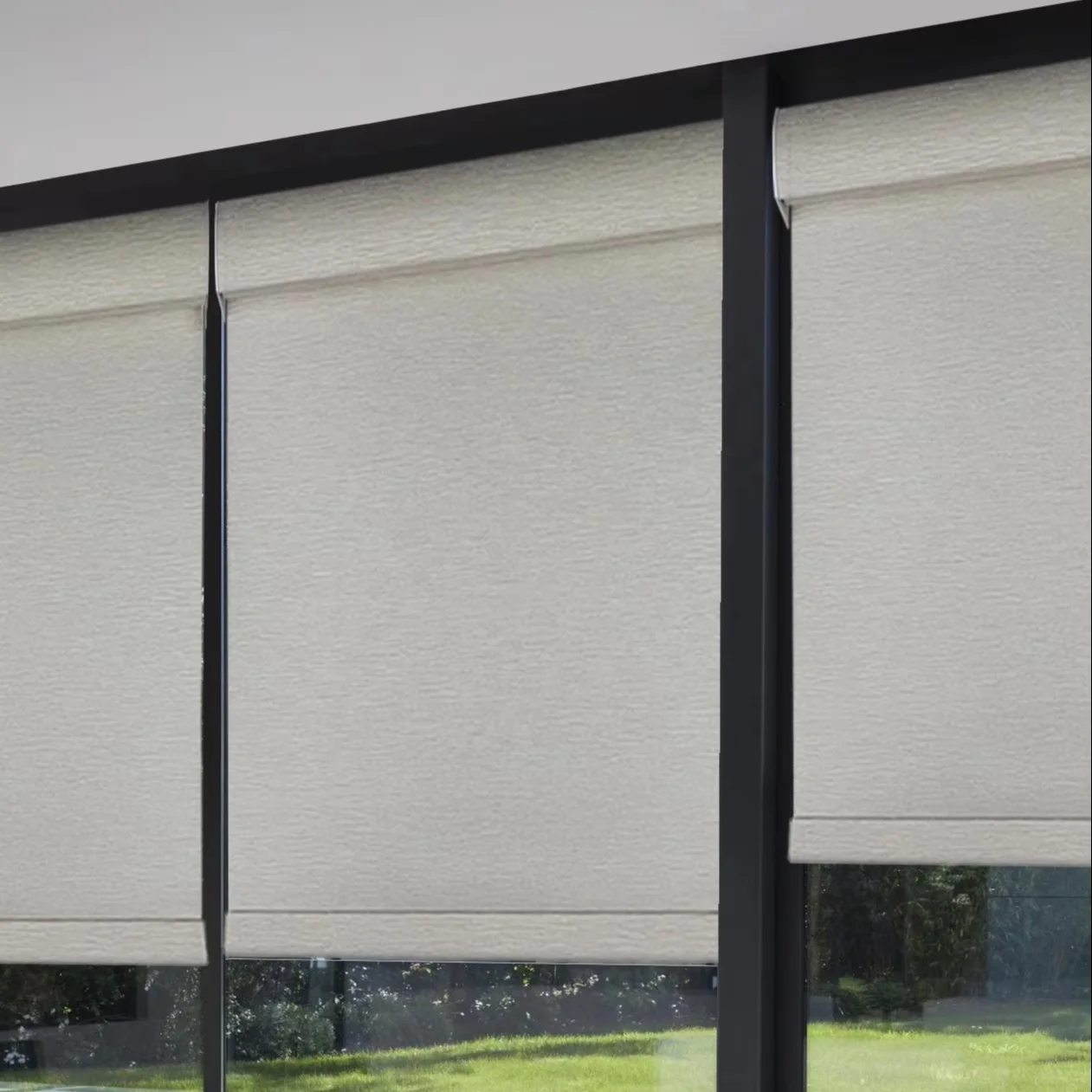
+1131% Openness Solar Shades
$47.99for 24" x 36"
Free Shipping · Made to Measure
 +113
+1133% Openness Solar Shades
$85.80for 36" x 48"
Free Shipping · Made to Measure
 +113
+1135% Openness Solar Shades
$85.80for 36" x 48"
Free Shipping · Made to Measure

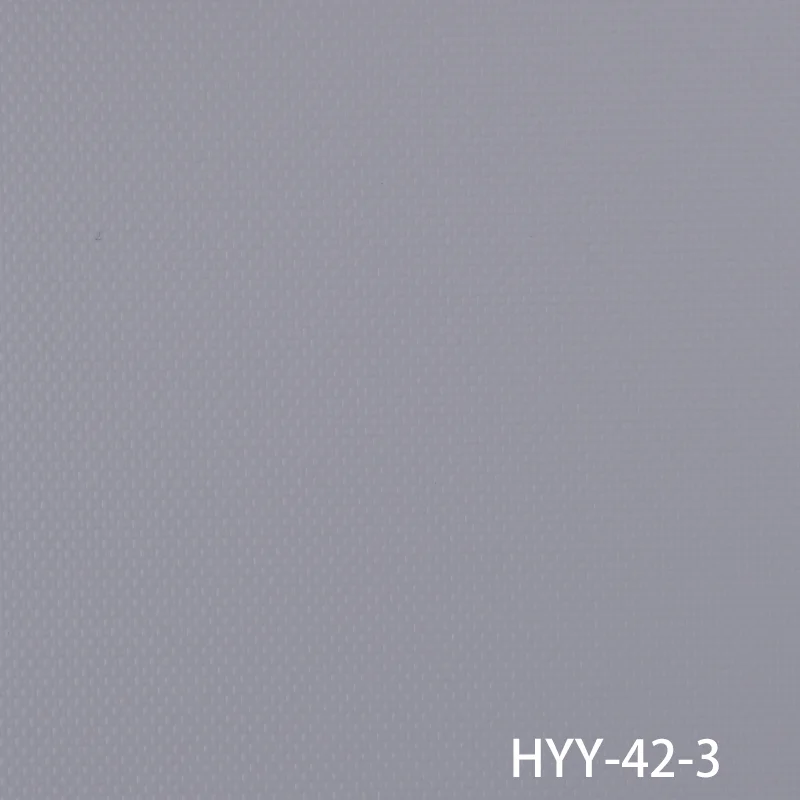
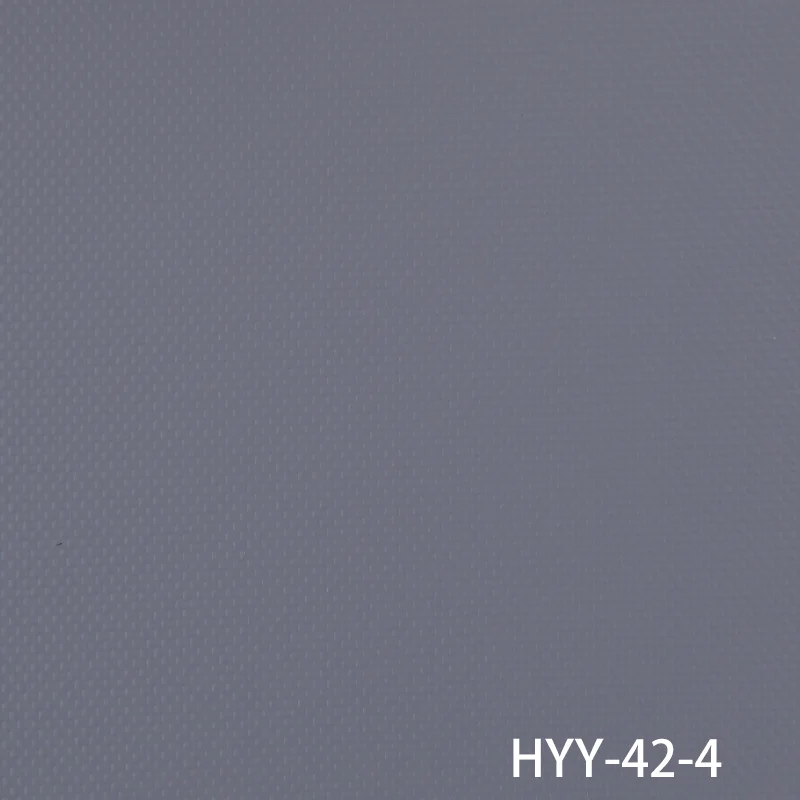
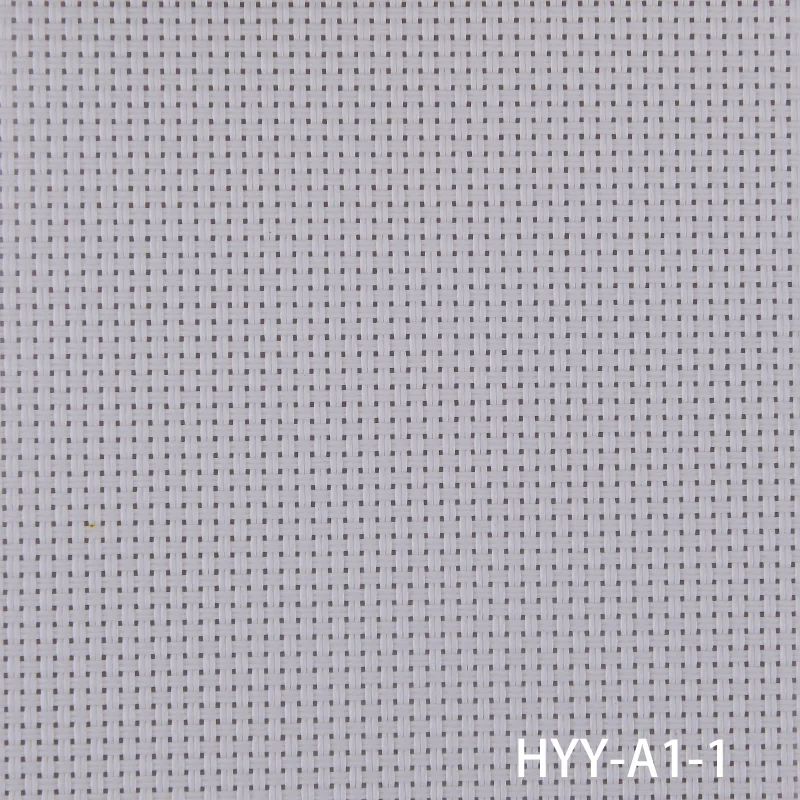
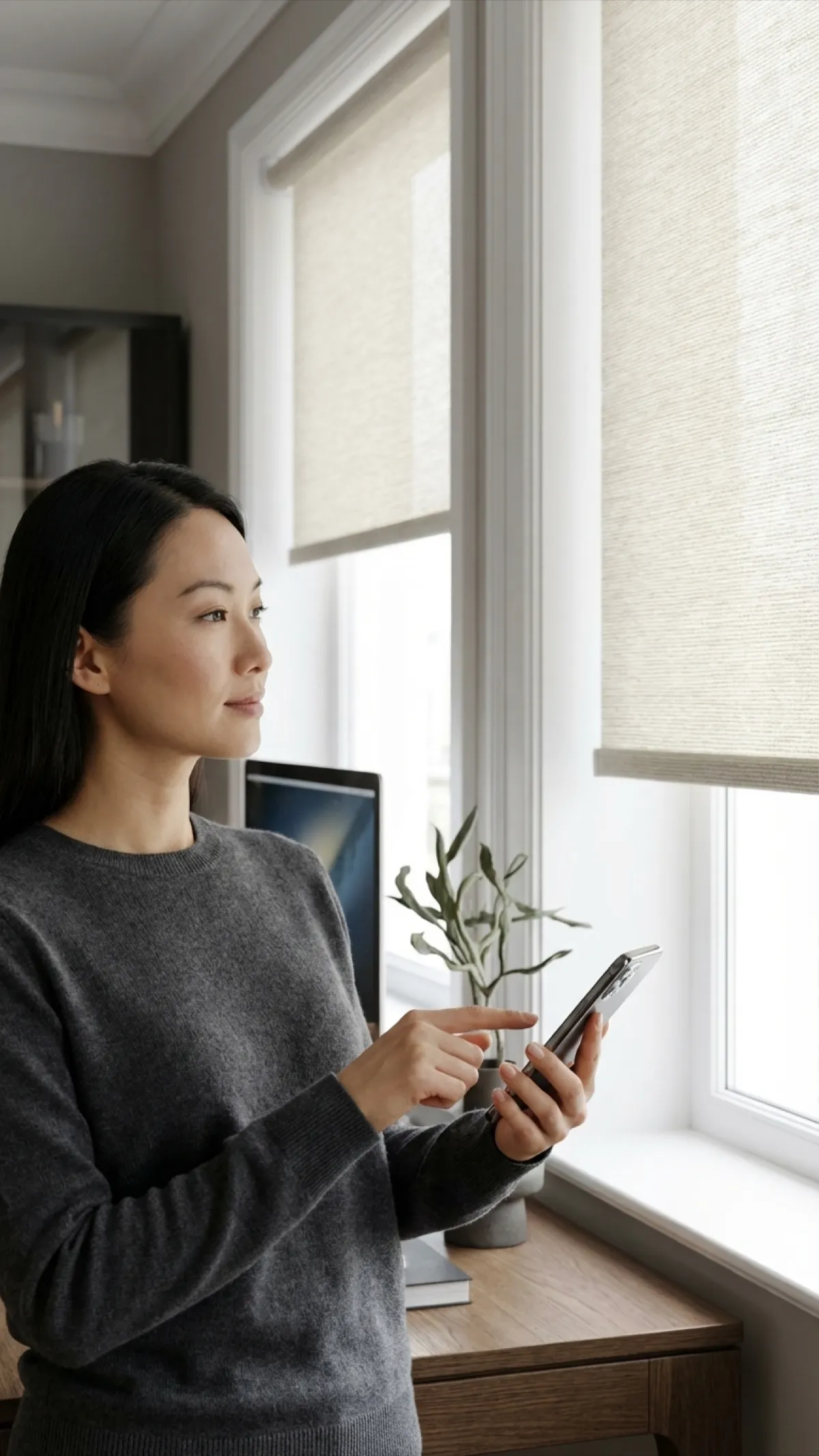
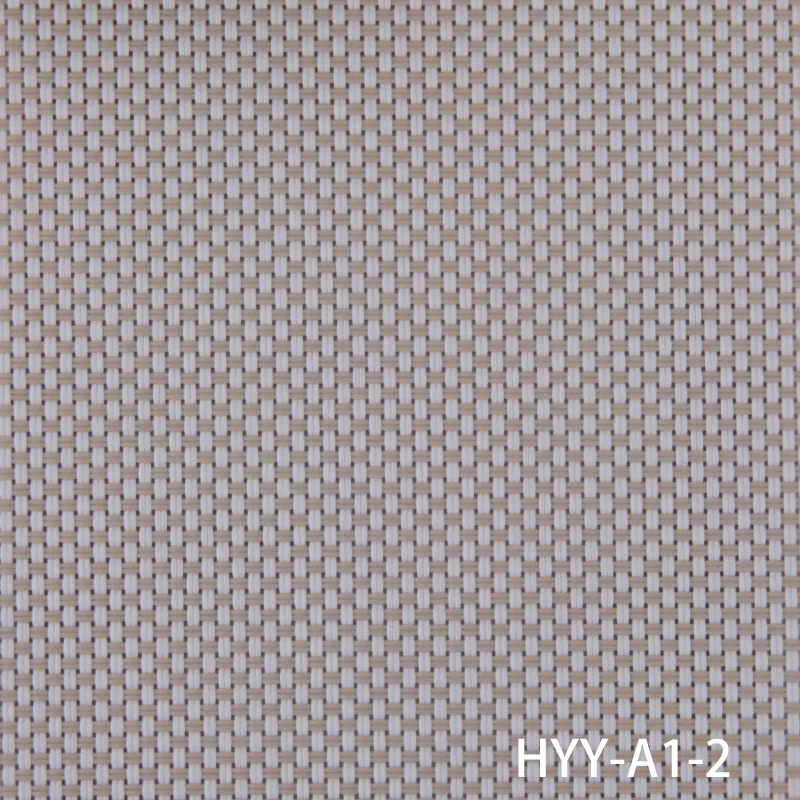 +98
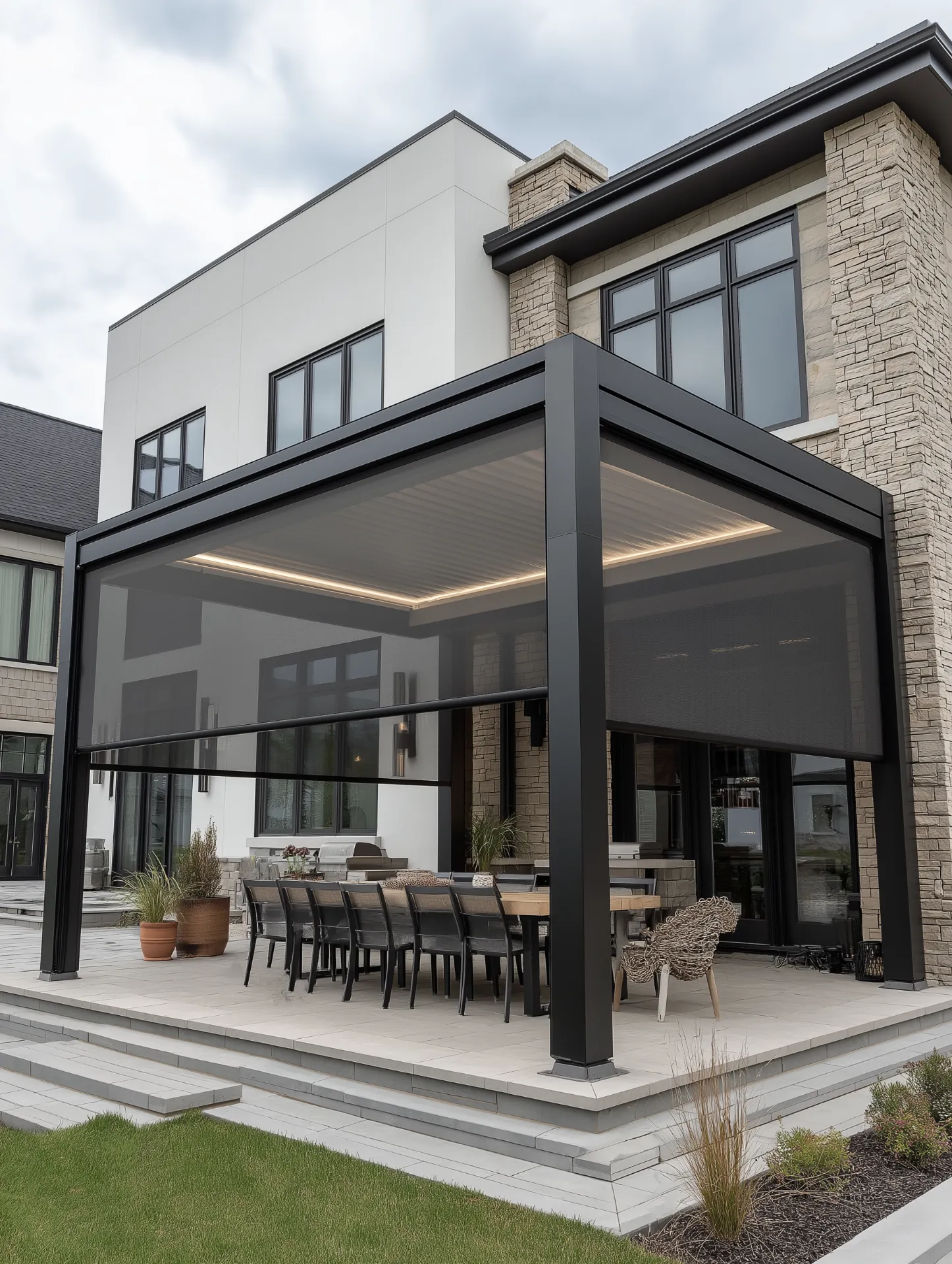
+98Motorized Solar Shades
$100.14for 24" x 36"
Free Shipping · Made to Measure
Choose with a little more clarity
Not sure which shade to choose?
Compare a live-priced shortlist by room, light and operation. No login or email needed.
Openness, explained in one paragraph
A solar shade is a roller shade in a woven screen. “Openness” is the percentage of the fabric’s area that is open weave rather than yarn. A 1% fabric is 99% yarn: it stops almost all direct light and most heat, and you see the outside as shapes. A 5% fabric is 95% yarn: more light, more heat, and a view you can actually watch. 3% is the compromise most people land on. None of them is a blackout, and none of them hides you at night once the lights are on.
Decision table
| 1% openness | 3% openness | 5% openness | |
|---|---|---|---|
| Glare reduction | Highest | High | Moderate |
| Heat blocked | Most | Good | Least of the three |
| View through (day) | Shapes and colour | Clear enough to watch the street | Sharpest |
| Daytime privacy | Best | Good | Fair |
| Night privacy (lights on) | None | None | None |
| Best facing | West, south | South, west, east | North, east |
| Best rooms | Sunroom, media room, west office | Living, kitchen, dining, most doors | Rooms where the view is the point |
Can people see in at night?
Yes, at every openness. A screen fabric passes light both ways; whichever side is brighter is the side that gets seen. By day that is outside, so you get privacy. After dark with lamps on, it is inside, and the shade becomes a lit window with a slight haze. If the window needs both — glare control by day and privacy by night — the usual answers are a solar shade plus a room-darkening roller on the same window, a zebra blind instead, or a cellular shade if warmth matters too.
The colour rule
Dark fabric, better view; light fabric, cooler room. A charcoal 5% looks almost like tinted glass from inside. A white 5% bounces more sun back out but reads hazier because the yarn itself is lit. Every fabric can be previewed at full size on screen before you order — look at it with your room’s wall colour in mind.
Sizing and options
Solar shades are made from 12" to 115" wide and up to 120" tall, inside or outside mount, cordless as standard. Add a cassette to hide the roll, side channels to close the edge gap, reverse roll to clear a door handle, or a motor and remote — each is priced live in the configurator.
What openness changes
Glare and heat
1% cuts the most glare and the most solar heat; 5% the least. On a west-facing wall at 5 p.m. the difference is obvious.
View through
5% keeps the sharpest view of the garden or street; at 1% you see shapes and colours, not detail.
Daytime privacy
Tighter weaves hide more from outside in daylight. None of them give privacy at night with the lights on.
Direction matters
South and west windows want 1–3%. North and east windows, which get soft light, are happiest at 5%.
Solar Shades — 1%, 3% and 5% Openness FAQ
The openness questions, answered straight
What is the difference between 3% and 5% solar shades?
3% blocks more glare and heat and gives a little more daytime privacy; 5% keeps a clearer view. If the window faces south or west, or you are shading a screen from glare, choose 3%. If the view is the point of the room and the window faces north or east, choose 5%.
Can you see through 5% solar shades at night?
Yes. After dark, with lights on inside, any solar shade acts like a screen door: people outside see in more clearly than you see out. That is true of 1% as well as 5%. If you need night privacy on the same window, pair the solar shade with a room-darkening roller or a cellular shade, or choose a zebra blind instead.
Is 1% openness too dark?
It is the darkest of the three but it is not a blackout — the room stays lit and you still see the outline of what is outside. It suits home theatres with big windows, west-facing sunrooms and offices with monitors facing the glass.
Does color matter as much as openness?
Nearly. Dark fabrics (charcoal, bronze, black) give the clearest view through because they reduce reflection on the inside face of the weave. Light fabrics (white, sand) reflect more heat away but look hazier from inside. The usual pick: dark for view, light for heat.
Which openness is best for a sliding glass door?
3% for most doors, 1% if the door faces west. Doors are large panes so glare is the main complaint; see our page on solar shades for sliding glass doors for mounting and sizing.
Do solar shades block UV?
Solar screen fabrics block most UV at every openness because the yarn itself is UV-stable and opaque; the openness only changes how much visible light passes through the holes. Furniture and floors near the window fade much more slowly behind any of the three.
Can I motorize a solar shade?
Yes — the motorized solar shade uses the same 1%, 3% and 5% fabrics with a rechargeable-battery or solar-panel motor and a remote, which makes sense for wide doors and windows you adjust every afternoon.
Get Exclusive Offers & Inspiration
Sign up for our email list for exclusive deals and design inspiration.